Mumbai Expands Water Treatment Infrastructure Capacity
Mumbai is moving ahead with a large-scale overhaul of its ageing water purification infrastructure through two major treatment facilities expected to reshape how the city manages potable water supply for millions of residents over the next decade. The Brihanmumbai Municipal Corporation (BMC) has advanced plans for new water treatment plants at Bhandup and Panjrapur, projects that together are expected to process a substantial share of the city’s daily drinking water demand once operational by the end of the decade. Urban infrastructure experts say the investment reflects growing pressure on metropolitan regions to modernise essential utility systems amid climate uncertainty, rising population density and increasing stress on ageing civic infrastructure.
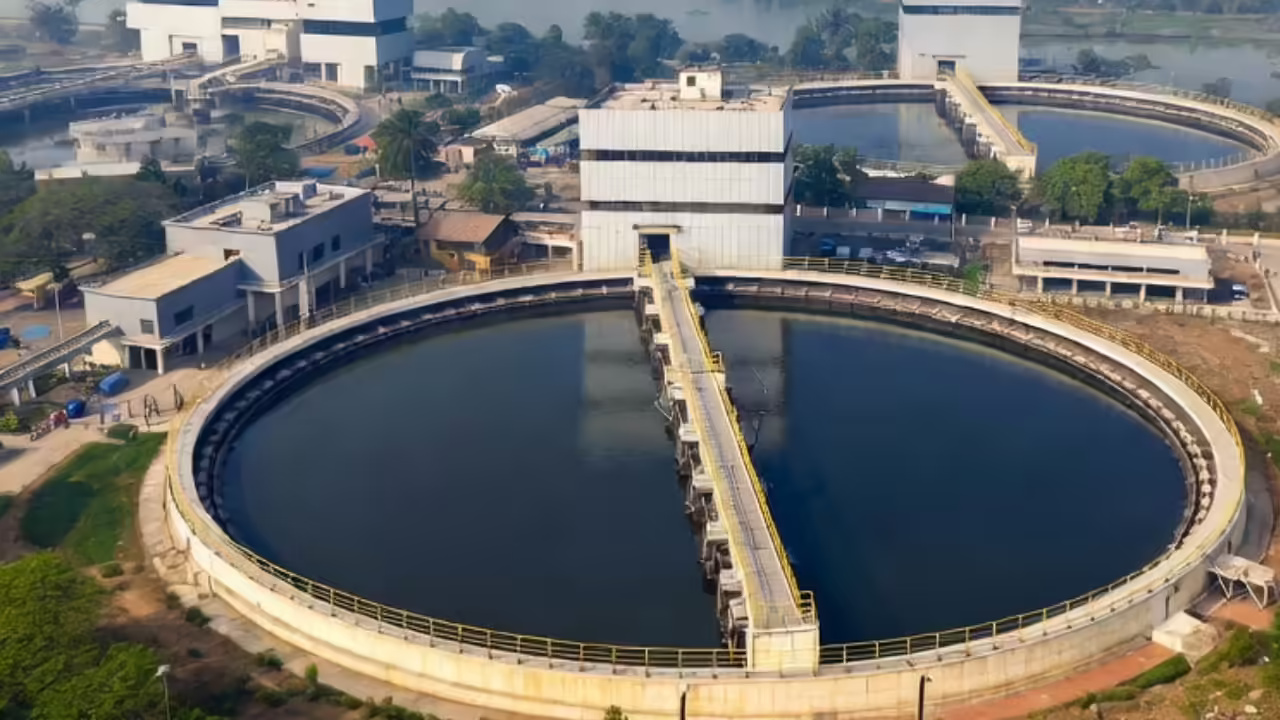
The proposed Mumbai water treatment plants are being developed as part of a wider transition away from older treatment facilities that have exceeded their intended operational lifespan. At Bhandup, the city is replacing one of its oldest treatment units commissioned more than four decades ago, a move aimed at improving reliability, treatment efficiency and long-term operational resilience. Bhandup already serves as the centrepiece of Mumbai’s water purification network and remains among the largest treatment complexes in Asia. The city currently depends on an extensive reservoir and transmission system supplying more than 4,000 million litres of potable water each day across residential, industrial and commercial zones. Urban planners note that modernising treatment capacity is becoming increasingly critical as Mumbai experiences sustained urban expansion and rising demand from new housing developments, commercial districts and infrastructure corridors. Water security has also emerged as a major concern in climate-sensitive coastal cities where rainfall variability and extreme weather events can disrupt supply systems. The new Mumbai water treatment plants are expected to incorporate advanced filtration and operational technologies designed to improve water quality management and reduce long-term maintenance risks.
Specialists involved in the sector say next-generation treatment systems can enhance efficiency while supporting better energy use, automation and monitoring standards. The Panjrapur facility near the Mumbai Metropolitan Region’s expanding peri-urban belt is also expected to strengthen regional supply reliability by supporting distribution across high-growth suburban areas. Analysts believe the project reflects a broader trend in Indian cities towards decentralised and scalable water infrastructure capable of handling future demographic growth. However, water governance experts caution that increasing treatment capacity alone may not resolve Mumbai’s long-term water challenges. Significant volumes of treated water continue to be lost through ageing pipelines, leakages and inefficient distribution systems. Environmental planners also stress the importance of watershed conservation, rainwater harvesting and wastewater recycling to reduce dependence on distant freshwater sources. The projects additionally underline the growing role of international engineering expertise in India’s urban infrastructure sector, particularly in areas such as water treatment, automation and environmental management.
Yet policy analysts argue that technology investments must be matched by transparent governance, equitable distribution and climate-adaptive planning to ensure reliable access across all sections of society. As Mumbai prepares for future population growth and climate pressures, the expansion of modern treatment infrastructure is expected to play a central role in strengthening the city’s long-term urban resilience and public health systems.