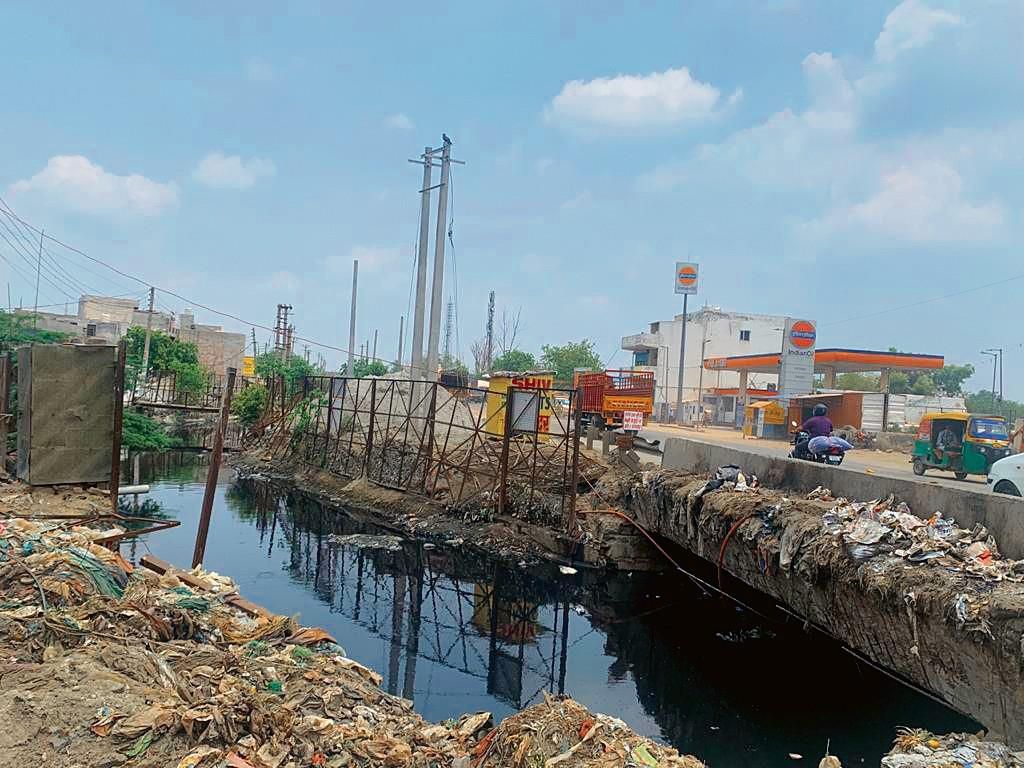
Faridabad Drainage Overhaul Focuses On Flood Hotspots
Faridabad is preparing to deploy a 360-degree sewer survey system to map its underground drainage network, a move aimed at reducing chronic waterlogging and sewer overflow during the monsoon. The initiative signals a shift from reactive maintenance to data-driven urban infrastructure management in one of NCR’s fastest-growing industrial cities. For years, even moderate rainfall has disrupted daily life across key transit and residential zones, exposing the limits of ageing drainage systems. With climate variability increasing the intensity of short-duration rainfall events, city planners are under pressure to modernise core infrastructure. The new survey method uses rotating cameras inserted into sewer lines to capture real-time internal conditions, allowing engineers to pinpoint structural damage, silt accumulation, and blockages with greater accuracy.
Urban planners say this approach could significantly improve efficiency. Traditionally, maintenance has relied on surface-level complaints or periodic inspections, often missing underlying issues until they escalate. By contrast, a 360-degree sewer survey creates a digital diagnostic record of pipelines, enabling targeted interventions rather than widespread excavation. This can reduce repair costs, minimise disruption, and extend the lifespan of existing assets. The project is part of a broader push to strengthen Faridabad’s drainage resilience, particularly in high-risk zones that experience repeated flooding. Areas with dense traffic and mixed land use have been prioritised, reflecting both economic and social considerations. Flooded roads not only inconvenience residents but also slow down goods movement and workforce mobility, affecting local productivity.
Experts highlight that such technology-led interventions are increasingly critical for Indian cities adapting to climate stress. As rainfall patterns become less predictable, the ability to quickly identify and resolve choke points in drainage systems becomes essential for urban resilience. Moreover, reducing sewage overflow has public health benefits, lowering exposure to contaminated water in densely populated neighbourhoods. Accountability mechanisms are also being tightened. Officials indicate that response timelines for complaints related to sewer blockages and overflow will be significantly reduced, with time-bound action expected to improve service delivery standards. This reflects a growing emphasis on citizen-centric governance, where infrastructure performance is measured not just by capacity but by responsiveness.
However, specialists caution that technology alone will not solve systemic challenges. Long-term success will depend on continuous monitoring, regular desilting, and integration with broader urban planning frameworks, including stormwater management and land-use controls. Without these, even advanced diagnostics may struggle to keep pace with rapid urban expansion. As Faridabad scales up its infrastructure upgrades, the effectiveness of this initiative could offer a template for other NCR cities grappling with similar drainage challenges. The coming monsoon season will serve as an early test of whether data-led interventions can translate into tangible relief on the ground.