


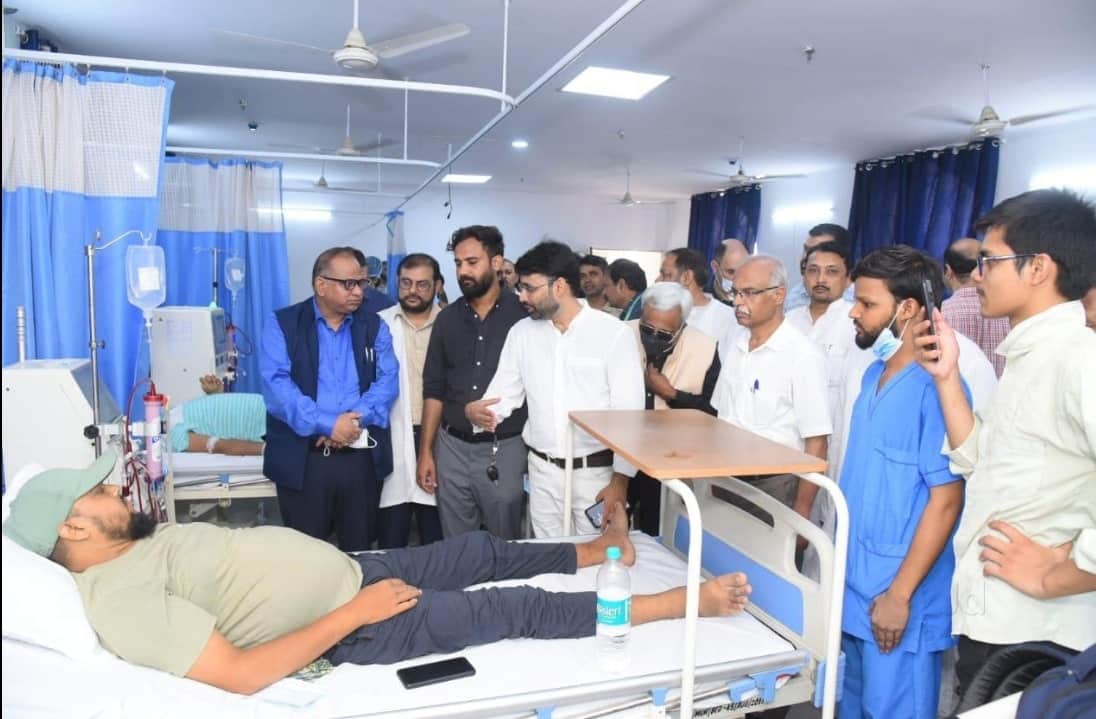
A new dialysis facility is set to be established in Chennai, aiming to improve access to critical treatment for patients with chronic kidney conditions. The initiative, supported through a collaboration between a civic organisation and a private healthcare provider, reflects a growing focus on expanding essential medical infrastructure within urban areas.
The upcoming centre is expected to ease pressure on existing hospitals by increasing treatment capacity, particularly for patients who require regular dialysis sessions.Healthcare experts note that the demand for such services has been steadily rising, driven by lifestyle-related illnesses and an ageing population. The expansion of facilities under the Chennai dialysis centre expansion initiative is therefore seen as a necessary step to bridge gaps in care availability.Access to dialysis remains a significant challenge for many patients, especially those from lower-income groups who depend on affordable or subsidised treatment options. By adding capacity within the city, the new centre could reduce travel time and waiting periods, improving both health outcomes and quality of life.Urban health planners emphasise that infrastructure like this plays a critical role in building resilient healthcare systems. As cities grow, the demand for specialised medical services increases, requiring a more distributed network of facilities. The Chennai dialysis centre expansion aligns with the need to decentralise healthcare access, ensuring that essential services are available closer to where people live.
There are also broader implications for public health management.Chronic diseases such as kidney disorders require long-term care, placing sustained pressure on healthcare systems.Expanding dialysis infrastructure can help manage this burden more effectively, reducing the strain on tertiary hospitals and improving service delivery across the network.From a social equity perspective, the initiative highlights the importance of inclusive healthcare. Ensuring that life-saving treatments are accessible to all segments of society is a key component of equitable urban development. Partnerships between non-profit organisations and private providers can play a role in addressing gaps that public systems alone may struggle to fill.However, experts caution that infrastructure expansion must be accompanied by trained personnel, consistent funding, and quality assurance mechanisms.Without these, the benefits of increased capacity may not fully translate into improved patient care.Monitoring and regulation will be essential to maintain standards and ensure affordability.The environmental footprint of healthcare facilities is also gaining attention.Incorporating energy-efficient systems, water management practices, and sustainable waste disposal methods can help align the Chennai dialysis centre expansion with broader climate goals.
As Chennai continues to strengthen its healthcare network, the addition of new dialysis capacity reflects an effort to respond to evolving medical needs. The focus will now shift to effective implementation, ensuring that the facility operates efficiently and serves the communities that need it most.The development points towards a more distributed and accessible healthcare system, where essential services are integrated into the urban fabric, supporting both public health and long-term city resilience.
Also Read:Chennai Blackbuck Population Rises On IIT Madras Campus
