


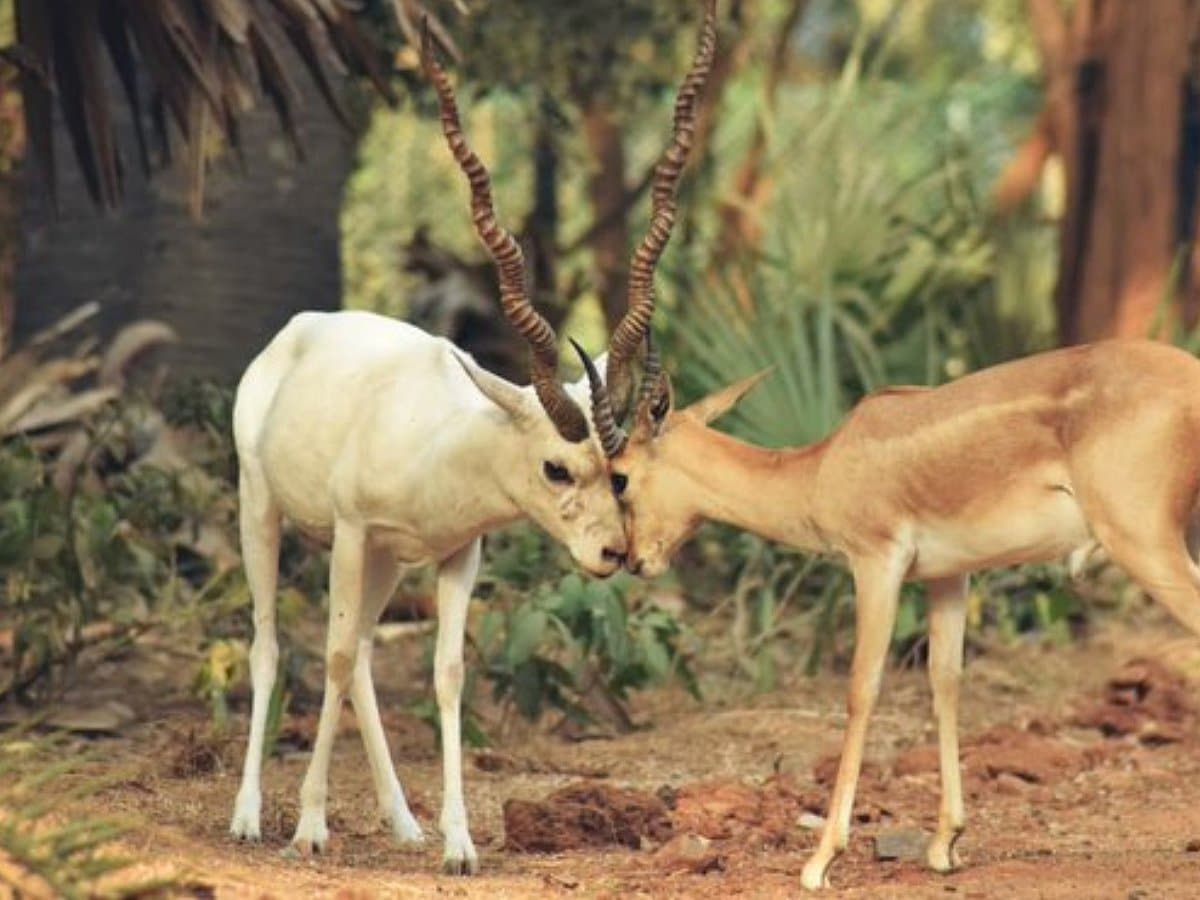
A steady increase in the population of Blackbuck within the campus of Indian Institute of Technology Madras in Chennai is drawing attention to the role of protected green spaces in supporting urban biodiversity.Over the past several years, the campus has emerged as a rare ecological enclave, demonstrating how wildlife can coexist within a dense metropolitan environment.
The growth in numbers reflects a relatively undisturbed habitat, where restricted access, controlled development, and sustained conservation efforts have created favourable conditions for species survival. Experts note that such environments are increasingly rare in expanding cities, where natural ecosystems are often fragmented or replaced by built infrastructure.Urban ecologists highlight that the presence of species like the blackbuck is a strong indicator of ecological health. These animals require open grasslands and minimal human disturbance, suggesting that parts of the campus have maintained a balance between development and conservation. The rise in Chennai blackbuck population underscores the importance of integrating biodiversity considerations into urban planning.The development also offers insights into how cities can preserve and even enhance natural ecosystems. Large institutional campuses, parks, and protected zones can function as biodiversity pockets, providing refuge for wildlife while contributing to environmental stability. Such spaces can help regulate temperature, improve air quality, and support groundwater recharge—benefits that extend beyond ecological value to urban liveability.
However, experts caution that sustaining the Chennai blackbuck population will require ongoing management. As the number of animals increases, issues such as habitat capacity, food availability, and potential human-wildlife interaction must be carefully monitored. Without proper planning, even well-preserved ecosystems can face stress from overpopulation or external pressures.The situation also highlights broader challenges in urban expansion. As cities grow, the pressure on land often leads to the reduction of green spaces, limiting opportunities for wildlife to thrive. The success seen within the campus contrasts with the decline of natural habitats in other parts of Chennai, raising questions about how similar conservation models can be replicated elsewhere.From a policy perspective, the case reinforces the need for integrating biodiversity into urban governance frameworks. Protecting existing green spaces, restoring degraded habitats, and promoting nature-based solutions can help cities build resilience against environmental challenges, including climate change.There are also educational and social dimensions. The presence of wildlife within an academic campus offers opportunities for research, awareness, and community engagement. It allows students and residents to experience biodiversity firsthand, fostering a deeper understanding of conservation issues.
As Chennai continues to urbanise, the rise in the Chennai blackbuck population serves as a reminder that ecological preservation and urban development need not be mutually exclusive. With thoughtful planning and sustained commitment, cities can create environments where both people and wildlife can coexist.The experience of this campus suggests a pathway for integrating green infrastructure into urban growth strategies, ensuring that biodiversity remains a central component of future city planning.
Also Read:Tamil Nadu School Admissions Target Increased By 30 Percent
