


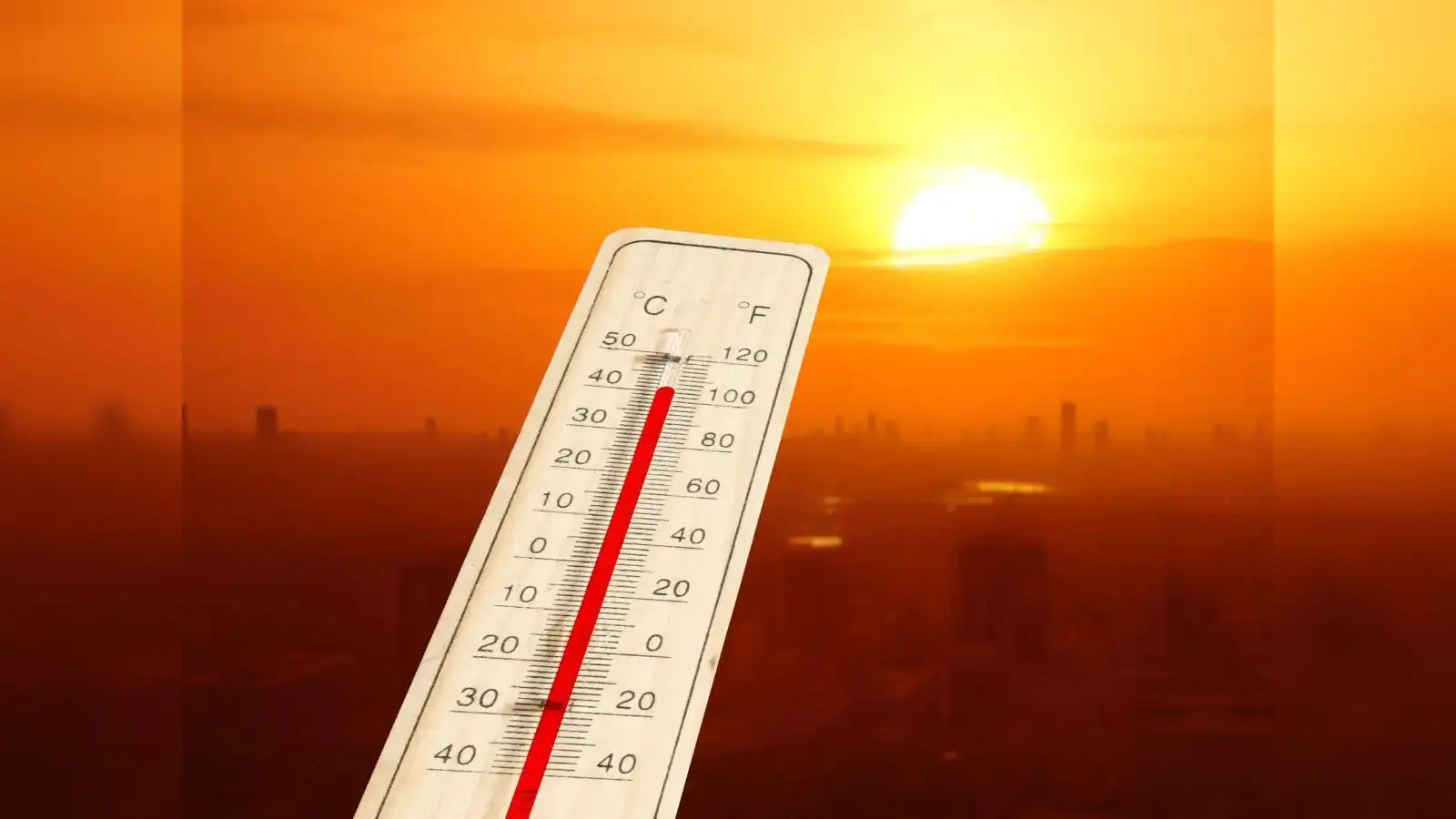
Rising temperatures in Chennai are beginning to take a wider toll on public health, with medical experts reporting an increase in heat-related complications affecting multiple organ systems. The ongoing Chennai heat health impact is extending beyond dehydration and fatigue, signalling a deeper strain on urban populations as extreme weather becomes more frequent.
Healthcare professionals across the city are observing a rise in cases linked to prolonged heat exposure, including eye irritation, kidney stress, and cardiovascular strain. Such conditions are often exacerbated by inadequate hydration, prolonged outdoor activity, and limited access to cooling environments. The growing Chennai heat health impact highlights how heatwaves are evolving into complex public health challenges rather than isolated seasonal events.Urban health specialists note that dense built environments can intensify these effects. The urban heat island phenomenon, where concrete surfaces retain heat, leads to higher ambient temperatures, particularly in areas with limited tree cover. This makes residents more vulnerable, especially in neighbourhoods lacking adequate ventilation or green spaces.The burden is not evenly distributed.Outdoor workers, the elderly, children, and individuals with pre-existing conditions face greater risks during periods of extreme heat. In many cases, informal sector workers continue to operate in high-temperature conditions without access to protective measures, increasing the likelihood of long-term health complications.The Chennai heat health impact also places additional pressure on healthcare infrastructure.
Hospitals and clinics may experience higher patient volumes, while the need for specialised care related to heat stress can strain resources. Public health experts emphasise the importance of preparedness, including ensuring adequate staffing, resources, and emergency response systems during peak heat periods.Preventive strategies are gaining importance in this context. Awareness campaigns encouraging hydration, reduced exposure during peak hours, and the use of protective measures can help mitigate risks. Access to shaded public spaces and cooling centres can also provide relief, particularly for vulnerable populations.From an urban planning perspective, the situation underscores the need for climate-responsive design. Increasing urban greenery, protecting water bodies, and promoting building materials that reflect heat can help reduce overall temperature levels. Integrating such measures into city planning is essential to address the root causes of the Chennai heat health impact.There are also economic implications to consider. Heat-related illnesses can lead to reduced productivity, increased healthcare costs, and financial strain on households. As extreme weather events become more frequent, these indirect costs are likely to rise, affecting both individuals and the broader urban economy.As Chennai continues to experience sustained high temperatures, the expanding scope of heat-related health issues signals a need for coordinated action across sectors.
Addressing the challenge will require a combination of public health interventions, infrastructure improvements, and environmental planning.The current conditions serve as a reminder that climate resilience is closely linked to human well-being. Strengthening systems to manage the Chennai heat health impact will be critical to ensuring that cities remain liveable in an era of rising temperatures.
Also Read:Chennai Suburban Heatwave Intensifies With Temperatures Above 40C
