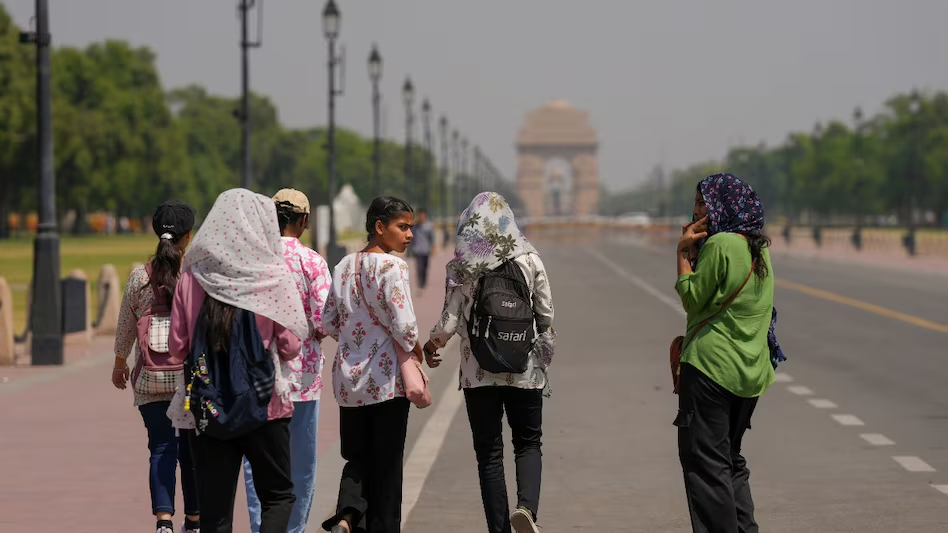
A sudden Delhi NCR weather shift brought relief to millions on Thursday as rain and hailstorms interrupted a prolonged spell of extreme heat, offering a temporary cooling effect across the capital region. The abrupt change, which unfolded mid-afternoon, underscores the increasing volatility of urban weather patterns and raises fresh questions about climate resilience in one of India’s most densely populated metropolitan regions.
Large parts of the National Capital Region experienced intense rainfall accompanied by hail, with temperatures dropping noticeably within hours. The cooling effect was immediately felt on the ground, as public spaces that had remained largely deserted due to heat stress saw a brief return of activity. For residents, the shift provided respite, but for urban planners, it signals a more complex challenge of managing unpredictable climate behaviour. Meteorological trends suggest that such fluctuations are not isolated incidents. According to official weather data, the early part of April recorded multiple days of rainfall, which helped moderate average temperatures. While heat levels did rise sharply in the second half of the month crossing the 40-degree threshold mid-April the overall monthly average remained lower than in previous years due to intermittent cloud cover and precipitation.
Urban climate experts indicate that the Delhi NCR weather shift reflects broader atmospheric instability linked to changing regional climate systems. Sudden transitions between heatwaves and storm activity can place additional pressure on city infrastructure, particularly drainage networks, electricity supply, and public transport systems. Short bursts of heavy rain, especially when accompanied by hail, often lead to waterlogging in low-lying areas, disrupting mobility and economic activity. From an economic standpoint, such weather variability has implications for productivity, especially in sectors dependent on outdoor labour. Construction, logistics, and informal retail key drivers of the urban economy are particularly vulnerable to abrupt weather changes. Industry observers note that inconsistent climate patterns can also affect energy demand cycles, with spikes in cooling needs followed by sudden drops, complicating load management for power utilities.
At a systemic level, the episode highlights the urgency of integrating climate-responsive planning into urban development frameworks. Experts emphasise the need for adaptive infrastructure, including improved stormwater management systems, heat-resilient building materials, and expanded green cover to mitigate both heat and flood risks. These measures are increasingly critical as cities like Delhi continue to expand under pressure from population growth and real estate demand. While the immediate relief from heat has been welcomed, the broader pattern points to a future where cities must prepare for sharper, less predictable weather swings. For policymakers and planners, the focus is shifting from short-term responses to long-term resilience strategies that prioritise citizen safety, environmental balance, and sustainable urban growth.