


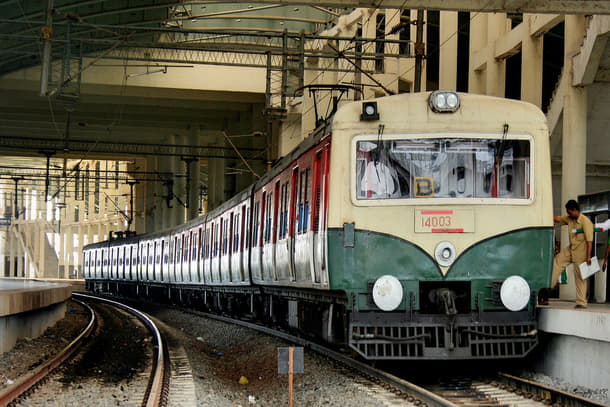
Plans to integrate suburban rail with the city’s expanding metro network in Chennai are nearing a decisive policy stage, signalling a potential shift towards a unified urban transit system. The proposed Chennai MRTS Metro integration aims to bring the Mass Rapid Transit System (MRTS) under a coordinated operational framework with the metro, improving connectivity and commuter experience across the metropolitan region.
The move is expected to address long-standing gaps in Chennai’s public transport ecosystem, where multiple rail systems currently operate with limited coordination. By aligning routes, ticketing, and scheduling, the Chennai MRTS Metro integration could enable smoother transfers and reduce travel times for daily commuters. Urban mobility experts view this as a critical step in building a seamless, multimodal transport network.One of the key advantages of integration lies in optimising existing infrastructure. Instead of expanding networks in isolation, cities can leverage underutilised corridors and stations to enhance capacity. In Chennai’s case, sections of the MRTS have historically faced lower ridership due to connectivity challenges.Integrating them with the metro could revitalise these assets and improve overall system efficiency.From a commuter perspective, the benefits could be substantial.Unified ticketing systems, better station access, and synchronised schedules can reduce the friction associated with switching between different modes of transport.This, in turn, may encourage greater adoption of public transit, helping to ease road congestion and lower emissions.
The Chennai MRTS Metro integration also carries broader urban implications. Efficient public transport systems are central to sustainable city growth, influencing land use, housing patterns, and economic activity.Improved connectivity can unlock development potential in peripheral areas, supporting more balanced urban expansion while reducing pressure on central districts.However, the transition is not without challenges. Integrating systems managed by different agencies requires institutional coordination, financial restructuring, and technical alignment. Issues such as asset ownership, maintenance responsibilities, and revenue sharing will need to be addressed to ensure smooth implementation.Environmental considerations further strengthen the case for integration. By making public transport more efficient and accessible, cities can reduce dependence on private vehicles, contributing to lower carbon emissions and improved air quality. This aligns with broader climate goals and the push for greener urban mobility solutions.Experts also emphasise the importance of last-mile connectivity. Even with integrated rail systems, access to stations remains a critical factor in determining usage.Strengthening feeder services, pedestrian infrastructure, and cycling networks will be essential to maximise the benefits of the integrated system.
As Chennai moves closer to finalising the Chennai MRTS Metro integration, the focus will shift to execution and user experience. If implemented effectively, the initiative could transform the city’s mobility landscape, setting a precedent for other Indian cities seeking to build cohesive and sustainable transit networks.
Also Read:Chennai CaaS Energy Solution Transforms Commercial Power Use
