


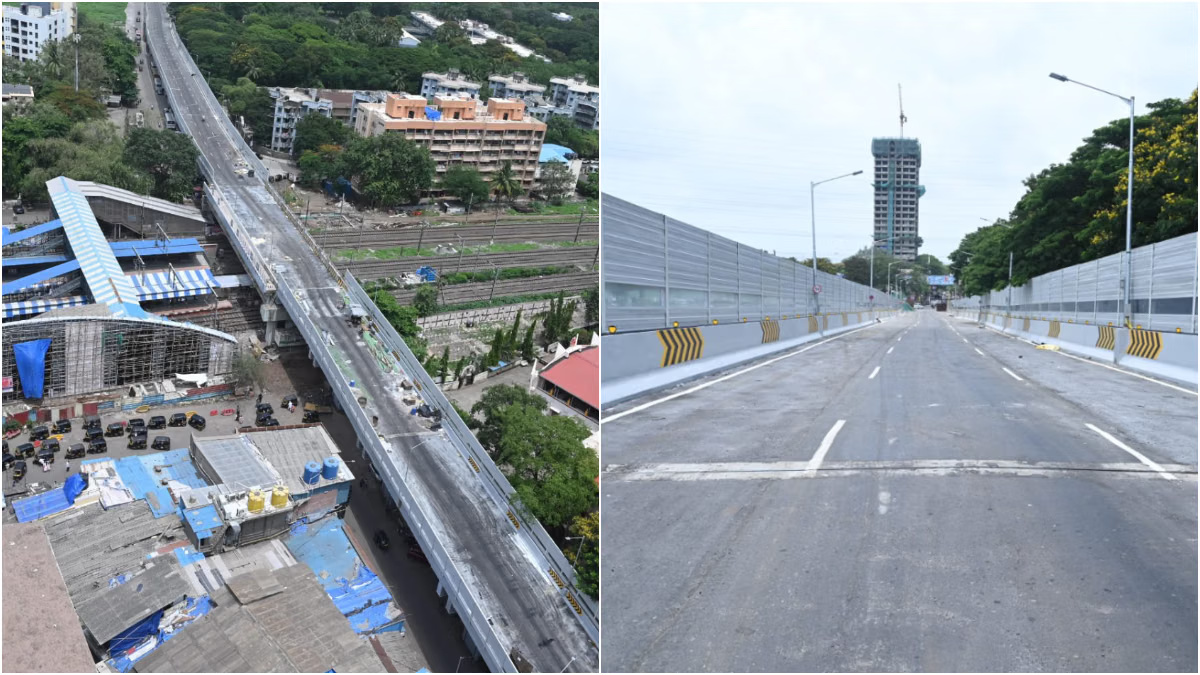
A key pedestrian connectivity project in Mumbai’s eastern corridor has been set back after authorities cancelled the bidding process, delaying plans to link a suburban railway station with an upcoming metro line. The decision to scrap the tender for the Vikhroli foot over bridge introduces fresh uncertainty for a project seen as critical to seamless multimodal transit in the city. The proposed structure, designed to connect Kanjurmarg railway station with the under-construction metro corridor, is intended to ease commuter movement across transport systems. With a planned length of over 700 metres and features such as moving walkways, elevators and surveillance systems, the bridge was positioned as a modern urban mobility solution catering to high passenger volumes.
However, officials overseeing the process indicated that the tender had to be withdrawn after eligibility-related discrepancies emerged during evaluation. Several bidders reportedly failed to meet mandatory documentation requirements, while others exited the process before financial assessments could be completed. Under prevailing procurement norms, the reduced level of competition necessitated cancellation and a fresh round of bidding. The setback highlights the complexities of infrastructure procurement in large urban projects, where compliance and transparency are critical but can also lead to delays. Urban policy analysts note that while strict adherence to tendering rules is essential to ensure fairness and prevent cartelisation, repeated cancellations can slow down the delivery of public infrastructure. The Mumbai Vikhroli FoB tender has gained attention not only for procedural issues but also for its strategic importance in integrating different modes of transport. The bridge is expected to play a vital role in connecting suburban rail services with metro networks, a priority for reducing congestion and encouraging public transport usage.
From a commuter perspective, delays in such linkages can translate into longer travel times and reduced convenience, particularly in densely populated areas where last-mile connectivity remains a challenge. Experts argue that pedestrian infrastructure often receives less attention compared to large transport projects, despite its critical role in ensuring accessibility and inclusivity. The project is also part of a broader effort to enhance transit-oriented development in Mumbai, where infrastructure investments are increasingly focused on improving connectivity between transport nodes. Efficient interchanges are seen as essential for maximising the benefits of metro expansion and reducing reliance on private vehicles. Authorities have indicated that a revised bidding process will be initiated, with the aim of attracting more competitive participation and ensuring compliance with technical and financial criteria. While the timeline for completion may shift, officials maintain that the delay will not directly affect the progress of the metro corridor itself.
As Mumbai continues to expand its transport network, the effectiveness of supporting infrastructure like pedestrian bridges will be crucial in determining overall system efficiency. The outcome of the re-tendering process will likely set a precedent for how similar projects are executed, balancing speed of delivery with governance standards and public accountability.
Also read : Maharashtra Urban Expansion Plan Targets Metro Growth
