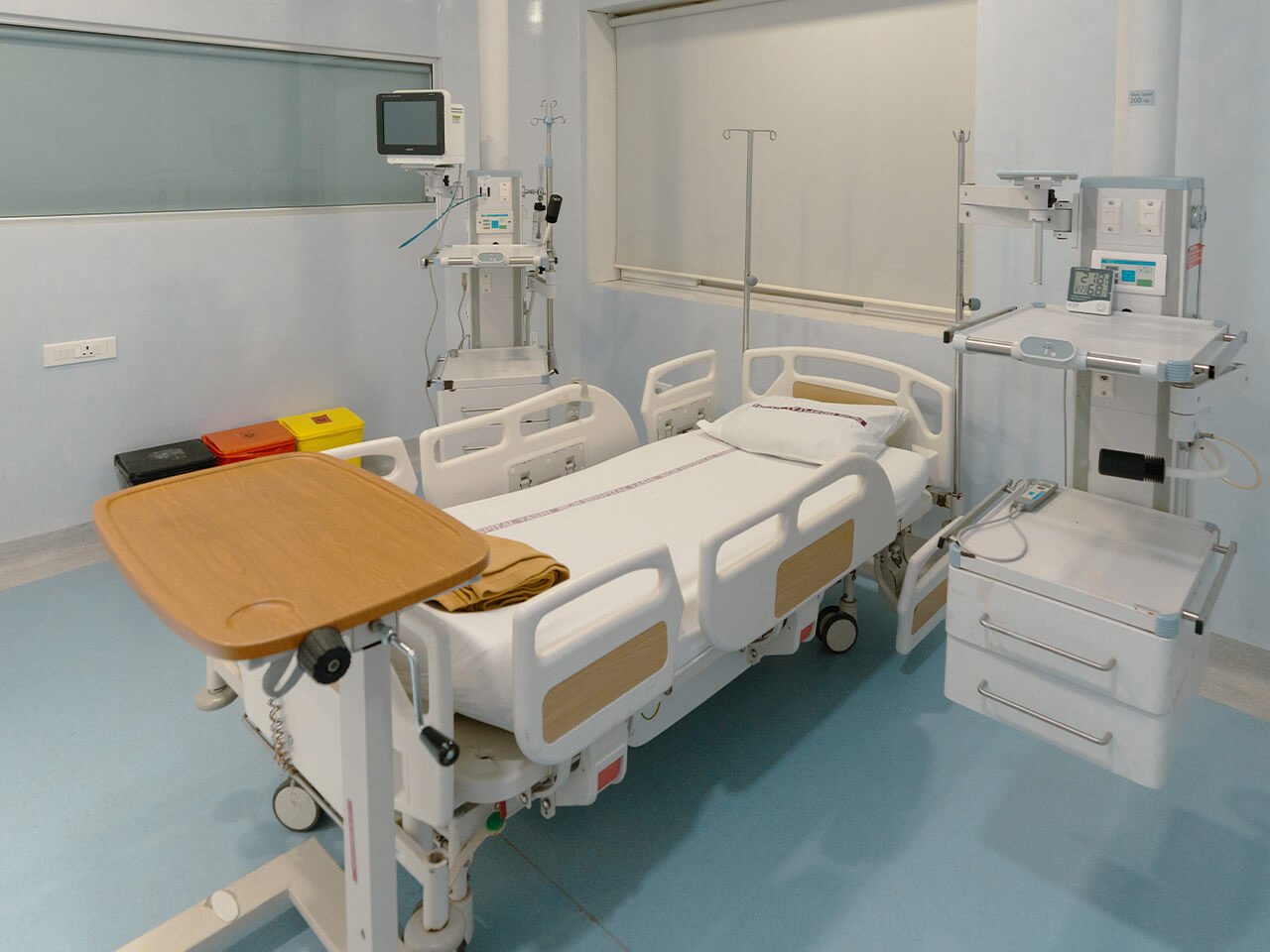
Navi Mumbai Public Healthcare Gets Major Infrastructure Boost
Navi Mumbai’s public healthcare network is set for a significant upgrade as the city administration moves to introduce advanced diagnostic and cardiac care infrastructure in civic hospitals, a step that could reshape access to affordable treatment across the fast-growing satellite city. The planned expansion focuses on equipping key facilities in Vashi and Airoli with high-end medical technologies, including MRI scanners and cardiac catheterization laboratories. These additions are expected to reduce dependence on private hospitals, where costs often limit access for lower- and middle-income households, and strengthen the role of public institutions in delivering specialized care.
Urban health experts say the initiative reflects a broader shift in how Indian cities are approaching healthcare infrastructure—not merely as a welfare function but as a critical component of equitable urban development. In rapidly expanding regions like Navi Mumbai, where population growth has outpaced social infrastructure, the absence of affordable advanced diagnostics has long created gaps in early detection and timely treatment. The Navi Mumbai civic hospitals upgrade is likely to address some of these imbalances by bringing high-cost services such as MRI scans and cardiac procedures into the public domain. Officials familiar with the plan indicate that pricing structures will be designed to remain accessible, particularly for economically weaker groups, while also easing pressure on tertiary hospitals in Mumbai. Beyond affordability, the move is expected to improve efficiency within the healthcare system. Patients often face delays due to referrals or long waiting times at private diagnostic centres.
Integrating these services within municipal hospitals could shorten treatment cycles, enabling faster diagnosis and intervention—an outcome that has both health and economic benefits for working populations. From an urban planning perspective, the initiative also signals a growing recognition that resilient cities require robust healthcare systems embedded within local communities. Access to nearby, well-equipped hospitals reduces travel demand, lowers indirect costs for families, and supports more inclusive city growth. In the context of climate-sensitive urban planning, decentralised healthcare infrastructure can also enhance preparedness during extreme weather events or public health emergencies. However, experts caution that infrastructure upgrades must be accompanied by investments in skilled personnel, maintenance systems, and operational transparency. Without these, even well-equipped facilities risk underutilisation. Ensuring consistent service quality, training medical staff, and maintaining equipment will be critical to the long-term success of the Navi Mumbai civic hospitals upgrade.
As implementation progresses, the initiative could serve as a model for other urban local bodies seeking to bridge healthcare gaps without over-reliance on private providers. For residents, the immediate impact will be measured in reduced costs and improved access, but the broader outcome lies in building a more inclusive and resilient urban health ecosystem.