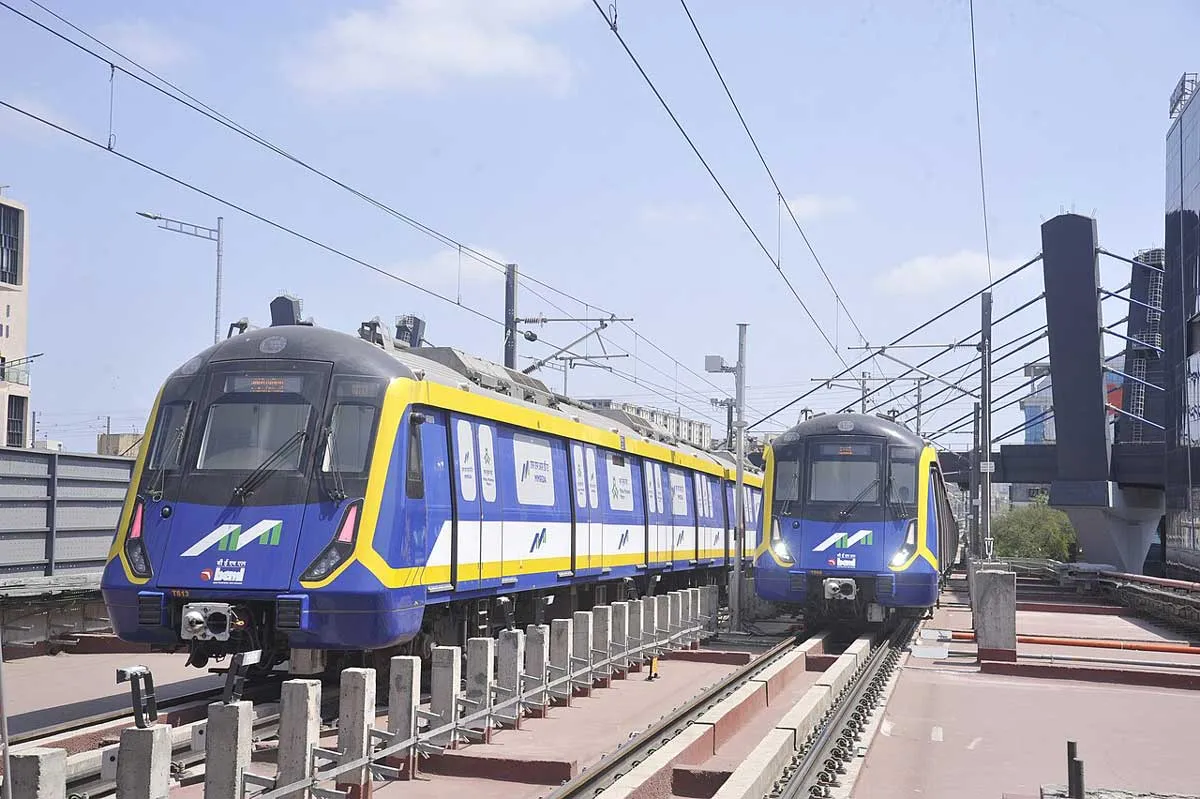
Mumbai Metro Line 5A To Boost Regional Connectivity
Mumbai’s suburban transit network is set for a significant expansion after state authorities cleared an extension to an under-construction metro corridor, aimed at strengthening connectivity across the Thane–Kalyan–Ulhasnagar region. The decision is expected to reshape commuting patterns in one of the fastest-growing belts within the metropolitan region, where population growth has outpaced transport infrastructure. The newly approved Mumbai Metro Line 5A will extend an existing corridor further east, addressing a critical gap created by earlier route revisions. Once completed, the combined network of the parent corridor and its extension will form a continuous transit spine linking multiple residential and industrial clusters. For daily commuters navigating long travel times and congested roadways, the project offers the promise of more predictable and efficient mobility.
Urban development experts note that the Mumbai Metro Line 5A project reflects a broader shift in infrastructure planning—from city-centric systems to region-wide connectivity. Areas such as Thane, Bhiwandi, Kalyan, and Ulhasnagar have witnessed rapid real estate growth, driven by relatively affordable housing and expanding economic activity. However, transport links have struggled to keep pace, leading to heavy reliance on overcrowded suburban rail and road networks. The corridor’s design incorporates a mix of elevated and underground sections, particularly in dense urban pockets where land constraints and disruption risks are high. One of the more distinctive features includes a stacked transport structure in certain stretches, combining road and metro infrastructure within a single alignment. This approach is increasingly being explored in space-constrained cities to optimise land use while accommodating multiple mobility needs. From an economic standpoint, improved connectivity is expected to influence property markets and commercial development across the region.
Enhanced transit access typically increases land values and encourages transit-oriented development, where residential and commercial spaces are built around mobility hubs. However, planners caution that such growth must be managed carefully to ensure it remains inclusive and does not displace existing communities. The Mumbai Metro Line 5A project has also faced implementation challenges in the past, including land acquisition and rehabilitation concerns. Industry observers suggest that timely execution will be critical, particularly as infrastructure delays can escalate costs and reduce projected benefits. The approved investment signals renewed momentum, but coordination across agencies will be key to maintaining progress. In environmental terms, expanding metro connectivity aligns with efforts to reduce dependence on private vehicles, thereby lowering emissions and improving air quality. For a region experiencing rising vehicular congestion, shifting commuters to mass transit systems is seen as essential for long-term sustainability.
As Mumbai’s urban footprint continues to expand beyond its core, projects like Mumbai Metro Line 5A highlight the growing importance of integrated regional planning. The success of this corridor will depend not only on construction timelines but also on how effectively it connects with existing transport systems and supports balanced urban growth.