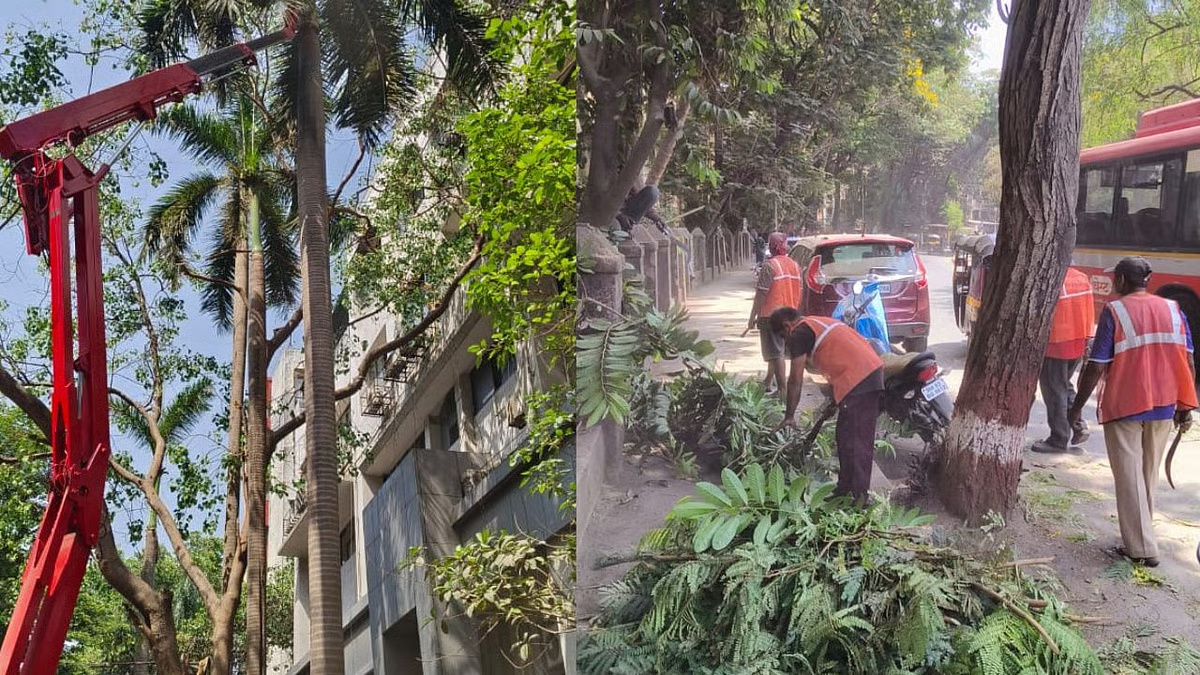
Mumbai’s civic administration has initiated a large-scale pre-monsoon tree management exercise, extending beyond public spaces to include thousands of trees within private premises. The move comes as part of a broader effort to reduce weather-related risks in a city where ageing tree stock and intense seasonal winds often lead to disruptions and safety hazards. Notices have been issued to property owners across the city, directing them to undertake necessary trimming of identified trees. Officials indicate that nearly 8,000 trees located within private compounds have been marked for intervention, placing responsibility on individual owners to ensure compliance. This approach reflects an attempt to decentralise urban risk management while maintaining oversight through municipal guidelines.
The Mumbai tree pruning drive is part of a wider programme that has already covered tens of thousands of trees on public land. Authorities report steady progress, though a significant portion of the identified tree stock still requires attention before the onset of heavy rains. With monsoon conditions known to weaken branches and destabilise root systems, timely pruning is seen as critical to preventing damage to property and ensuring pedestrian safety. Urban forestry experts note that Mumbai’s dense built environment complicates tree maintenance. Limited soil space, pollution exposure, and unregulated construction activity can affect tree health, making regular assessment essential. At the same time, indiscriminate cutting or excessive pruning can undermine the ecological value of urban greenery, which plays a key role in temperature regulation, air quality improvement, and stormwater absorption. The current Mumbai tree pruning exercise is also linked to a broader effort to update tree data across the city. The last comprehensive survey was conducted several years ago, and officials are now working towards more accurate enumeration using improved techniques. Training programmes have been conducted to familiarise staff with scientific pruning practices and digital tools, including aerial mapping technologies, to enhance data collection and monitoring.
For urban planners, the initiative highlights a growing recognition that tree management must be integrated into infrastructure planning rather than treated as a seasonal activity. As cities like Mumbai face increasing climate variability, maintaining a healthy and resilient urban canopy becomes essential not just for aesthetics but for mitigating heat stress and reducing flood risk. However, the extension of responsibility to private property owners raises questions around enforcement and equity. While gated communities and institutional campuses may have the resources to comply, smaller residential societies and informal settlements may struggle with the costs and technical expertise required. Experts suggest that support mechanisms, including advisory services and subsidised interventions, could help bridge this gap. From a governance perspective, the Mumbai tree pruning drive reflects a shift towards more structured urban environmental management. The effectiveness of this approach will depend on consistent monitoring, transparent data sharing, and coordination between civic agencies and citizens.
As the monsoon approaches, the city’s ability to balance safety with ecological preservation will be closely watched. Strengthening urban green infrastructure, while ensuring public safety, remains a critical challenge for Mumbai’s long-term resilience strategy.