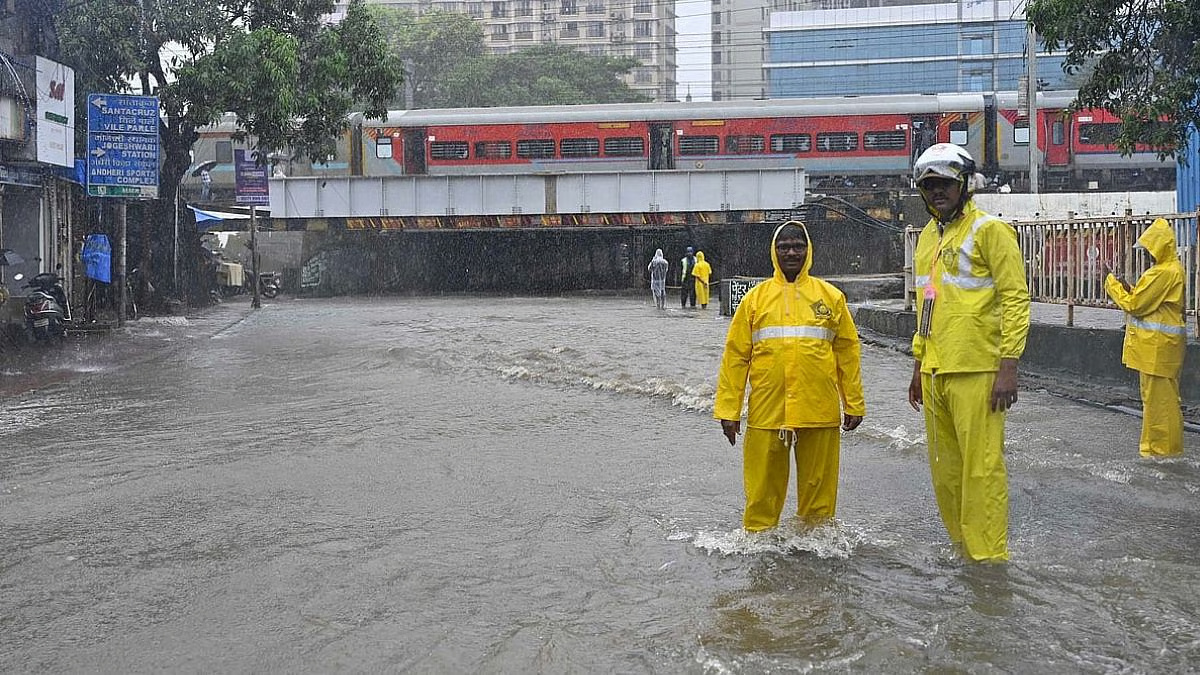
Mumbai Andheri Subway Flooding Risks Persist This Monsoon
Mumbai’s long-standing struggle with recurrent flooding at a key suburban road underpass is set to continue into the upcoming monsoon, underscoring persistent gaps in urban drainage planning and climate resilience. Authorities are now exploring an alternative engineering solution to address the chronic Andheri subway flooding, with implementation unlikely before next year. The east–west connector near Andheri railway station plays a crucial role in linking neighbourhoods across the western suburbs. Yet, its repeated closure during heavy rains has turned it into a symbol of infrastructure vulnerability. Data from recent monsoon seasons indicates the route has been shut dozens of times each year due to water accumulation, disrupting traffic flow, emergency access, and local economic activity.
Civic engineers are evaluating two broad interventions: reconfiguring existing drainage lines or developing a water retention system, commonly referred to as a holding pond. Early assessments suggest that modifying the drainage network may prove technically complex due to sharp channel turns and limited capacity, which can slow water flow and lead to blockages. As a result, a holding pond—designed to temporarily store excess rainwater and release it gradually—has emerged as a more viable option to mitigate Andheri subway flooding. Urban infrastructure specialists point out that such retention systems have shown measurable success in other flood-prone zones of Mumbai by reducing peak water levels during intense rainfall. However, their effectiveness depends on precise integration with pumping infrastructure and downstream outfalls. Without this, stored water risks becoming another bottleneck rather than a solution. The limitations of previous proposals highlight the scale of the challenge. An earlier plan to expand drainage capacity was shelved after cost-benefit evaluations suggested limited gains relative to investment.
Even with upgrades, the system would have handled only moderate rainfall increases, leaving it vulnerable to extreme weather events that are becoming more frequent due to climate change. Topography further complicates the issue. The underpass sits in a low-lying basin where surrounding roads slope inward, funnelling rainwater into the structure at high speed. Compounding this is the proximity of a nearby stormwater channel, which can overflow during peak flows, adding to inundation risks. Urban planners describe such locations as “hydrological traps,” where conventional drainage solutions often fall short without large-scale redesign. Solid waste mismanagement also continues to aggravate the situation. Debris entering drains reduces carrying capacity and accelerates overflow during storms, pointing to the need for behavioural and enforcement measures alongside engineering fixes. As Mumbai confronts intensifying rainfall patterns, the Andheri case reflects a broader urban challenge—how to retrofit ageing infrastructure for a changing climate while balancing costs and feasibility.
The proposed intervention is expected to move into planning finalisation in the coming months, with construction timelines extending beyond the current monsoon cycle. For now, commuters and residents may need to brace for continued disruptions, even as the city works towards longer-term, climate-adaptive solutions that align transport reliability with sustainable urban design. Also read : Mumbai Rail Tracks Face Monsoon Flood Risks
Mumbai Andheri Subway Flooding Risks Persist This Monsoon