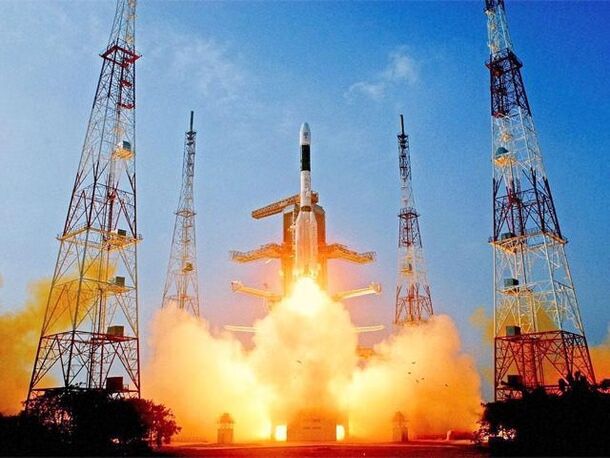
India Space Infrastructure Gains Strategic Urgency
India’s evolving security landscape is increasingly shifting beyond terrestrial boundaries, with defence experts calling for accelerated investment in space infrastructure to safeguard national interests. The push comes amid growing reliance on satellite-based systems for communication, surveillance, and coordinated military operations—capabilities now seen as critical to both defence preparedness and civilian resilience.
A senior Indian Air Force official recently emphasised the need to strengthen indigenous space-based infrastructure, highlighting its role in enabling secure communication and strategic coordination during defence operations. According to available information, satellite networks have already played a decisive role in supporting high-risk missions, underlining their importance as a backbone of modern security architecture. The call for expanding India space infrastructure aligns with broader national efforts to reduce dependency on external systems and build sovereign capabilities. This includes advancements in communication satellites, navigation systems, and real-time data networks that can operate independently during crises. As geopolitical competition extends into orbital domains, countries are increasingly treating space as a strategic frontier rather than a purely scientific pursuit. Urban and infrastructure experts note that the implications of this shift extend well beyond defence. Space-based systems underpin essential urban services—from disaster management and climate monitoring to telecommunications and transport navigation.
Strengthening India space infrastructure could therefore enhance the resilience of cities facing climate risks, including floods, heatwaves, and extreme weather events. The discussion also intersects with India’s ambitions in human spaceflight, particularly the upcoming Indian Space Research Organisation programme Gaganyaan. Human missions demand far more complex systems than satellite launches, including life-support technologies, crew safety mechanisms, and advanced ground infrastructure. Experts suggest that investments in such capabilities could have spillover benefits for civilian industries, innovation ecosystems, and high-tech manufacturing. However, building robust space infrastructure presents challenges. These include high capital costs, long development timelines, and the need for specialised skills. There are also concerns around space debris, orbital congestion, and the environmental footprint of increased launches. As India expands its presence in space, balancing strategic ambitions with sustainability considerations will become increasingly important. From a policy perspective, the growing emphasis on space security may accelerate collaboration between defence agencies, civilian institutions, and private sector players. India’s emerging space economy—already attracting startups and investment—could play a significant role in developing cost-effective, scalable solutions for both defence and urban applications.
As cities become more data-driven and interconnected, the role of space-based infrastructure is likely to deepen. The current push signals a transition where national security, urban resilience, and technological self-reliance are increasingly intertwined. The effectiveness of this approach will depend on how well India integrates space infrastructure into its broader development and sustainability strategies, ensuring that strategic expansion also supports inclusive and climate-resilient growth.