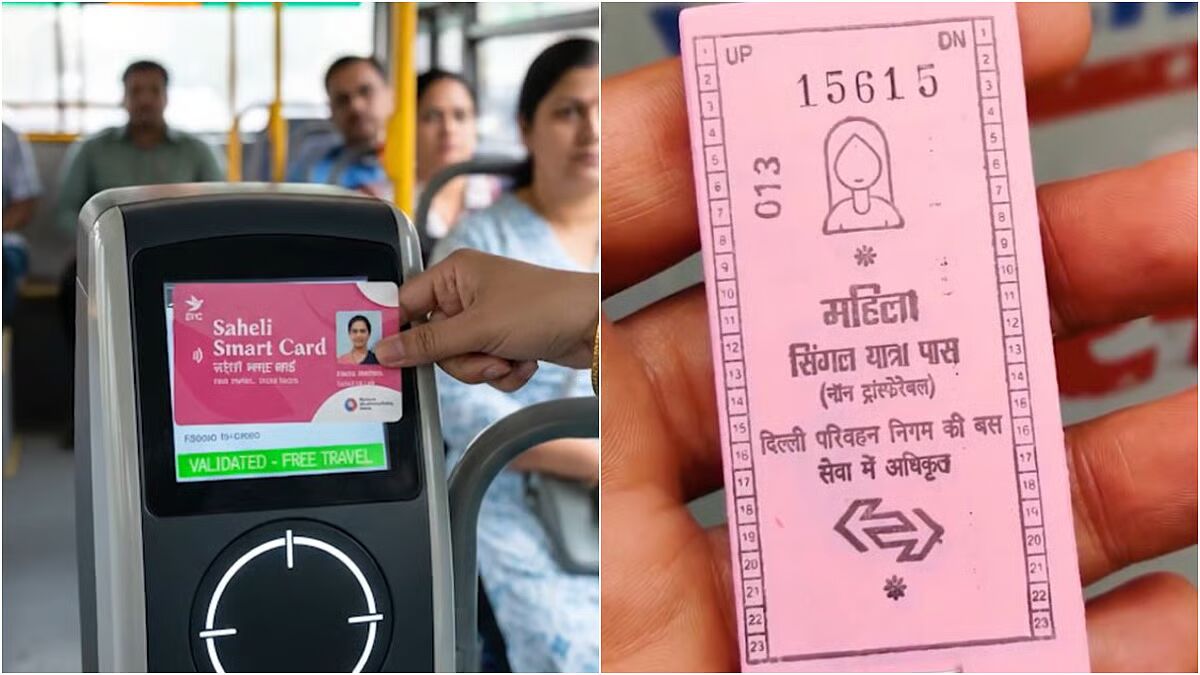
Delhi is preparing to overhaul how welfare reaches its construction workforce by introducing a digital identity system and a unified cess management platform, a move that could reshape labour governance in one of India’s most infrastructure-intensive urban regions. The initiative aims to address long-standing inefficiencies in worker registration and benefit delivery while improving financial transparency in the sector.
At the centre of the reform is a plan to issue chip-enabled smart cards to registered construction workers, creating a portable, secure identity linked to welfare entitlements. Officials indicate that the system is being developed under the Delhi Building and Other Construction Workers Welfare Board, which is responsible for administering social security schemes funded through a construction cess. The proposed digital ecosystem will also include a dedicated portal to streamline cess collection from builders and contractors. This levy—typically set at one per cent of project costs—forms the backbone of welfare funding for workers, supporting benefits such as healthcare, pensions, and education assistance. By digitising this process, authorities aim to track funds more efficiently from assessment to utilisation, reducing leakages and improving accountability. For a workforce that is largely migrant and mobile, the introduction of smart cards could significantly reduce bureaucratic friction. Workers frequently shift across districts and states, often losing access to benefits due to fragmented registration systems. A unified digital identity is expected to ensure continuity of entitlements, eliminating the need for repeated enrolment and lowering the risk of exclusion.
However, the reform also highlights deeper structural challenges in urban labour management. Previous audits have pointed to gaps in data accuracy, duplication of registrations, and underutilisation of welfare funds—issues that have limited the impact of existing schemes. The new system’s success will depend not only on technology deployment but also on effective implementation, worker awareness, and institutional capacity to maintain updated, verified records. Urban development experts note that as construction activity accelerates across Delhi and the wider NCR, the demand for a more formalised and transparent labour ecosystem is becoming urgent. Construction workers remain central to city-building but often operate at the margins of policy frameworks. Integrating them into digital governance systems could improve not just welfare delivery but also safety compliance, skill mapping, and workforce planning. The initiative also raises broader questions around equitable urbanisation. While infrastructure expansion continues to drive economic growth, ensuring that the labour powering this growth receives adequate social protection remains a critical gap.
Digital tools, if implemented inclusively, could bridge this divide—but they must be accompanied by on-ground facilitation centres and grievance mechanisms to remain accessible to workers with limited digital literacy. As Delhi advances this transition, the focus will likely shift to execution—ensuring that technological efficiency translates into real-world benefits. For a city grappling with rapid construction and evolving labour dynamics, the effectiveness of this system may set a precedent for how urban India manages its informal workforce in a more accountable and sustainable manner.