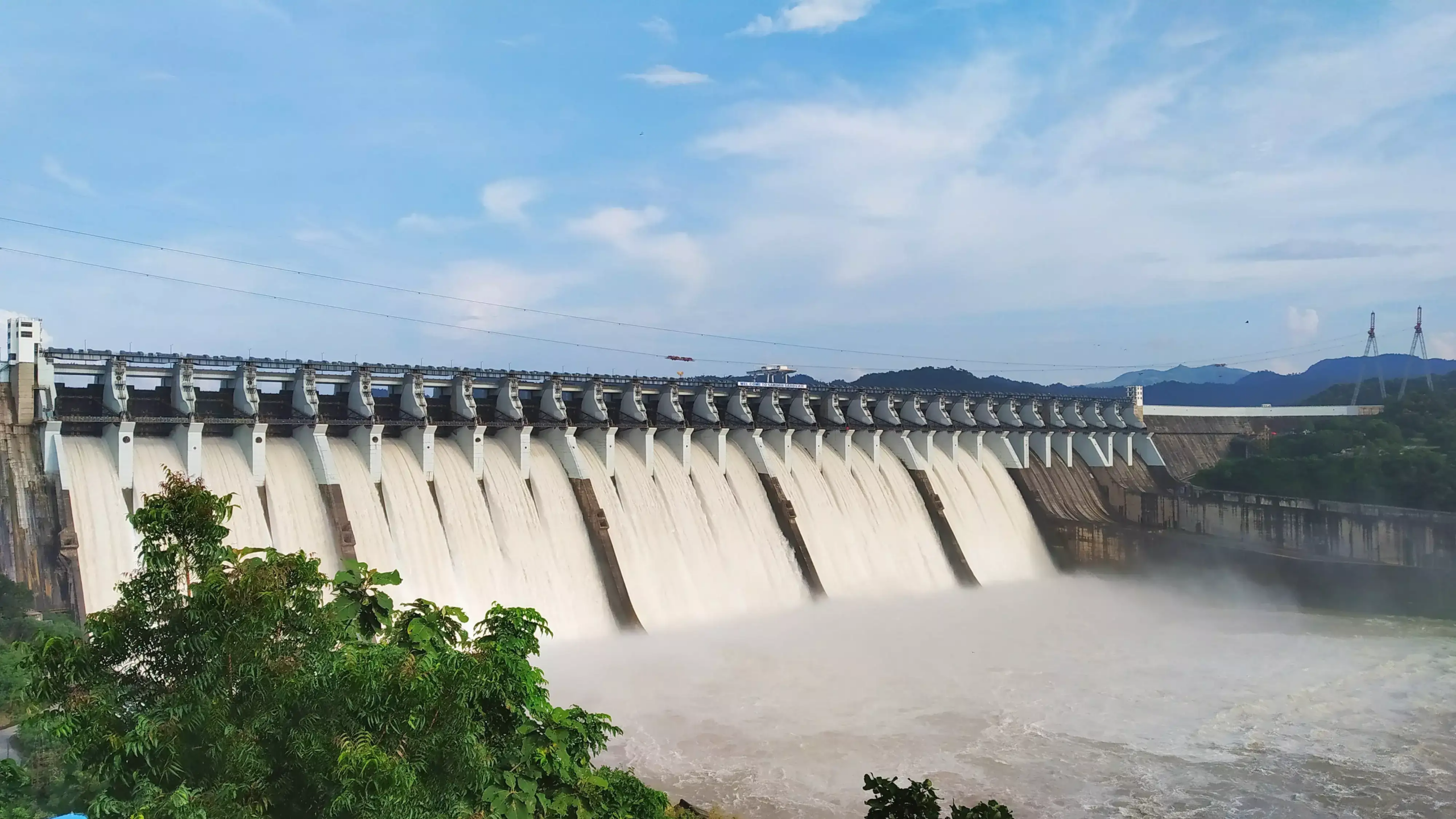
Maharashtra Gosikhurd Tourism Project Moves To Next Phase
Maharashtra has stepped up efforts to advance its reservoir-based tourism strategy, with authorities pushing for faster execution of the Gosikhurd tourism project in Bhandara district. The directive to expedite Phase I reflects a broader attempt to diversify regional economies by leveraging existing water infrastructure for recreation, while also improving connectivity in less urbanised parts of the state. At the centre of the current phase is the development of core facilities around the Gosikhurd reservoir, including a jetty intended to anchor boating and visitor activities. Officials indicate that completing such basic infrastructure is essential before scaling the project into a larger tourism ecosystem. The dam, originally built for irrigation, is now being repositioned as a multi-use asset with potential to generate local employment and attract visitors.
The push to accelerate the Gosikhurd tourism project also highlights the growing trend of integrating tourism with infrastructure assets across India. Reservoirs and waterfronts are increasingly being seen as opportunities for economic development, particularly in districts that lack traditional tourism appeal. However, urban planners caution that such projects must be designed with ecological sensitivity, ensuring that recreational use does not compromise water quality, biodiversity or local livelihoods. Alongside construction progress, officials have been asked to begin groundwork for the next phase without waiting for the completion of ongoing works. This parallel planning approach is intended to reduce delays and create continuity in project execution. Experts note that early-stage planning for subsequent phases can help align land use, transport access and environmental safeguards more effectively. The initiative also intersects with regional mobility planning. During project discussions, the need to strengthen public transport links to Bhandara and surrounding areas was raised. Improved connectivity, particularly through rail-based systems, is seen as critical to ensuring that tourism development remains accessible and inclusive rather than car-dependent.
Better transport access could also support local businesses and reduce the carbon footprint associated with increased visitor traffic. From an economic perspective, the Gosikhurd tourism project has the potential to stimulate small-scale enterprises, including hospitality, transport services and local crafts. For districts in eastern Maharashtra, such diversification can provide an alternative to agriculture-dependent income streams. However, analysts emphasise that long-term success will depend on consistent maintenance, community participation and demand generation. Coordination between multiple government departments remains a key challenge. Projects of this nature often require alignment between tourism, water resources and urban development agencies, making governance efficiency critical to timely delivery. Ensuring that these systems work in tandem will determine whether the project achieves its intended impact.
As Maharashtra looks to expand its tourism footprint beyond established destinations, the progress of Gosikhurd will be closely watched. The next steps will involve balancing speed with sustainability, ensuring that infrastructure development translates into durable economic and social benefits for the region.