


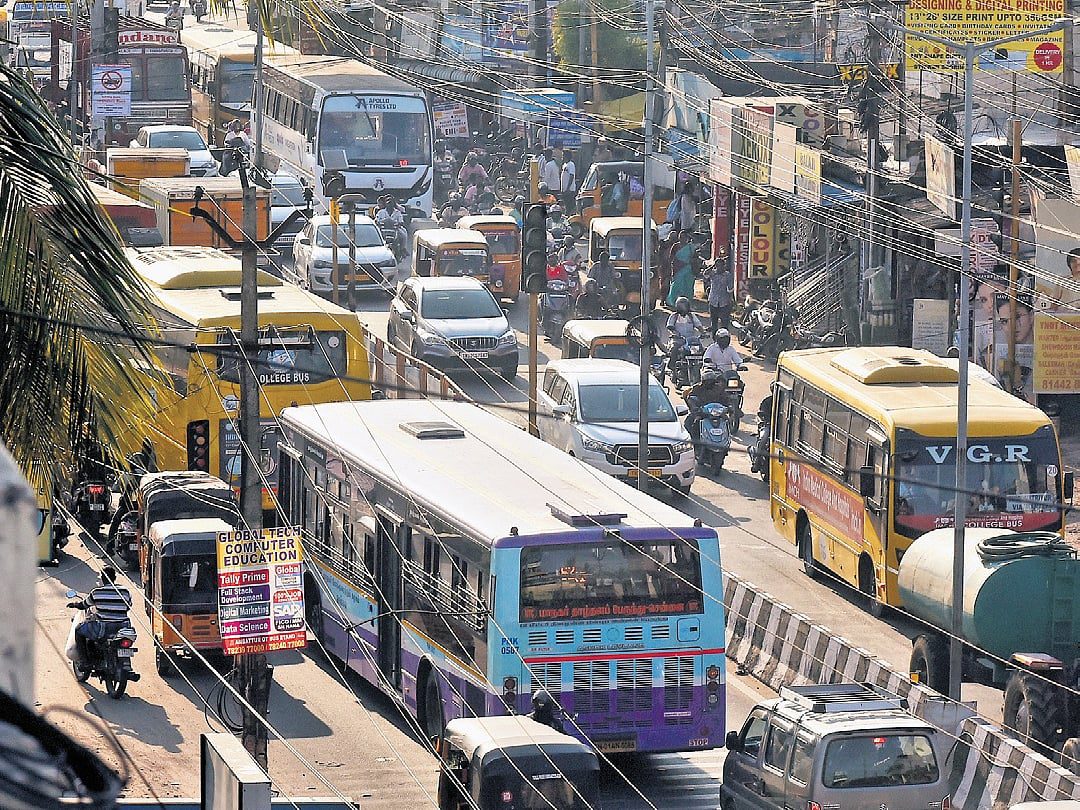
Concerns over transport availability and administrative conduct during the election period have surfaced in Chennai, drawing attention to the critical role of mobility systems in ensuring equitable civic participation. The issue highlights how gaps in urban transport planning can affect access to polling infrastructure, particularly for voters reliant on public or shared mobility.
Stakeholders have raised questions about the adequacy of transport arrangements on polling days, pointing to shortages that may have limited movement across parts of the city. In a metropolitan region with diverse commuting needs, ensuring reliable connectivity is essential to facilitate smooth voter turnout and minimise disruptions.Urban planners note that the Chennai election transport shortage reflects broader systemic challenges in aligning city infrastructure with large-scale civic events. Elections require coordinated planning across transport, security, and administrative agencies, with mobility playing a central role in enabling participation.The impact is particularly significant for vulnerable groups, including elderly citizens, persons with disabilities, and those living in peripheral areas with limited transport options. Without adequate connectivity, these groups may face barriers in accessing polling stations, raising concerns about inclusivity.From an infrastructure perspective, the situation underscores the need for contingency planning. Temporary augmentation of transport services, clear route management, and coordination with local operators can help address demand spikes during major events.
Experts suggest that such measures should be integrated into standard election preparedness frameworks.The Chennai election transport shortage also highlights the importance of governance and accountability. Transparent communication, timely response to complaints, and effective oversight are essential to maintaining public trust in both civic and electoral processes.There are economic and operational dimensions as well. Disruptions in transport systems can affect daily activities beyond voting, including work commutes and local business operations. Ensuring continuity of movement is therefore important for both civic and economic stability.Urban policy experts emphasise that mobility planning must evolve to address dynamic urban needs. Leveraging data, technology, and real-time monitoring can improve service allocation and responsiveness during peak demand periods.The issue also ties into broader sustainability goals. Strengthening public transport systems and reducing dependence on informal or ad hoc arrangements can lead to more efficient and environmentally responsible mobility solutions.
As Chennai continues to grow, the ability to manage transport effectively during high-demand events will be a key indicator of urban resilience. Addressing the gaps highlighted during the election period will require coordinated action, improved planning, and a focus on inclusive access to ensure that civic participation is not constrained by mobility limitations.
Also Read:Chennai Water Tariff Rollback Highlights Governance Challenges
