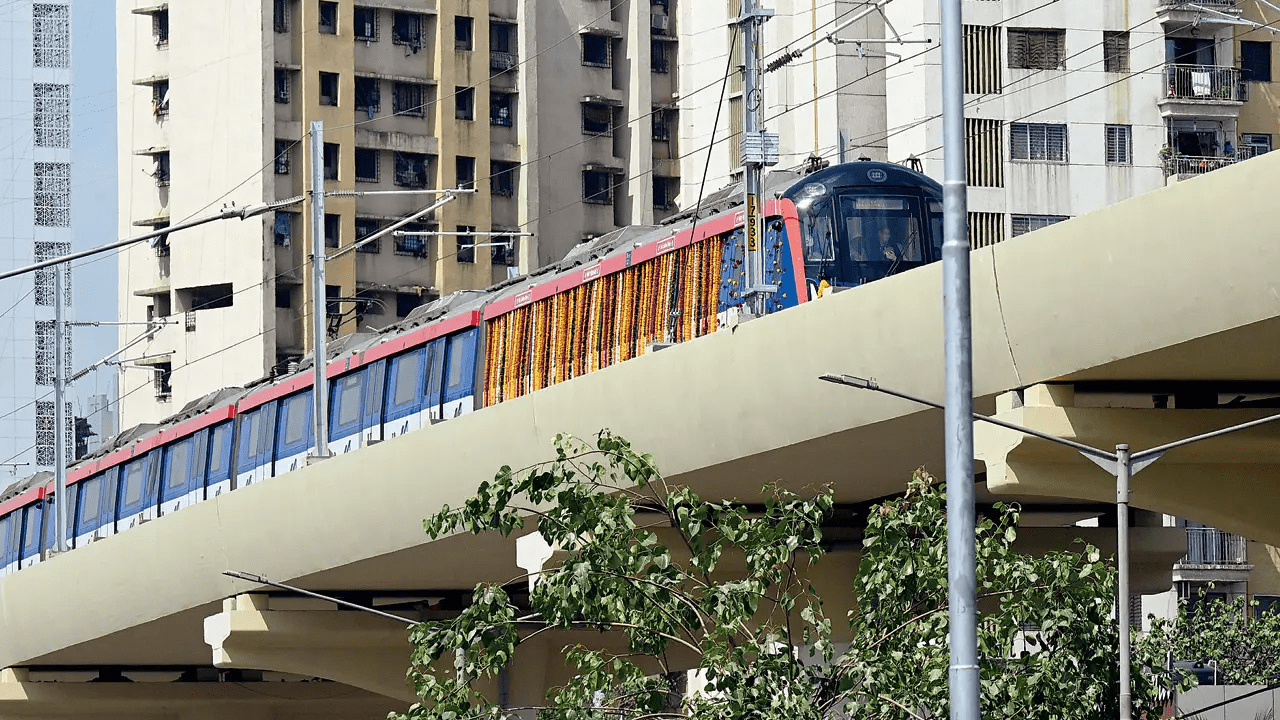
Nagpur’s urban transport landscape is entering a new phase as work on the second phase of its metro network gathers pace, signalling a broader shift toward structured, high-capacity mobility systems in the city. The expansion is expected to extend metro connectivity to additional residential and commercial zones, addressing long-standing gaps in public transport access. As Nagpur continues to grow, both geographically and economically, the need for reliable and efficient transit systems has become increasingly urgent. The metro’s second phase aims to respond to this demand by offering faster, more predictable travel options across key corridors.
Urban planners suggest that Phase 2 could play a crucial role in reducing congestion on arterial roads, where traffic volumes have steadily increased over the past decade. By providing an alternative to private vehicles, the metro system has the potential to ease pressure on road infrastructure while improving commute times for daily travellers. Officials involved in the project indicate that the expansion is being aligned with broader mobility planning, including integration with feeder services such as buses and intermediate public transport. Such multimodal connectivity is essential for ensuring that metro systems are accessible beyond station areas, particularly in cities where last-mile connectivity remains a challenge. From an economic perspective, improved transit infrastructure often triggers development along metro corridors. Experts note that transit-oriented development can reshape land use patterns, encouraging higher-density, mixed-use development near stations. This can support more efficient urban growth while reducing travel distances and associated emissions. The environmental implications are equally significant. Expanding metro networks contributes to lower carbon emissions by shifting commuters from road-based transport to electric rail systems. For Nagpur, which has been positioning itself as a smart and sustainable city, the metro expansion aligns with broader goals of climate-responsive urban planning. However, challenges remain in ensuring that the benefits of the metro are widely accessible. Pricing, connectivity, and safety will play key roles in determining ridership levels. Without inclusive planning, there is a risk that high-capacity systems may not fully serve lower-income groups or peripheral areas. Infrastructure experts also highlight the importance of maintaining project timelines and cost efficiency. Delays or cost overruns can impact public trust and strain municipal finances, particularly in large-scale urban transport projects.
As construction progresses, the focus will gradually shift toward operational readiness and user experience. For Nagpur, the advancement of Metro Phase 2 represents more than an infrastructure upgrade—it reflects a transition toward a more organised, sustainable, and inclusive urban mobility framework. The coming years will determine how effectively this expansion translates into everyday benefits for citizens, shaping the city’s trajectory as it balances growth with livability and environmental responsibility.