


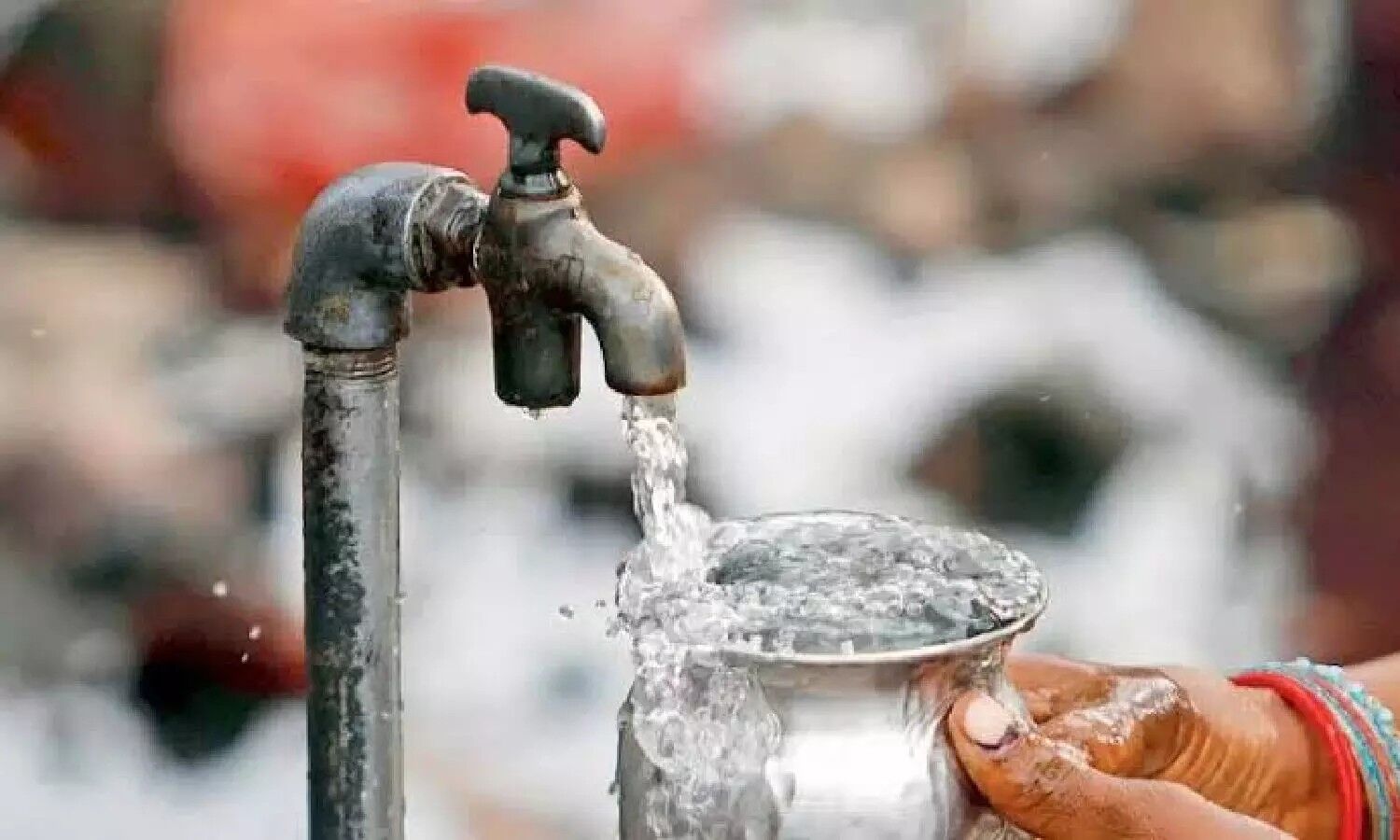
Nagpur has initiated a pilot project introducing water ATMs across select locations, aiming to improve access to safe and affordable drinking water while addressing gaps in urban water distribution systems. The initiative, led by the municipal administration, is designed to provide purified water through automated dispensing units, allowing residents to access potable water at low cost. The model is particularly targeted at areas where consistent piped supply remains unreliable or insufficient, offering an alternative source for daily consumption. Urban water experts note that such decentralised systems are gaining traction in Indian cities as interim solutions to infrastructure constraints. While large-scale water supply networks remain the backbone of urban planning, gaps in coverage and service quality often necessitate supplementary approaches.
Water ATMs, when effectively maintained, can bridge these gaps, especially for low-income communities and high-footfall public areas. Officials involved in the project suggest that the pilot will help assess operational feasibility, including maintenance requirements, user adoption, and water quality monitoring. Ensuring regular upkeep and transparency in pricing will be critical to building public trust in the system. From a sustainability standpoint, the project aligns with broader goals of improving water access while reducing dependency on single-use plastic bottles. By providing a reliable source of clean water, such systems can encourage refill practices and minimise environmental impact. However, experts caution that the long-term success of water ATMs depends on their integration with larger water management strategies, including groundwater conservation and wastewater reuse. The initiative also raises important questions about equity in urban service delivery. While water ATMs can enhance access, they should not become a substitute for universal piped water supply. “Access to safe drinking water is a basic urban right, not a service that should rely solely on pay-per-use systems,” noted an urban policy analyst. In rapidly growing cities like Nagpur, balancing infrastructure expansion with innovative service models is becoming increasingly necessary. As population density rises and climate variability affects water availability, cities must adopt multi-layered approaches to ensure resilience.
The pilot project is expected to inform future scaling decisions, with authorities closely monitoring performance and community response. If implemented effectively, water ATMs could complement existing systems, improving last-mile access and reducing pressure on centralised networks. As Nagpur experiments with this model, the focus will remain on ensuring that technological solutions translate into inclusive, sustainable outcomes—where access to clean water becomes more reliable without compromising long-term infrastructure goals.
ALSO READ – Indore Heatwave Alert As Temperatures Cross 43C
Nagpur Launches Water ATM For Public Access
