


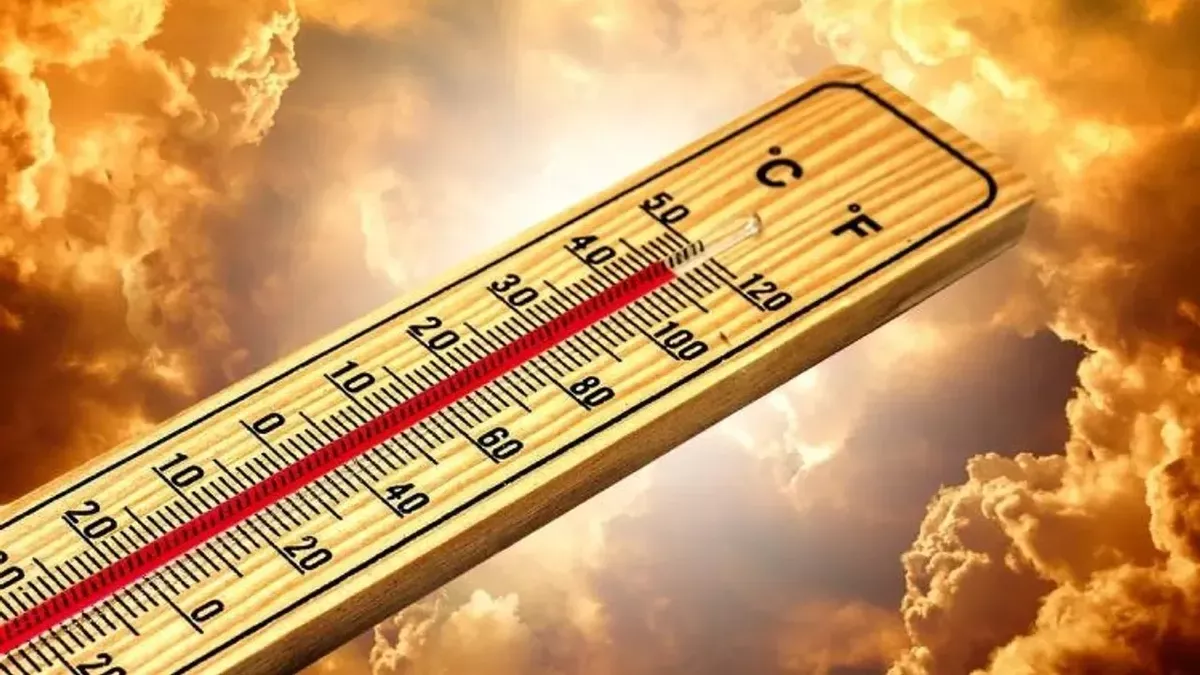
Indore is among several cities in Madhya Pradesh facing an intense heatwave, with temperatures climbing beyond 43°C—raising concerns over public health, urban infrastructure stress, and the growing impact of climate variability on rapidly expanding cities. The heatwave, affecting multiple urban centres including Bhopal and Gwalior, has intensified over recent days, with forecasts indicating continued high temperatures. In Indore, prolonged exposure to such extreme conditions is placing pressure on electricity demand, water supply systems, and public health services, particularly in densely populated neighbourhoods.
Authorities have issued advisories urging residents to limit outdoor activity during peak hours and maintain hydration, as heat-related illnesses become a growing risk. Urban experts note that heatwaves disproportionately affect vulnerable groups, including outdoor workers, the elderly, and low-income communities with limited access to cooling infrastructure. From a planning perspective, the situation highlights structural gaps in how cities prepare for rising temperatures. Indore’s rapid urbanisation has led to increased built-up areas, often at the cost of green cover and open spaces that help regulate local temperatures. This contributes to the urban heat island effect, where concrete-dominated areas retain more heat, intensifying overall temperature levels. Infrastructure systems are also being tested. Higher electricity demand due to cooling needs can strain power networks, while water consumption spikes amid already stressed supply systems. In some areas, residents report uneven water availability, reflecting the challenge of managing resources during extreme weather events. Climate specialists emphasise that such heatwaves are becoming more frequent and intense due to broader climate shifts. “Cities must treat heatwaves as recurring urban risks rather than isolated events,” said an environmental planner, pointing to the need for long-term adaptation strategies. These strategies include expanding urban tree cover, promoting heat-resilient building materials, and developing heat action plans that combine early warning systems with community outreach. Improving access to shaded public spaces and cooling centres can also help mitigate the immediate impact on vulnerable populations. The economic implications are equally notable. High temperatures can reduce labour productivity, disrupt outdoor work, and increase operational costs for businesses reliant on cooling systems. For a growing city like Indore, these factors can cumulatively affect economic efficiency.
As the heatwave persists, the focus is shifting from short-term response to long-term resilience. For Indore, the current conditions serve as a stark reminder that climate-responsive urban planning is no longer optional. The challenge ahead lies in ensuring that growth is aligned with sustainability—so that the city can withstand rising temperatures while maintaining livability for its residents.
ALSO READ – Indore Rail Connectivity Gains With Humsafar Extension
Indore Heatwave Alert As Temperatures Cross 43C
