


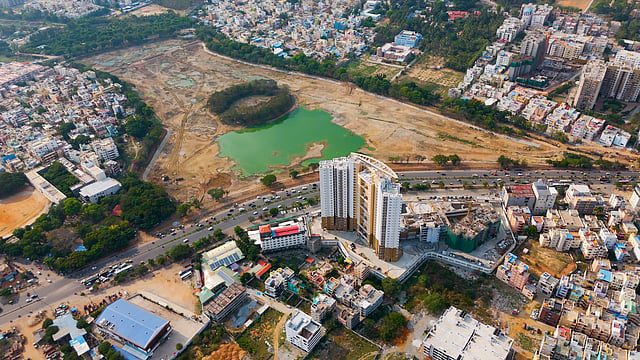
In Bengaluru, fluctuating weather conditions marked by rising temperatures and intermittent rainfall are drawing attention to the city’s growing exposure to climate variability.
The current pattern, combining heatwave-like conditions with sudden showers, reflects broader shifts in regional weather behaviour with implications for infrastructure, public health, and urban planning.Meteorological trends indicate that daytime temperatures have been climbing above seasonal norms, even as parts of the city experience brief spells of rain. Experts note that such variability—where heat and precipitation occur in close succession—is becoming more frequent due to changing climate dynamics.For urban centres like Bengaluru, this unpredictability complicates planning and response strategies.The immediate impact is visible in daily life.Higher temperatures increase energy demand for cooling, placing additional load on power systems, while sudden rain can lead to localised waterlogging in areas with inadequate drainage. Urban planners highlight that such dual stressors test the resilience of city infrastructure, particularly in rapidly expanding neighbourhoods.From a public health perspective, fluctuating weather conditions can exacerbate heat stress while also increasing the risk of seasonal illnesses.
Vulnerable populations, including outdoor workers and the elderly, are especially affected. Experts suggest that cities need to strengthen heat action plans and improve early warning systems to manage these risks more effectively.The situation also underscores structural challenges in Bengaluru’s urban development.Reduced green cover and increasing built-up areas contribute to the urban heat island effect, intensifying temperature spikes. At the same time, drainage networks often struggle to handle even moderate rainfall due to encroachments and inadequate maintenance.Climate specialists argue that adapting to such patterns requires a shift towards integrated urban resilience strategies.Expanding tree cover, restoring water bodies, and improving stormwater management systems can help cities better absorb both heat and rainfall shocks.Incorporating climate-responsive design into buildings and public spaces is also seen as a key intervention.There are economic implications as well. Weather disruptions can affect productivity, mobility, and service delivery, particularly in a city that functions as a major technology and business hub.Ensuring continuity under changing climate conditions is becoming a critical priority for urban governance.The evolving weather pattern serves as a reminder that climate change is not a distant concern but an immediate urban challenge.
For Bengaluru, balancing growth with environmental resilience will be essential to maintain liveability and economic stability.As the city navigates these shifts, sustained investment in climate-adaptive infrastructure and planning will be crucial to managing future risks while supporting a more sustainable and resilient urban ecosystem.
Also Read:Bengaluru Mumbai Vande Bharat sleeper approved
Bengaluru weather swings test urban climate resilience
