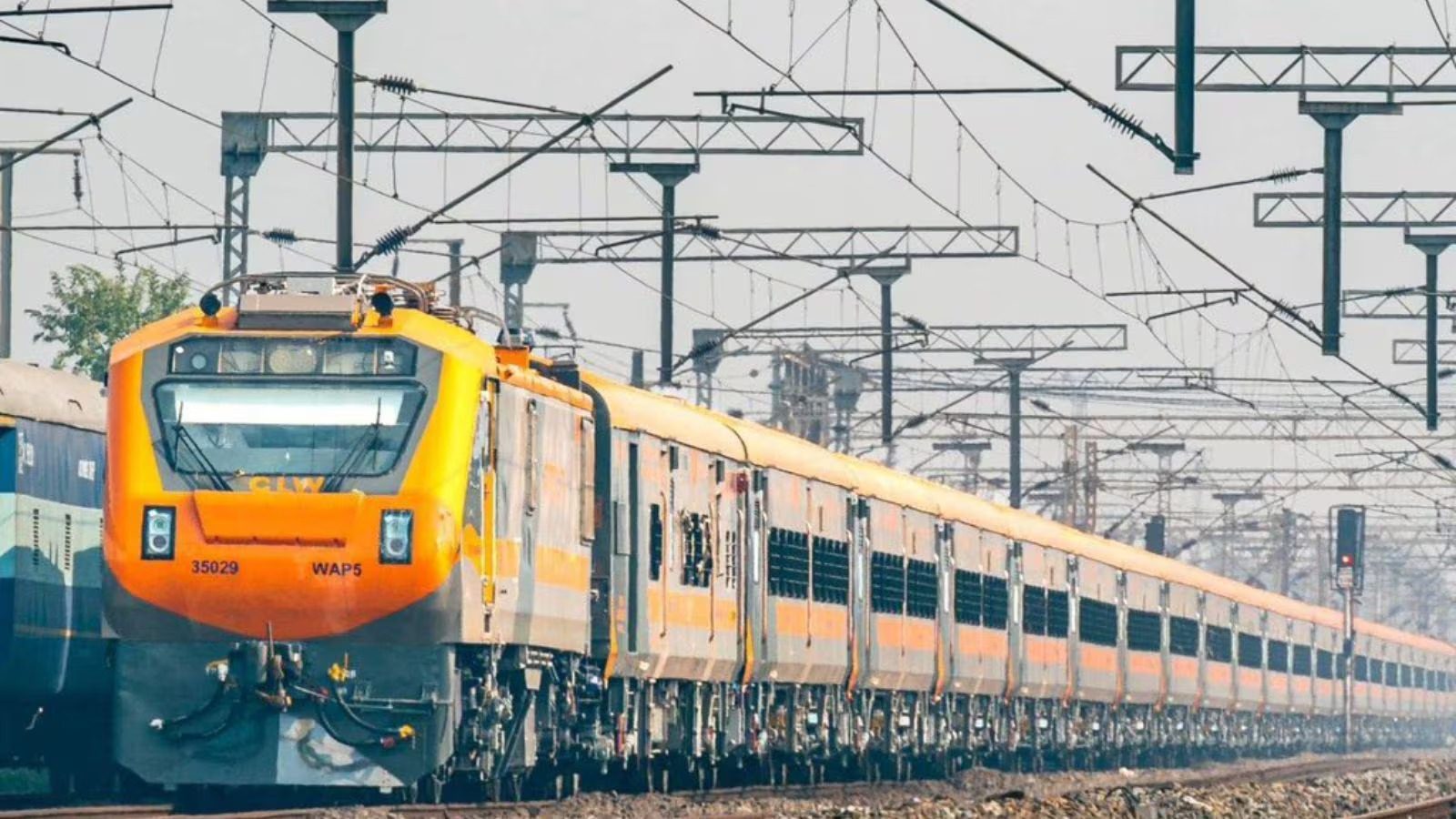
A long-standing gap in rail connectivity between western India and the eastern pilgrimage belt is finally being closed. The railway ministry has approved a new Amrit Bharat Express service linking Hadapsar in Pune with Banaras in Varanasi, alongside the conversion of an existing special train into a permanent daily service. For the city’s growing population of senior citizens and regular travellers to North India, the decision ends years of uncertainty and circuitous routing.
The new train will originate from the Hadapsar terminal, a move that urban mobility planners say serves two purposes. First, it provides a direct, faster link to Varanasi—a major pilgrimage destination. Second, it deliberately shifts a portion of long-distance passenger load away from the congested Pune railway station, which has struggled with platform scarcity and peak-hour crowding for over a decade. A local representative confirmed that the demand for better Pune-North India connectivity had been pending for years, particularly from elderly residents travelling to religious sites. The approval, communicated through an official letter from the railway ministry, effectively formalises what had been an ad-hoc arrangement of special trains with unpredictable fares and advance reservation windows.
The existing Pune–Jabalpur special train will now operate permanently as the Pune–Jabalpur Express, with new service numbers. For regular commuters, this conversion carries tangible benefits: year-round advance booking, standardised fares instead of premium special-train pricing, and predictable scheduling. A frequent traveller on the route noted that the uncertainty around special trains often forced passengers to pay higher spot fares or postpone trips. Urban economists tracking Pune’s growth note that the city’s rail infrastructure has lagged behind its economic expansion. As a major IT and manufacturing hub, Pune sends thousands of passengers weekly to North India for business, education, and family travel. The existing Pune station, originally designed for a fraction of current traffic, has been operating beyond capacity. Hadapsar terminal’s increasing role—first as a suburban stop, now as a long-distance origin point—reflects a decentralisation strategy that other crowded cities may need to replicate.
The Amrit Bharat Express is positioned as a superfast service aimed at long-distance travellers. While the railway ministry has not yet released the full schedule or stoppages, the approval itself signals a shift in how Pune’s rail network is being reconfigured: away from funneling everything through one overloaded station, toward distributing load across multiple terminals. For lakhs of passengers who travel between Pune and the Hindi heartland, the new train removes a persistent friction point. The question now is whether the supporting infrastructure—platform capacity, pit lines for maintenance, and last-mile connectivity at Hadapsar—will keep pace with the new demand.
Pune Gets New Amrit Bharat Link To Varanasi