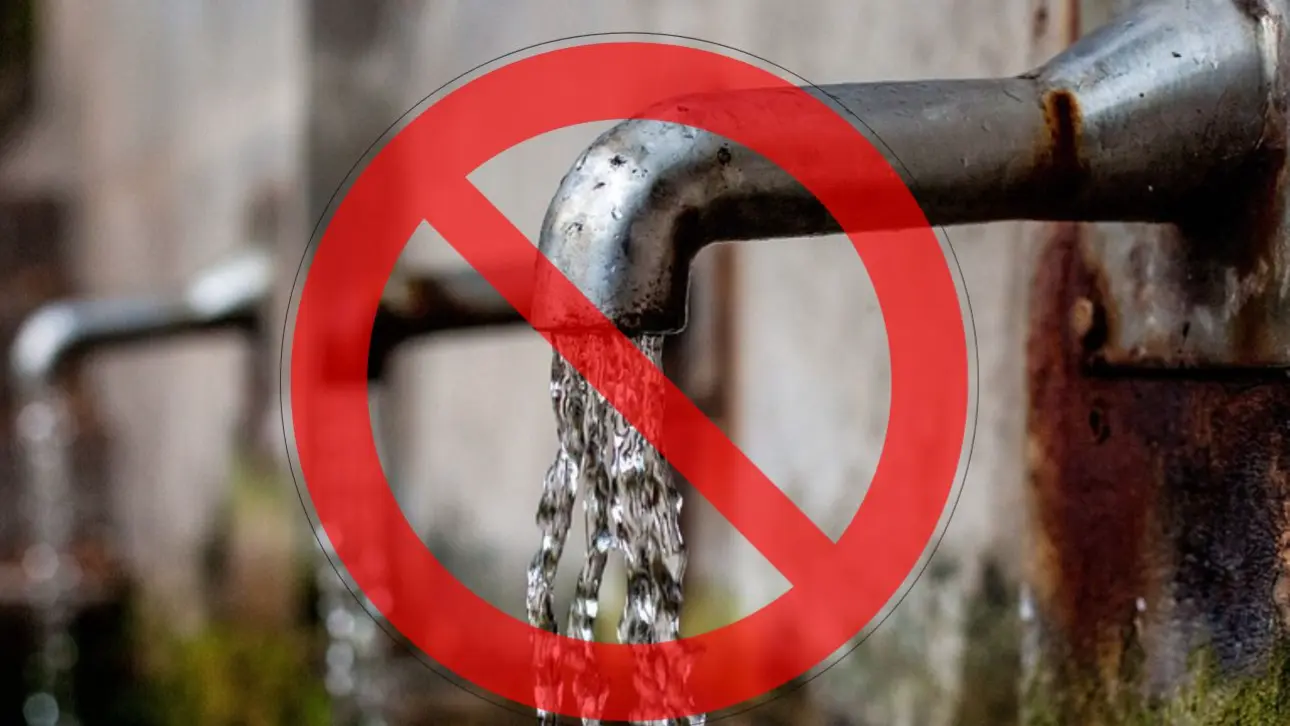
A bureaucratic standoff over the city’s water tap has ended, at least temporarily, in favour of residents. The Pune Municipal Corporation has firmly ruled out any immediate reduction in water supply, rejecting a formal appeal from the state irrigation department to slash allocations by 15 percent. For neighbourhoods already enduring erratic pressure and unreliable timings, the decision offers a crucial window of stability.
The irrigation department had urged the civic body weeks ago to preemptively cut supply, citing concerns over El Niño conditions and the possibility of below-normal monsoon rainfall. The stated goal was to stretch dam reserves through the harsh summer months, ideally until August-end rather than the more precarious mid-July mark. But the municipal administration, after internal reviews, decided against acting on the appeal. A senior civic official confirmed that there is currently “no proposal” to reduce water supply with immediate effect, adding that dam levels and daily lifting figures remain under constant watch. The numbers partly justify the caution. Combined storage in the four dams that feed Pune stood at 11.5 TMC (39 percent) on Monday—marginally better than the 10.4 TMC (36 percent) recorded on the same date last year.
But the statistical comfort masks deeper fractures in the city’s water distribution network. Residents in multiple wards have long complained of patchy supply, low pressure, and schedules that bear little relation to official timetables. A civic activist tracking the issue pointed out that imposing formal cuts on top of existing inefficiencies would have pushed vulnerable households—particularly those in low-lying and peripheral areas—into a daily crisis. The irrigation department has also alleged that the municipal corporation is currently lifting more water than its stipulated quota, adding another layer of tension. The final decision-making authority on supply cuts rests with a canal committee, a meeting that has been delayed due to a local byelection. Until that committee convenes, the status quo holds.
For residents, the announcement brings temporary relief. But urban water management experts note that Pune’s approach remains reactive rather than strategic. The city continues to lack a transparent, real-time dashboard of ward-level supply, leakage rates, and equitable distribution metrics. Without those, every summer becomes a repeat negotiation between dam levels and political pressure. The canal committee’s eventual decision will determine whether the 15 percent cut returns to the table. But the larger question—how Pune builds a climate-resilient water system that does not rely on last-minute brinkmanship—remains unanswered.
Pune Rules Out Immediate Water Cuts Despite Plea