


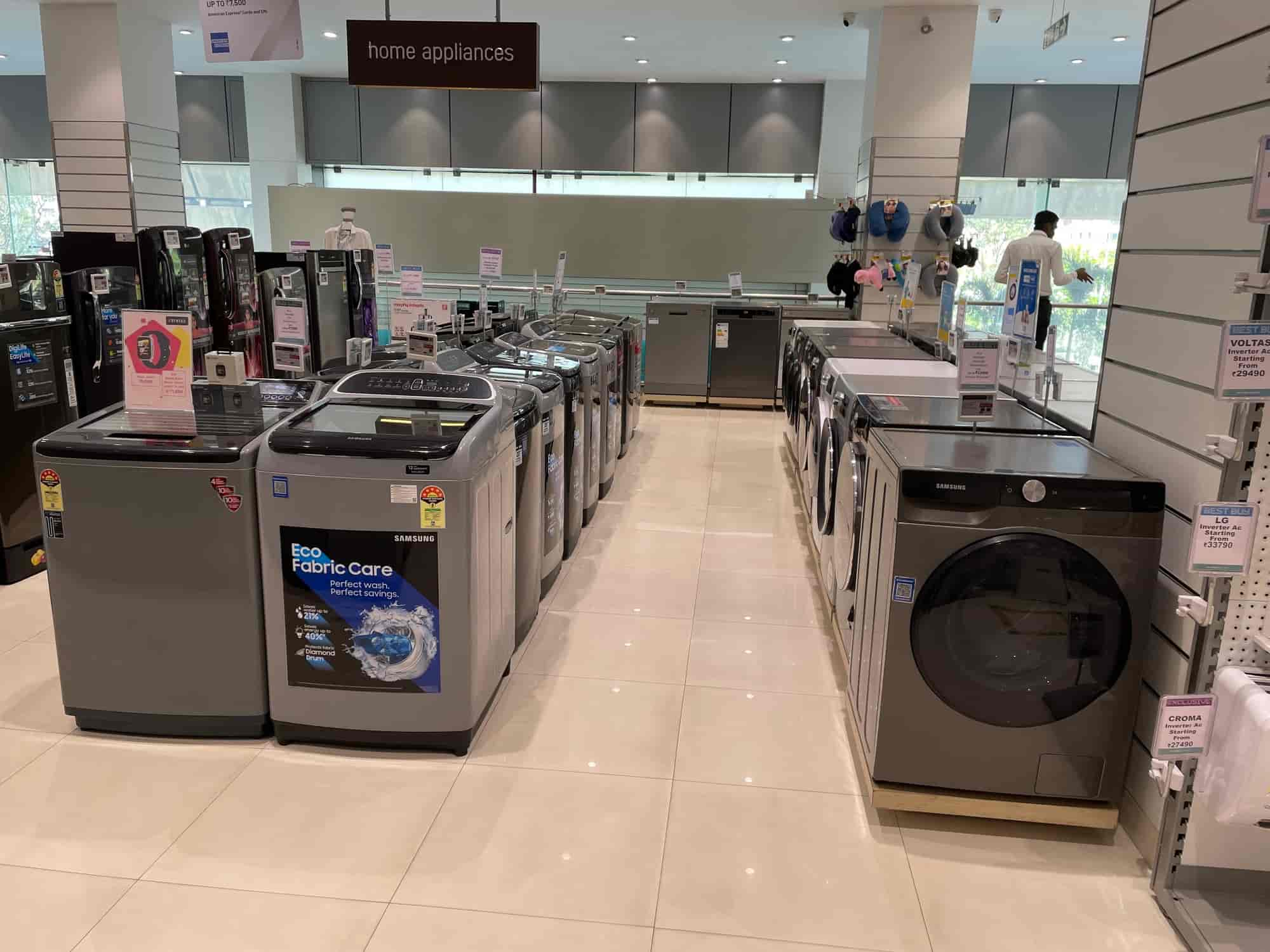
The emergence of a high-end, made-in-India gas stove priced at nearly ₹1.5 lakh is reflecting a growing premiumisation trend in Kolkata’s urban appliance market.
As households in the city increasingly invest in design-led living spaces, kitchen appliances are evolving from basic utilities into lifestyle products—reshaping both consumption patterns and housing expectations.In Kolkata, where compact apartments and redevelopment projects are redefining residential layouts, kitchens are becoming more integrated with living areas. This has led to a rising demand for appliances that combine functionality with aesthetics. The presence of premium gas stoves in the market highlights how consumer preferences are shifting toward durability, precision engineering, and visual appeal.Industry experts note that such products typically justify their pricing through high-grade materials, advanced burner technology, and enhanced safety features. These elements not only improve performance but can also contribute to energy efficiency by optimising fuel use. However, the adoption of such appliances remains limited to higher-income households, raising questions about equitable access to efficient technologies.The trend is also closely linked to Kolkata’s evolving real estate sector. Developers are increasingly offering modular kitchens and pre-fitted appliances as part of premium housing projects.
This integration reflects a broader shift in urban housing, where lifestyle amenities play a key role in property valuation.For buyers, kitchens are no longer secondary spaces but central to everyday living and social interaction.From a sustainability standpoint, the rise of premium appliances presents both opportunities and challenges. On one hand, improved efficiency and longer product lifespans can reduce overall resource consumption. On the other, the use of resource-intensive materials and higher production footprints raises concerns about environmental impact. Experts suggest that scaling energy-efficient features across affordable product ranges will be critical for achieving wider urban sustainability goals.Kolkata’s retail landscape is also adapting to this shift. Appliance showrooms and specialised stores are expanding their offerings to include high-end products, catering to a niche but growing segment of consumers. This reflects a broader transformation in urban retail, where experience-driven and design-oriented products are gaining prominence.At the same time, the trend underscores widening consumption divides within the city.While premium appliances signal rising aspirations and purchasing power, a significant portion of the population continues to rely on basic, cost-sensitive options. Urban economists argue that bridging this gap—by making efficient and safe appliances more accessible—will be essential for inclusive growth.
As Kolkata continues to modernise its housing and retail ecosystems, the evolution of kitchen appliances offers insight into changing urban lifestyles. The challenge ahead lies in balancing innovation with affordability, ensuring that advancements in efficiency and design contribute to a more sustainable and equitable urban future.
Also Read:Kolkata Women Education Access And Public College Growth
