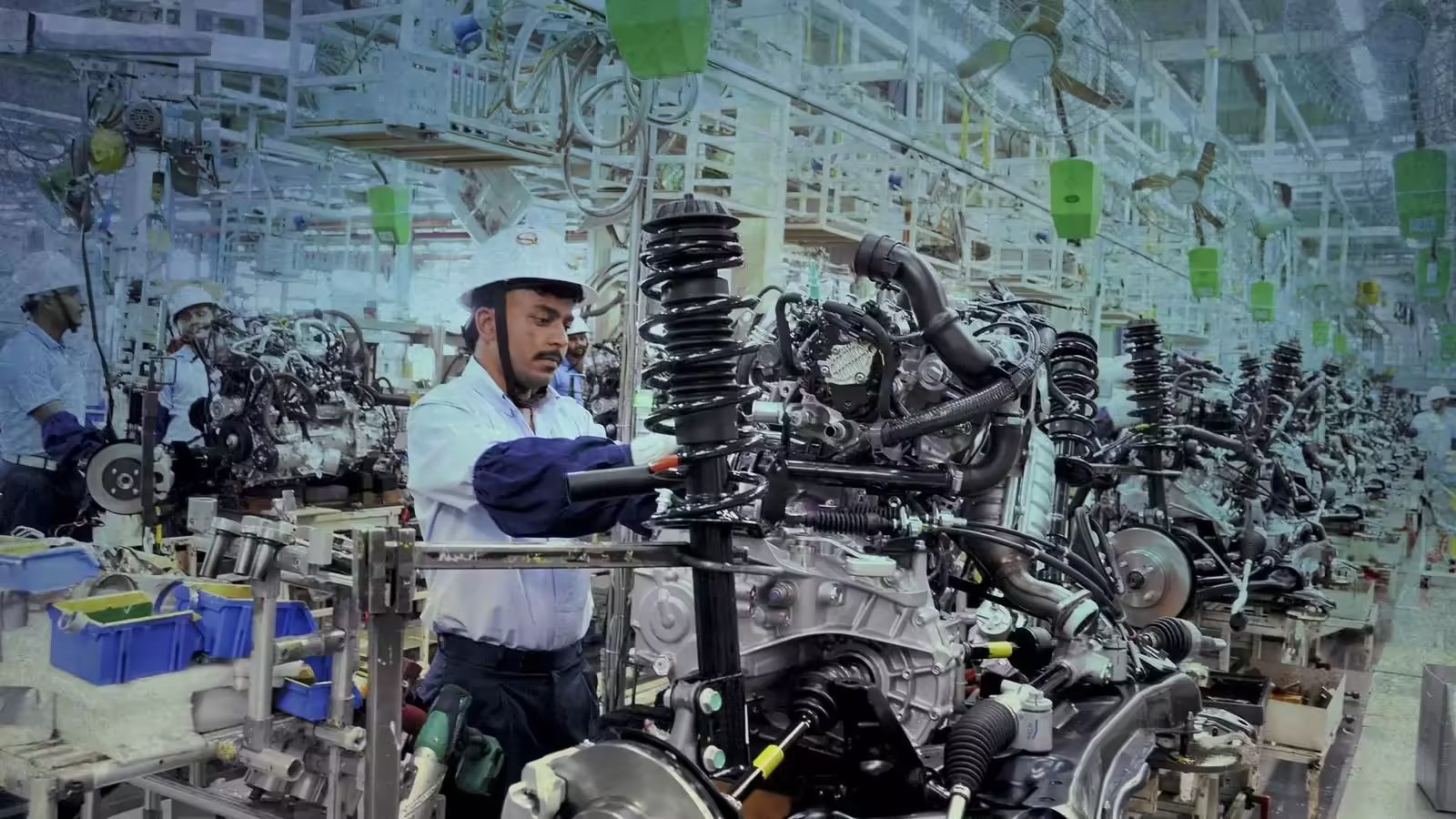
Delhi Industrial Survey To Map Manufacturing Growth
Delhi is set to undertake a city-wide industrial assessment exercise to better understand the scale, structure and performance of its manufacturing ecosystem, signalling a shift towards data-led economic planning at a time when urban production systems are under pressure to become more sustainable and resilient. The proposed Delhi industrial survey, scheduled between April and September, will cover factories and registered establishments across the capital. Officials indicate that the initiative aims to create a comprehensive evidence base on organised manufacturing activity, which remains a critical yet often under-mapped component of Delhi’s largely service-driven economy.
The survey will collect detailed financial, operational and labour-related information for the 2024–25 period. This includes production outputs, input sourcing patterns, capital investments, workforce dynamics and social security provisions. By combining economic and employment indicators, the Delhi industrial survey is expected to offer policymakers a granular understanding of how industrial clusters function within a dense urban environment. Urban economists note that such datasets are essential for aligning industrial growth with infrastructure planning and environmental constraints. Delhi’s manufacturing units, many of which operate within mixed-use or legacy industrial zones, face challenges related to land use conflicts, resource efficiency and regulatory compliance. A structured survey could help identify gaps in logistics, energy use and waste management, particularly as cities transition towards low-carbon production systems. The exercise is being conducted under statutory provisions that mandate participation from registered industrial entities, including those governed by factory, corporate and commercial establishment laws. Designated field officers will be authorised to verify records and engage directly with businesses, ensuring that the data collected reflects operational realities rather than estimates.
Beyond immediate data collection, the Delhi industrial survey is expected to inform long-term policy frameworks around manufacturing competitiveness, job creation and supply chain resilience. Officials suggest that insights from the exercise could shape future incentives for cleaner production technologies, decentralised industrial clusters and workforce upskilling—areas increasingly linked to sustainable urban growth. The timing of the survey also coincides with broader shifts in India’s manufacturing landscape, where cities are attempting to balance industrial expansion with environmental compliance. In Delhi, where air quality concerns and land scarcity remain pressing issues, the ability to integrate industrial policy with climate goals will be crucial. Experts argue that reliable industrial data can support more equitable development by identifying underperforming sectors and enabling targeted interventions, particularly for small and medium enterprises that form the backbone of urban employment. It may also guide infrastructure investments such as freight corridors, waste recycling systems and energy-efficient utilities.
As the capital moves towards a more structured understanding of its industrial base, the effectiveness of the Delhi industrial survey will ultimately depend on how its findings translate into actionable policy. For a city navigating the dual demands of economic growth and environmental sustainability, such data-driven planning could prove decisive in shaping its next phase of urban transformation.