Hyderabad Kawal ESZ Review Puts Rural Projects in Focus
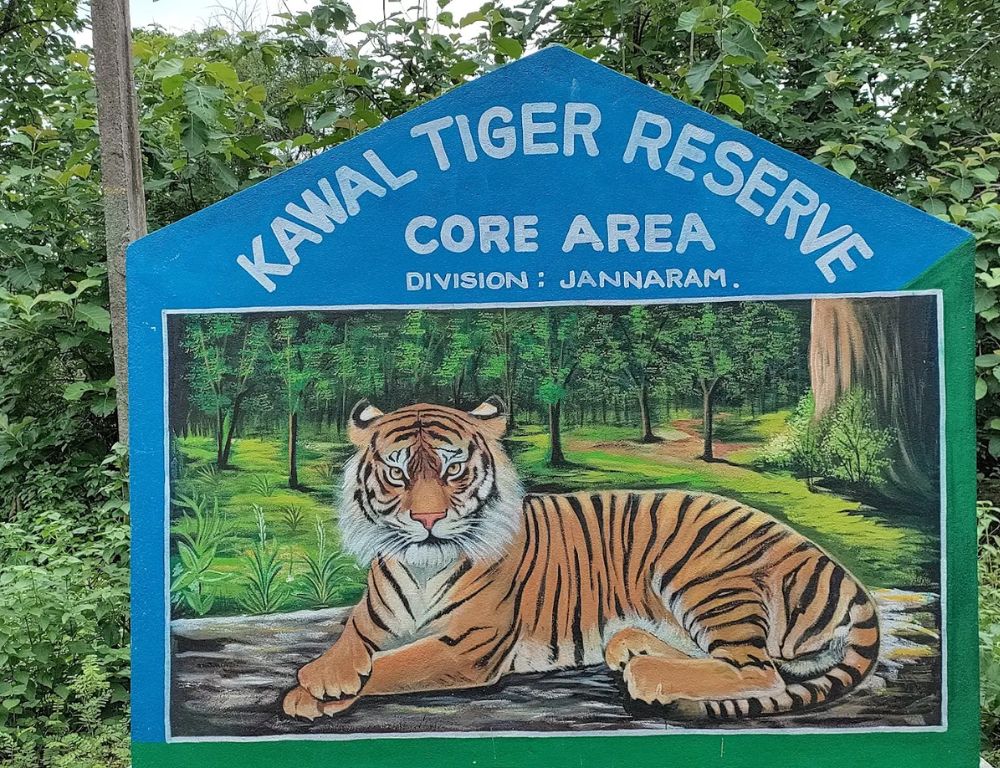
Telangana has begun seeking a change in the regulatory footprint around Kawal Tiger Reserve after restrictions on the movement and sourcing of sand and soil emerged as a constraint for housing, roads and other village-level works. District authorities want the existing 10-km Eco-Sensitive Zone to be reduced to 1 km, setting up a policy debate over how conservation requirements can coexist with essential rural infrastructure.
District collectors from Mancherial, Adilabad, Nirmal and Kumram Bheem Asifabad, along with Forest Department officials, have submitted proposals seeking the reduction. The request follows field-level assessments of difficulties faced by residents and agencies undertaking construction activity around the reserve. The immediate concern is access to construction material. Restrictions governing activities within the ESZ have complicated the movement of sand and soil sourced from streams, rivulets and areas within the Godavari basin. This has affected works such as Indiramma housing, rural concrete roads and drainage infrastructure. The restrictions are intended to limit activities that could put pressure on the protected landscape. Commercial mining, sawmills and pollution-generating activities are among those regulated within the zone. Forest officials have also been registering cases where sand is transported without the required permissions.
The proposed change, however, does not rest solely with the state government. The proposal will have to move through the state administration before being considered by the Union Ministry of Environment, Forest and Climate Change. Until any revised notification receives the required approval, the existing 10-km framework remains applicable. The debate highlights a recurring challenge around protected areas: regulations designed to safeguard sensitive ecosystems can sometimes intersect with the basic infrastructure needs of communities living nearby. A reduction in the ESZ could ease access to materials and speed up public works, but it would also make careful assessment of ecological risks more important. Urban and environmental planners say any revised boundary should be supported by site-specific studies rather than treated as a uniform relaxation. The ecological sensitivity of riverbeds, forest edges, wildlife movement routes and groundwater systems can vary considerably across a large landscape.
For local governments, the issue also points to the need for more sustainable construction practices. Better management of legally sourced construction materials, greater use of locally appropriate alternatives and stronger monitoring could reduce pressure on natural resources while keeping essential projects moving. The proposal now faces scrutiny at the state and central levels. Its eventual outcome will determine whether a narrower regulatory boundary can address rural development bottlenecks without weakening the ecological safeguards surrounding one of Telangana’s important tiger habitats.