Pune Engineers Told To Assess Roads From Two Wheelers
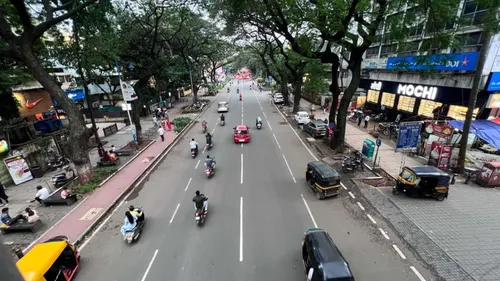
Pune’s civic administration is changing how its engineers assess road conditions, requiring technical staff to use two-wheelers for daily field inspections instead of relying on four-wheelers. The exercise will cover roads, footpaths and ongoing works across the city, with a particular focus on how safely and smoothly people actually travel. The move comes during a monsoon season when potholes and deteriorating surfaces have intensified concerns over Pune’s road network.
Under an order issued by the Pune Municipal Corporation’s road department, junior engineers, executive engineers and other technical personnel across Zones 1 to 5 must undertake inspections between 9.45 am and 11.45 am every day. The directive has immediate effect, with non-compliance potentially attracting action under applicable rules. The inspection checklist extends well beyond potholes. Officials have been asked to examine road surfaces, footpaths, junctions, drainage and sewage chambers, dividers, encroachments and other physical defects. Construction, resurfacing and maintenance sites will also come under scrutiny. The more significant shift is the emphasis on road riding quality. Instead of judging a road primarily by whether visible repairs have been completed, engineers are expected to assess the experience of travelling along it. Uneven surfaces, abrupt level changes, unsafe road edges and poorly executed patches can remain hazardous even after a pothole has technically been repaired.
For motorists, cyclists and pedestrians, that distinction matters. A road may appear repaired from a vehicle inspection while still creating instability for two-wheelers or forcing pedestrians into traffic because of damaged or obstructed footpaths. Pune’s large two-wheeler population makes surface quality particularly relevant to everyday mobility and road safety. Urban planners say the approach could also improve accountability if inspection findings are converted into measurable maintenance targets. Rather than repeatedly treating individual potholes, the civic body can identify recurring failures linked to drainage, utility cuts, inadequate resurfacing or poor construction standards. The monsoon has added urgency to the exercise. Water infiltration, weak road edges and damaged surfaces can accelerate deterioration, increasing maintenance costs and creating risks for road users. Better coordination between road, water and sewage departments could help address these underlying causes instead of relying on repeated short-term patchwork.
The new inspection system will ultimately be judged by what changes on the ground. Road riding quality needs consistent monitoring, documented defects and timely corrective work if it is to become more than an administrative requirement. For Pune, safer streets will depend not only on repairing damaged roads but also on designing and maintaining them around the needs of people who use them every day.