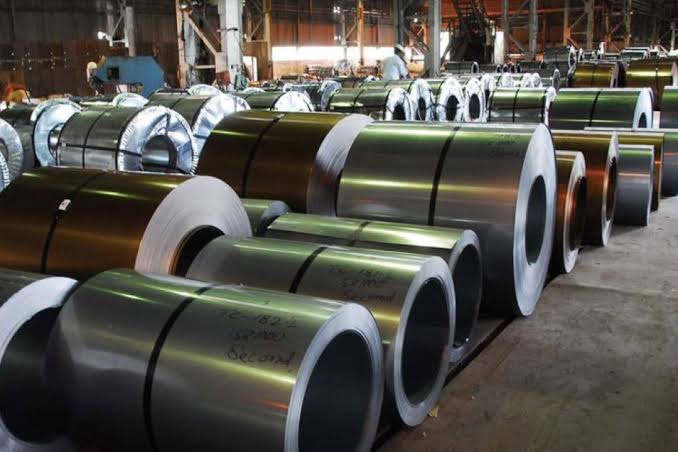
Kolkata recently became a meeting point for India’s steel and raw-material industries as a three-day industry forum brought producers, miners, policymakers, logistics players and technology specialists together. Held from 19–21 August, the discussions placed Kolkata at the centre of questions around industrial expansion, supply security, trade and decarbonisation issues that increasingly affect the city and the wider eastern economic region.
The scale of the gathering reflects the continuing importance of Kolkata and its surrounding industrial belt to eastern India’s manufacturing economy. West Bengal has long had links with iron, steel, engineering and foundry industries, while industrial areas around Howrah, Durgapur, Burnpur and other parts of the state remain connected to Kolkata through road, rail and port networks.That industrial geography makes Kolkata steel more than a sectoral issue. The movement of iron ore, coal, scrap and finished products depends on infrastructure that also supports wider economic activity. Congested freight routes, inefficient logistics or inadequate industrial utilities can raise costs for businesses while increasing pressure on roads, air quality and surrounding communities.The forum’s programme highlighted raw-material availability, shipping, logistics, artificial intelligence, scrap, DRI production, green steel and decarbonisation.
These concerns point to a broader transition for Kolkata steel and the region: future competitiveness will depend not only on producing more metal, but on using energy, materials and transport networks more efficiently.West Bengal’s industrial infrastructure already extends well beyond the metropolitan boundary. Government data lists industrial parks at locations including Uluberia, Haldia, Kharagpur and other centres, with supporting roads, drainage, water and power infrastructure. Uluberia, for example, hosts iron and steel-related activity and benefits from road and port connectivity to Kolkata.The environmental dimension is becoming harder to separate from industrial planning. Steel remains fundamental to housing, transport, bridges, energy systems and other infrastructure, but its production is also emissions-intensive. As India expands manufacturing capacity, cleaner technologies, greater use of scrap and improved energy efficiency will increasingly shape whether industrial growth can coexist with healthier urban environments.
For Kolkata, the opportunity lies in strengthening its role as an eastern logistics and industrial gateway without shifting the costs of expansion onto residents. Better freight planning, cleaner industrial processes, resilient infrastructure and stronger links between employment centres and transport systems will be important as the region prepares for its next phase of growth.