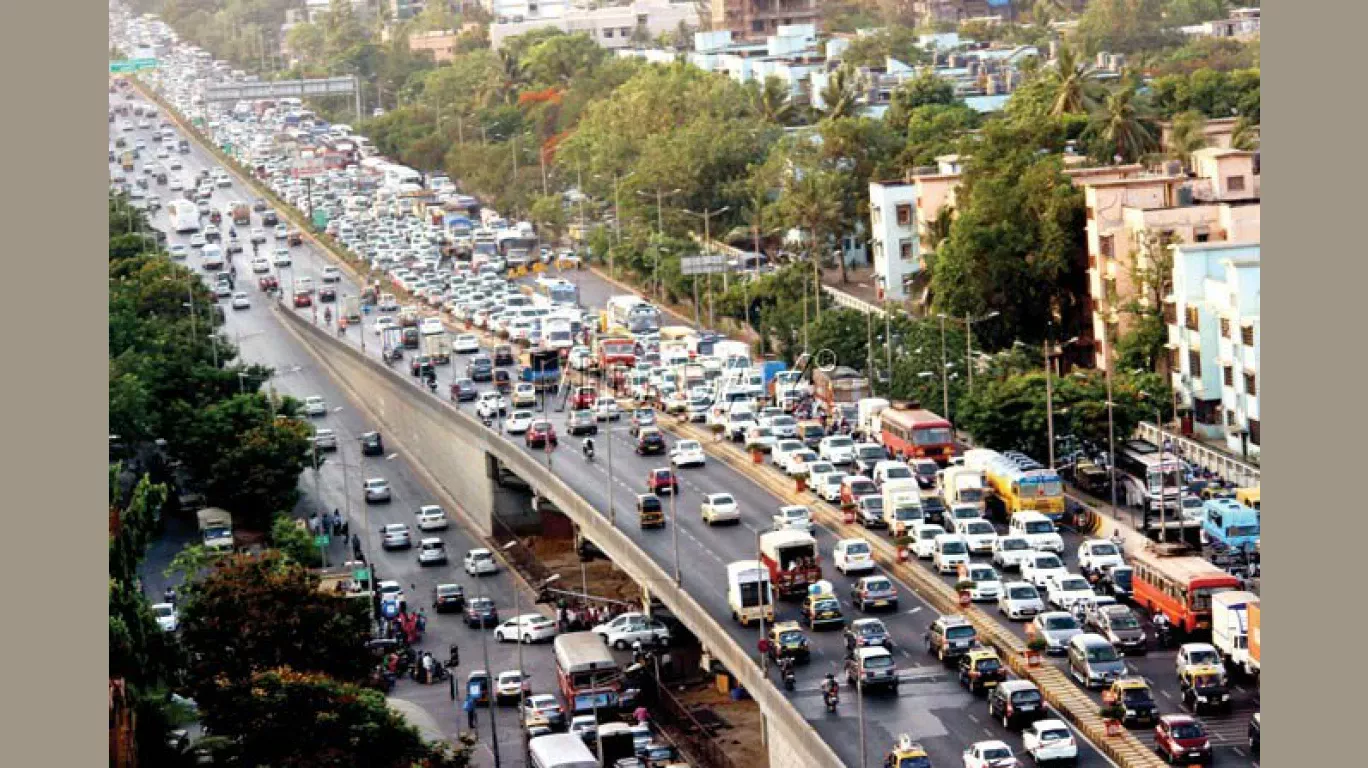
Mumbai commuters are set to face prolonged travel disruptions across parts of the eastern suburbs as traffic diversions, road closures, and parking restrictions come into effect to facilitate ongoing civic infrastructure works. The latest Mumbai traffic diversions reflect the city’s continued push to upgrade essential utilities, even as mobility challenges intensify in already congested corridors.
Key stretches in Kurla East have been shut to vehicular movement to enable sewerage-related works, with restrictions expected to remain in place until the end of May. Traffic authorities have rerouted vehicles through alternative arterial roads, aiming to maintain connectivity while ensuring safety at the work site. However, such diversions are likely to increase travel time for daily commuters, particularly during peak hours. Simultaneously, road access in parts of Ghatkopar East has been restricted due to cement concrete road construction. These works, part of the broader road strengthening initiative across Mumbai, involve excavation and reconstruction activities that necessitate full or partial closures. Traffic has been redirected through nearby internal roads, adding pressure on local street networks not designed for high traffic volumes.
The implementation of no-parking zones in select residential stretches further underscores the complexity of managing limited road space in dense urban environments. Authorities have cited obstruction caused by roadside parking as a key concern affecting emergency access and daily mobility for residents. While such measures are intended to improve traffic flow, they also highlight the need for better off-street parking solutions in high-density neighbourhoods.
mobility experts note that Mumbai traffic diversions have become a recurring feature of the city’s infrastructure upgrade cycle. While these interventions are essential for long-term resilience—improving drainage, road quality, and utility networks—they often lead to short-term inefficiencies. Without integrated planning, simultaneous works across multiple locations can strain the transport system and impact productivity. There is also a broader sustainability dimension to these disruptions. Increased congestion due to diversions can lead to higher vehicle emissions, undermining efforts to improve air quality. Experts suggest that better coordination between civic agencies, phased execution of projects, and real-time traffic management systems could help mitigate these impacts.
For residents and businesses, the immediate challenge lies in navigating altered routes and adjusting daily schedules. Public transport users may also experience indirect delays as buses and shared mobility services adapt to changing road conditions. The ongoing Mumbai traffic diversions highlight the balancing act between infrastructure development and urban liveability. As the city continues to modernise its ageing systems, the effectiveness of such interventions will depend on how well they are planned, communicated, and executed with minimal disruption to citizens.
Mumbai Traffic Diversions Announced Across Key Eastern Suburbs