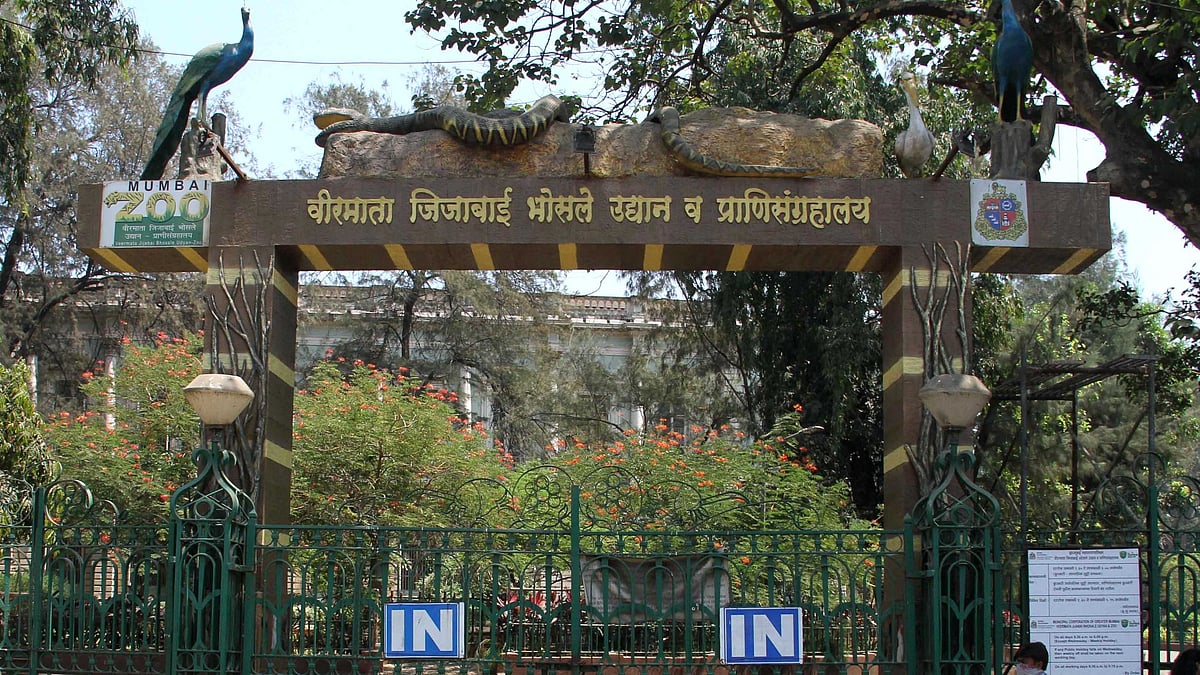
Mumbai’s civic administration has cleared a new procurement contract to ensure uninterrupted food supply for carnivorous animals at the city’s historic zoo in Byculla, underscoring the operational complexities of managing urban wildlife facilities. The decision, while routine in administrative terms, has triggered wider discussions around procurement transparency, animal welfare, and long-term planning for public institutions.
The approved contract, valued at over ₹60 lakh, covers the supply of meat required for a range of carnivorous species housed at the facility, including large cats and scavengers. With nearly a hundred mammals and a diverse mix of birds and reptiles, the zoo’s daily functioning depends on a consistent and quality-controlled food supply chain. Civic officials indicate that the contract will run for a year, with provisions for short-term extension if required. However, the tendering process saw limited participation, with only a small number of bidders responding despite multiple deadline extensions. One bid was rejected during technical evaluation, leaving a single eligible vendor to secure the contract. Such limited competition has raised questions among urban governance observers about procurement efficiency and market participation in civic contracts.
Officials have defended the one-year duration of the agreement, citing fluctuations in meat prices and the need to maintain flexibility in procurement. The supply chain is expected to operate through authorised slaughterhouses under veterinary oversight, aligning with regulatory norms for animal feed quality and safety. Comparable arrangements are also in place for other wildlife facilities in the region, indicating a standardised sourcing model. Beyond procurement, the discussion has extended to broader concerns about animal care standards within the zoo. Observations regarding the health and nutrition of certain species have prompted calls for more robust monitoring systems and periodic audits. Experts argue that urban zoos must go beyond basic maintenance to ensure enrichment, habitat quality, and scientifically managed feeding practices that reflect evolving global standards.
The facility is also expected to receive additional animal species in the coming months, which could further increase operational demands. This raises the need for integrated planning, including budget allocation, infrastructure upgrades, and veterinary capacity, to ensure that expansion does not compromise existing care standards. Separately, an incident reported within the civic headquarters involving a theft during an official meeting has drawn attention to administrative security protocols. While unrelated to the zoo operations, it highlights broader governance challenges within large municipal systems.
From a sustainability and urban policy perspective, the episode underscores the role of public institutions in balancing ecological responsibility with administrative efficiency. Urban zoos, in particular, sit at the intersection of conservation, education, and city governance, requiring transparent systems and citizen trust. As Mumbai continues to invest in its public infrastructure, the focus is likely to remain on improving accountability mechanisms, ensuring welfare standards, and aligning civic operations with broader goals of responsible and inclusive urban development.
BMC Clears ₹61.77 Lakh Meat Supply Deal For Byculla Zoo