


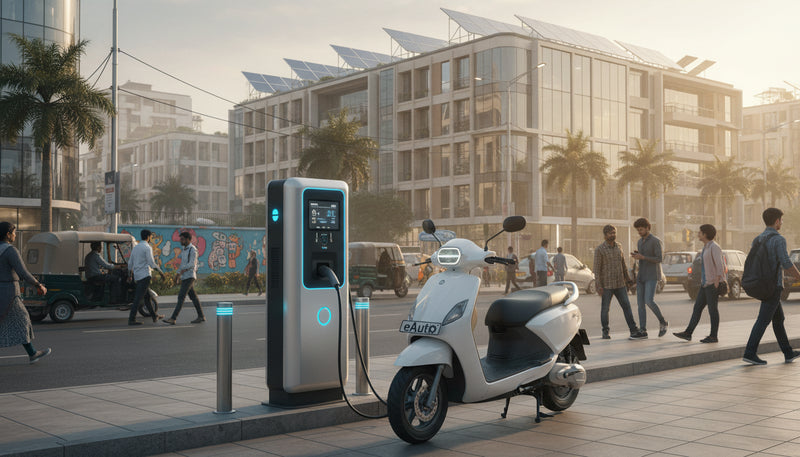
Kolkata is witnessing a rapid acceleration in electric vehicle adoption, with recent data indicating a sharp rise in registrations that signals a decisive shift in the city’s mobility landscape.
The surge in Kolkata EV adoption reflects changing consumer preferences, supportive policy frameworks, and the growing urgency to transition towards cleaner, low-emission transport systems in densely populated urban environments.The growth in Kolkata EV adoption is being driven by a combination of factors, including rising fuel costs, increasing environmental awareness, and government incentives aimed at promoting electric mobility. Two- and three-wheelers are leading this transition, given their affordability and suitability for urban commuting, while gradual uptake is also being seen in passenger vehicles and commercial fleets.Urban mobility experts note that Kolkata’s evolving EV ecosystem is reshaping transport dynamics, particularly in last-mile connectivity and shared mobility services. Electric autos and small commercial vehicles are increasingly being deployed in high-density areas, offering cost-effective and cleaner alternatives to conventional fuel-based transport. This shift is not only reducing emissions but also contributing to improved air quality in a city that has long grappled with pollution challenges.From an infrastructure perspective, the expansion of charging networks remains a critical factor in sustaining Kolkata EV adoption.
While the number of charging stations is gradually increasing, experts emphasise the need for faster deployment across residential, commercial, and public spaces. Integrating charging infrastructure into urban planning frameworks will be essential to ensure convenience and reliability for users.The economic implications of this transition are significant. The growth of the EV sector is creating new opportunities across manufacturing, services, and energy supply chains. Local businesses involved in vehicle sales, maintenance, and battery management are benefiting from increased demand, while the broader ecosystem is attracting investment in technology and infrastructure.However, challenges persist, particularly around upfront costs, battery life, and grid capacity. Ensuring that the power infrastructure can support increased electricity demand without compromising stability will be crucial. Additionally, addressing concerns related to battery recycling and resource sustainability will be key to building a circular and environmentally responsible EV ecosystem.Urban planners highlight that Kolkata EV adoption aligns with broader goals of creating climate-resilient and sustainable cities.Reducing dependence on fossil fuels and promoting cleaner transport options are central to mitigating the environmental impact of urbanisation. At the same time, ensuring that the transition remains inclusive—accessible to lower-income groups and small operators—will determine its long-term success.
As Kolkata continues to scale its electric mobility initiatives, the focus is likely to shift towards strengthening infrastructure, improving affordability, and enhancing policy support. The city’s progress offers insights into how Indian urban centres can navigate the transition towards sustainable transport while balancing economic growth and environmental priorities.
Also Read:Bengaluru Water Supply Faces Summer Stress Despite Reservoir Levels
