


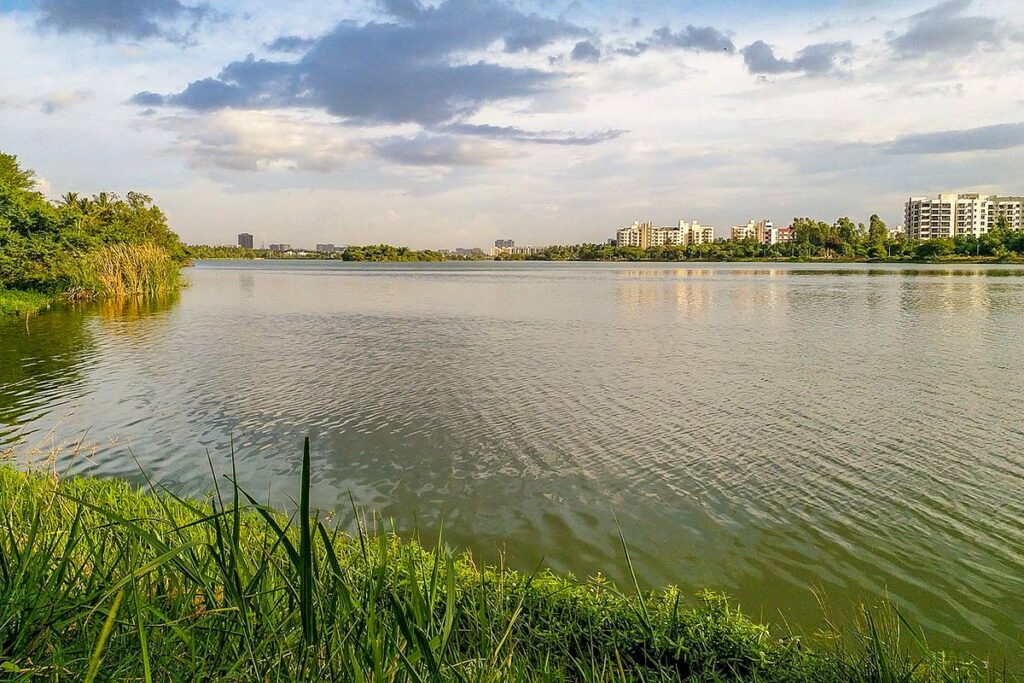
Bengaluru is once again grappling with a deepening water shortage, bringing into focus persistent gaps in urban water management and the growing strain on infrastructure in one of India’s fastest-expanding cities.
The recurring Bengaluru water crisis underscores the urgency of rethinking supply systems, demand management, and long-term sustainability as climate variability and population growth intensify pressure on limited resources.Large sections of the city are facing reduced access to potable water, with dependence on tanker supply rising sharply in several neighbourhoods. This pattern reflects structural imbalances between demand and supply, where rapid urban expansion has outpaced the capacity of existing water infrastructure. Groundwater depletion, delayed infrastructure upgrades, and uneven distribution networks have compounded the challenge, leaving many residents vulnerable during peak summer months.The Bengaluru water crisis is not a standalone seasonal issue but part of a broader systemic concern linked to urban planning practices.Experts note that the city’s reliance on distant water sources, coupled with inadequate rainwater harvesting and wastewater recycling, has limited its ability to build resilience. As rainfall patterns become increasingly unpredictable, cities that fail to diversify water sources face heightened risks of recurring shortages.From an economic standpoint, water scarcity has tangible implications for households and businesses.Rising tanker costs are adding to the cost of living, while commercial establishments are being forced to adjust operations to manage limited supply.
For a city that serves as a major technology and business hub, such disruptions can have ripple effects on productivity and investment sentiment.Urban planners emphasise that addressing the Bengaluru water crisis requires a multi-pronged approach that integrates infrastructure upgrades with behavioural and regulatory changes. Expanding pipeline networks, reducing leakages, and enhancing storage capacity are critical, but must be complemented by stricter enforcement of water conservation measures. Decentralised solutions, including rooftop rainwater harvesting and localised wastewater treatment, are increasingly being seen as essential components of sustainable urban water systems.Climate resilience is central to this conversation. As extreme weather events become more frequent, cities must adopt adaptive strategies that ensure water security under varying conditions. This includes protecting and restoring water bodies, improving groundwater recharge, and integrating blue-green infrastructure into urban planning frameworks.The recurring nature of the Bengaluru water crisis highlights the cost of delayed interventions and fragmented governance.Coordinated action between civic authorities, policymakers, and citizens will be necessary to transition from reactive crisis management to proactive planning.
As the city navigates its current challenges, the focus is likely to shift towards long-term solutions that balance growth with resource sustainability. Ensuring reliable and equitable access to water will remain a defining test of Bengaluru’s ability to evolve into a resilient and liveable urban centre.
Also Read:Chennai Vegetable Prices Surge Amid Summer Supply Crisis
