


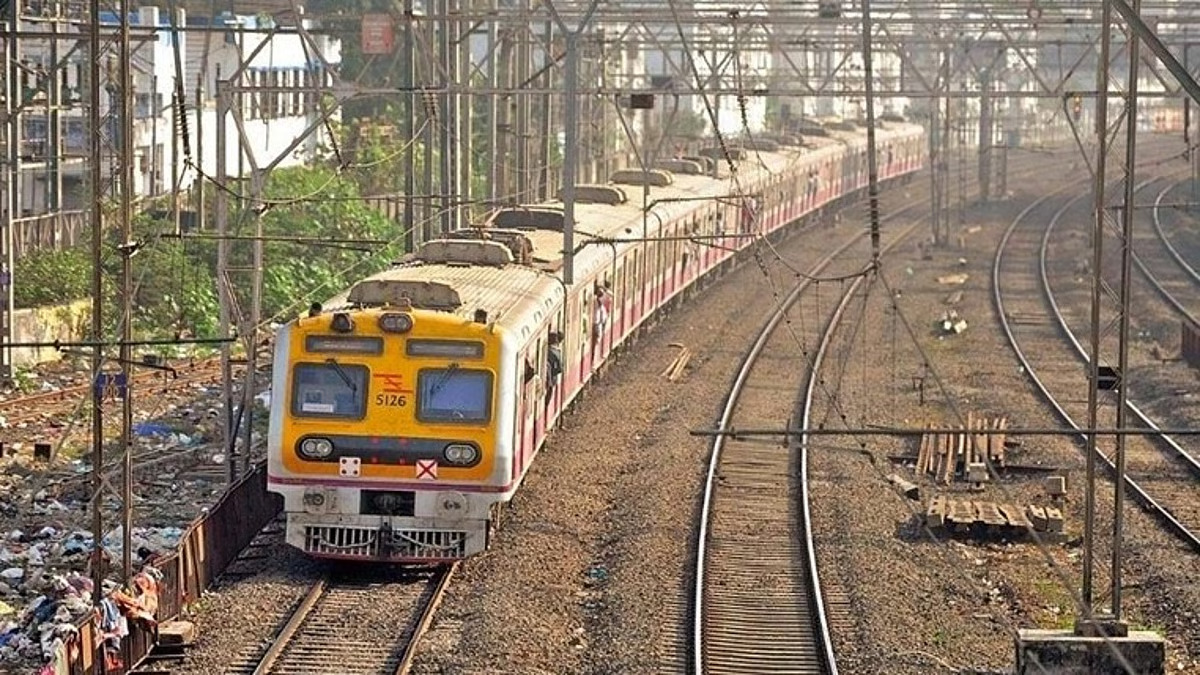
Rail travel between Mumbai and Nagpur is set to become faster after railway authorities removed operational speed restrictions along sections of the route, allowing trains to run at higher speeds across one of Maharashtra’s most important intercity corridors. The move strengthens the efficiency of the Mumbai Nagpur rail corridor, a key link connecting the state’s financial capital with central India’s logistics and industrial hub. Railway officials confirmed that earlier speed controls were imposed due to track geometry limitations and infrastructure conditions along certain stretches. Following technical upgrades and safety inspections, engineers have cleared these segments for higher operational speeds, enabling faster train movement without compromising safety protocols.
The Mumbai Nagpur rail corridor carries significant passenger and freight traffic, serving long-distance trains, regional services, and goods transport linking western ports with inland markets. Removing speed constraints on critical segments is expected to improve timetable reliability and reduce travel durations for several services operating on the route. Infrastructure experts explain that speed restrictions are typically introduced when track alignment, ballast stability, signalling limitations, or maintenance issues require trains to slow down for safety. Once these concerns are addressed through engineering upgrades, railway authorities may lift the restrictions after detailed inspections and trial runs. For passengers travelling between Mumbai and Nagpur, the operational changes could result in noticeable reductions in journey time as trains maintain higher average speeds across longer portions of the corridor. Improved speed also allows railway planners to optimise scheduling and reduce congestion on busy rail networks. Urban mobility analysts note that the Mumbai Nagpur rail corridor plays a strategic role in Maharashtra’s economic geography. Mumbai remains India’s largest commercial centre and port gateway, while Nagpur serves as a major logistics node due to its central location within the country. Strengthening connectivity between these cities supports trade, business travel, and regional mobility. Rail infrastructure upgrades along such corridors also contribute to broader sustainability goals. Compared with road and air travel, rail transport typically produces lower emissions per passenger kilometre, making faster and more efficient train networks a key component of low-carbon mobility strategies. Industry observers say removing speed restrictions often reflects sustained investments in track modernisation, including rail replacement, strengthening of embankments, and improved signalling technology. These improvements help increase operational capacity while maintaining strict safety standards. As Indian Railways continues modernising its network, targeted interventions such as these are becoming an important strategy for improving service performance without the need for entirely new corridors. By upgrading existing infrastructure, the rail system can handle growing demand while maintaining cost efficiency.
Officials say the Mumbai Nagpur rail corridor will continue to undergo regular monitoring and maintenance to ensure that the upgraded speeds remain safe and sustainable over time. Additional signalling upgrades and operational refinements may further enhance efficiency across the route. For a rapidly developing region, faster rail connectivity between Mumbai and Nagpur could strengthen economic integration while encouraging more travellers to shift toward rail-based transport — supporting both mobility efficiency and environmental sustainability.
ALSO READ – Mumbai Nagpur Rail Speed Boost To Cut Travel Time
Mumbai Nagpur Rail Corridor Sees Speed Curbs Removed
