


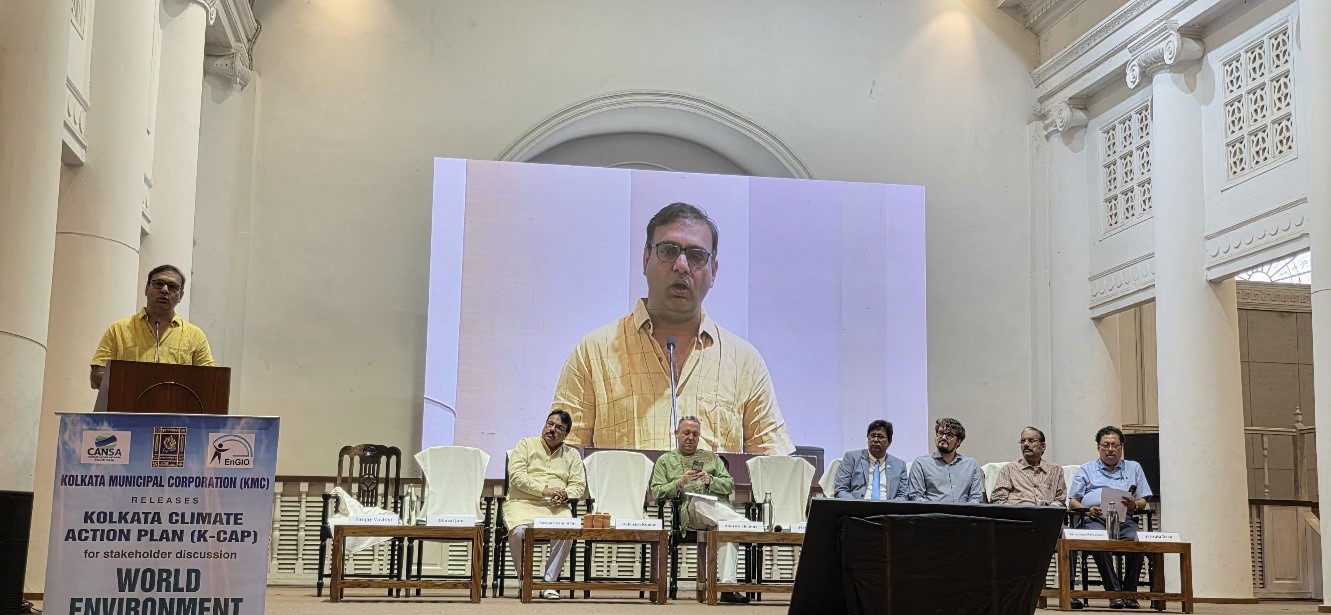
Environmental concerns in Kolkata continue to receive limited attention within mainstream political discourse, raising questions about how urban sustainability is being prioritised in one of India’s most densely populated cities.
As the city faces increasing climate risks, the relative absence of green issues from political agendas highlights a gap between long-term urban challenges and immediate governance priorities.The current Kolkata environmental priorities reflect a broader trend where infrastructure, employment and civic services dominate policy discussions, often overshadowing sustainability concerns. While these issues remain critical, urban experts argue that environmental planning is intrinsically linked to them, influencing everything from public health to economic resilience.Kolkata’s vulnerability to climate-related risks—including flooding, heat stress and declining air quality—makes the need for integrated environmental strategies particularly urgent. The city’s geography, combined with ageing infrastructure and high population density, amplifies the impact of extreme weather events. Despite this, analysts note that environmental considerations are often treated as secondary rather than foundational to urban planning.From a governance perspective, the limited focus on Kolkata environmental priorities may affect the pace and scale of policy interventions.Measures such as strengthening drainage systems, expanding green cover and improving waste management require sustained political commitment and funding.Without consistent emphasis, implementation can remain fragmented and reactive rather than proactive.Urban planners also highlight the economic implications of sidelining sustainability.
Environmental degradation can lead to increased costs for infrastructure maintenance, healthcare and disaster management. Conversely, investing in green infrastructure—such as urban forests, water bodies and sustainable transport—can generate long-term economic benefits by enhancing resilience and reducing operational costs.The issue is further complicated by competing demands on public resources. In rapidly growing cities, balancing immediate service delivery with long-term sustainability goals is a persistent challenge. However, experts argue that integrating environmental considerations into all aspects of planning, rather than treating them as separate priorities, can help address this tension.There are also social dimensions to consider.Environmental issues disproportionately affect vulnerable populations, particularly those living in informal settlements or low-lying areas.Ensuring that sustainability initiatives are inclusive and equitable is therefore essential for building resilient communities.The limited emphasis on Kolkata environmental priorities also underscores the role of citizen engagement and civil society in shaping urban agendas. Community-led initiatives and advocacy efforts can help bring attention to issues such as air quality, waste management and climate resilience, influencing policy direction over time.
As Kolkata continues to evolve, aligning political priorities with environmental realities will be critical. Strengthening the integration of sustainability into governance frameworks can support more resilient infrastructure, healthier living conditions and balanced urban growth. The challenge ahead lies in translating awareness into actionable policy, ensuring that environmental concerns become a central component of the city’s development trajectory.
Also Read:Kolkata Weather Outlook Shows Uneven Rainfall Patterns
