


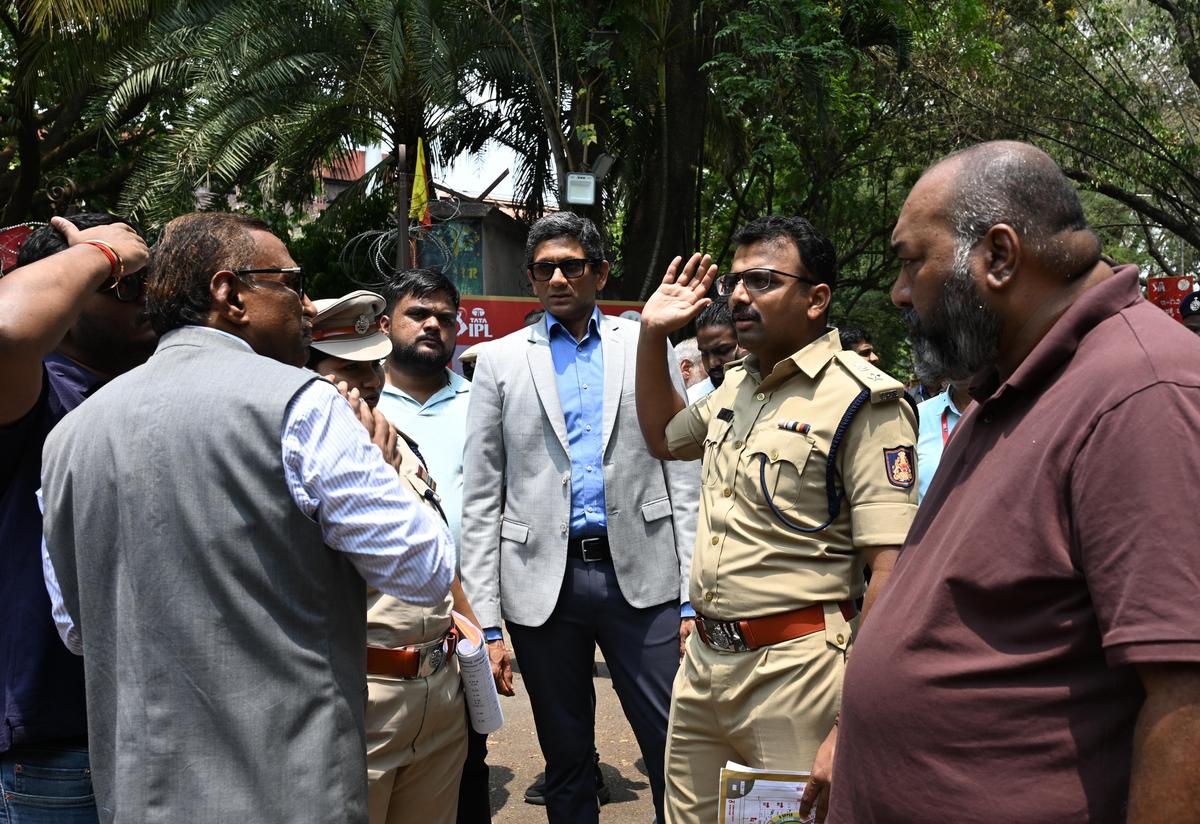
Bengaluru authorities have intensified surveillance and emergency preparedness systems across key public venues ahead of the upcoming cricket season, signalling a broader shift towards integrated urban event management in high-density cities.
The move comes as large-scale sporting events continue to test the capacity of civic infrastructure, crowd management, and public safety systems in rapidly expanding metropolitan areas.Officials overseeing city operations indicate that upgraded protocols now include enhanced monitoring networks, coordinated response mechanisms, and improved on-ground deployment strategies. These measures aim to manage not just crowd safety within stadiums, but also the surrounding urban environment, including transport corridors, public spaces, and commercial zones that experience spillover activity during major events.The emphasis on Bengaluru IPL safety measures reflects a growing recognition that urban resilience extends beyond traditional infrastructure. Large gatherings can strain mobility systems, emergency services, and law enforcement capacity, making pre-emptive planning essential. Urban planners note that cities hosting frequent mass events must adopt a systems-based approach, where data, technology, and inter-agency coordination play a central role.Transport management is expected to be a key focus area. Traffic diversions, last-mile connectivity, and pedestrian movement planning are being integrated into the safety framework to minimise disruptions. Experts suggest that such measures, when executed effectively, can reduce congestion-related emissions and improve commuter experience—an important consideration for cities seeking to balance economic activity with environmental goals.Beyond immediate event management, the upgrades also highlight the increasing role of digital infrastructure in urban governance.
Surveillance systems, real-time monitoring tools, and communication networks are being leveraged to improve situational awareness and response times. While these technologies enhance operational efficiency, urban policy experts emphasise the need for transparent governance and data protection frameworks to maintain public trust.The economic implications are equally significant. Sporting events contribute to local economies by driving demand for hospitality, retail, and transport services. Ensuring safe and seamless experiences can enhance the city’s reputation as a destination for events and investment. Conversely, gaps in safety or coordination can have reputational and financial consequences, particularly in competitive urban markets.From a social perspective, inclusive safety planning is gaining importance. Authorities are increasingly considering the needs of diverse groups, including women, elderly citizens, and persons with disabilities, when designing crowd management and emergency response strategies. This aligns with broader efforts to make urban spaces more accessible and people-centric.The implementation of Bengaluru IPL safety measures may also serve as a template for managing other large gatherings, from cultural festivals to public demonstrations. Experts argue that institutionalising these practices can help cities respond more effectively to both planned events and unexpected disruptions.
As Bengaluru prepares for the influx of spectators, the effectiveness of these systems will be closely observed. The outcome could influence how Indian cities approach the intersection of urban planning, public safety, and economic activity in an era of increasing scale and complexity.
Also Read:Bengaluru Civic Budgets Face Revenue Challenges Ahead
