


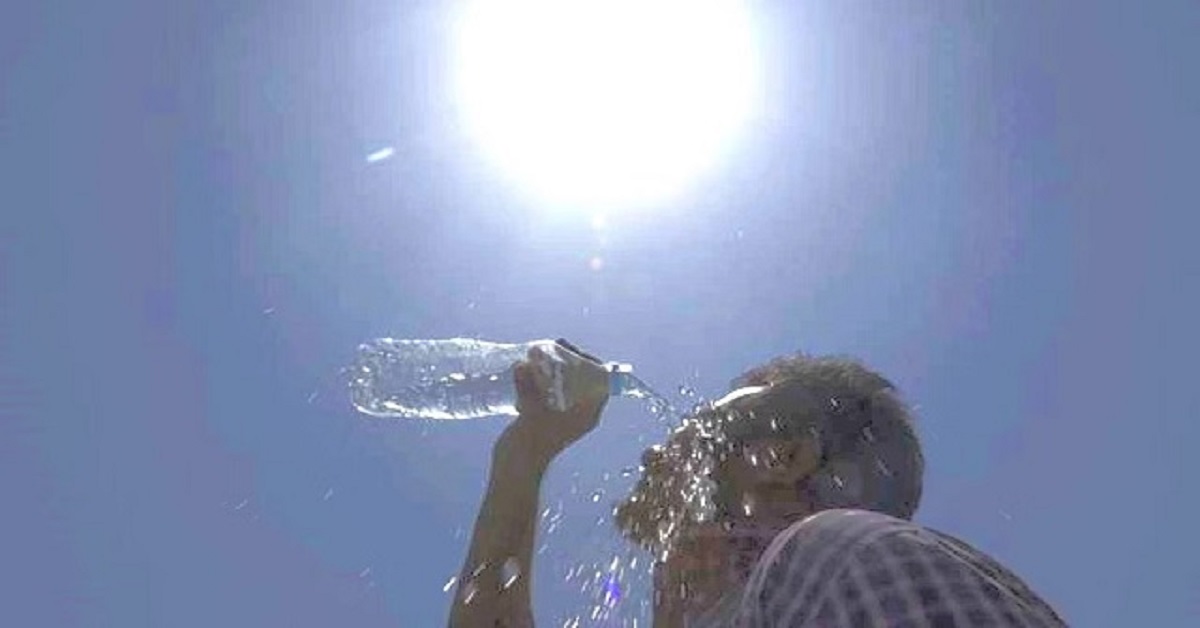
A brief spell of light rainfall and cloud cover has brought temporary relief from rising temperatures in Indore, offering a short pause before the onset of more intense summer heat. While the drop in temperature has been modest, the shift highlights increasingly unpredictable weather patterns in central India during transitional seasons. Meteorological observations indicate that scattered rainfall and overcast conditions helped lower daytime temperatures marginally, improving outdoor comfort levels in the city. However, forecasts suggest that the relief is likely to be short-lived, with temperatures expected to climb again in the coming days as typical summer conditions return.
The Indore weather shift reflects a broader trend of climate variability, where unseasonal or irregular weather events are becoming more frequent. Urban climate experts note that such fluctuations, even when minor, are indicative of changing atmospheric patterns influenced by global warming and regional climatic shifts. For cities like Indore, these variations have practical implications for urban planning and public health. Sudden changes in temperature and humidity can affect energy demand, particularly for cooling, as well as water consumption patterns. Short periods of relief may temporarily reduce strain on infrastructure, but they do not significantly alter the overall trajectory of rising summer temperatures. The Indore weather conditions also underline the importance of climate-responsive urban design. Heat-resilient infrastructure, including green spaces, reflective surfaces, and improved ventilation in buildings, can help cities better manage temperature fluctuations. Without such measures, even minor weather changes can have amplified effects in densely built environments. From a public health perspective, fluctuating weather can impact vulnerable populations, particularly those exposed to outdoor conditions or living in areas with limited access to cooling and water. Authorities often need to balance short-term advisories with longer-term preparedness strategies as seasonal transitions become less predictable. Urban planners emphasise that while rainfall events provide temporary cooling, they do not address underlying challenges such as heat island effects and water scarcity. In fact, sporadic rainfall without adequate storage and recharge systems can result in lost opportunities for strengthening urban water resilience. The episode also highlights the interconnected nature of urban systems. Weather changes influence not only daily comfort but also sectors such as construction, transport, and local commerce. Businesses and city services must adapt to these shifts, particularly as variability becomes more pronounced.
Looking ahead, the return of higher temperatures is expected to place renewed pressure on water supply and energy systems. The brief cooling phase serves as a reminder that cities must prepare for both extremes — short-term fluctuations and prolonged heat conditions. As Indore continues to expand, integrating climate resilience into urban planning will be essential. Managing the impacts of changing weather patterns will require coordinated efforts across infrastructure, governance, and community awareness to ensure that the city remains adaptable in the face of evolving environmental conditions.
ALSO READ – Nagpur Water Crisis Protest Highlights Supply Quality Concerns
Indore Weather Shift Brings Brief Relief From Rising Heat
