


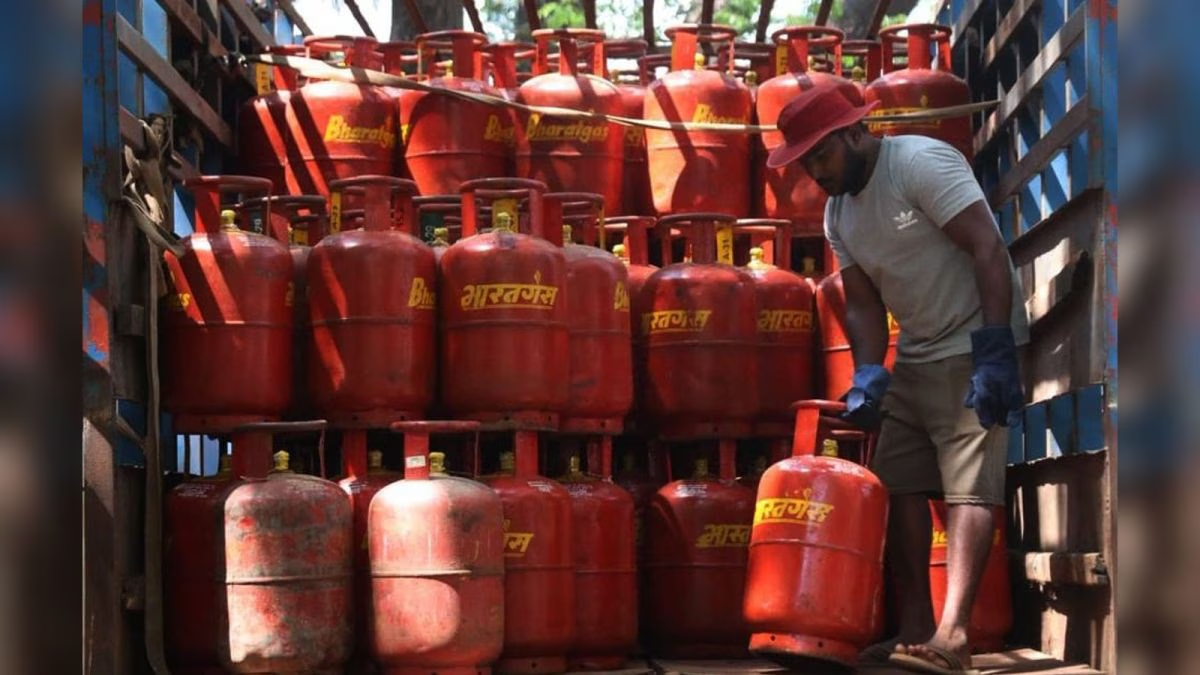
Nagpur’s hospitality sector is grappling with a sharp increase in operating costs as disruptions in LPG supply push up fuel expenses, placing pressure on restaurants, hotels, and catering businesses. The rise in cooking gas costs is forcing establishments to reassess pricing strategies, operational efficiency, and service models in an already competitive urban market. Industry stakeholders indicate that the LPG crisis has led to a significant escalation in daily expenses, particularly for kitchens that rely heavily on gas for large-scale food preparation. For many businesses, fuel constitutes a substantial portion of operational costs, and sudden price or supply fluctuations can directly affect profitability.
The impact is being felt across the hospitality value chain. Smaller establishments and independent operators, which often operate on thinner margins, are particularly vulnerable to such shocks. Larger hotels, while better equipped to absorb short-term increases, are also facing pressure to maintain service standards without significantly raising prices for customers. Urban economists note that the situation reflects a broader challenge in city economies — the dependence of service sectors on stable and affordable energy supplies. Disruptions in essential inputs like LPG can quickly translate into higher consumer prices, reduced service availability, or cost-cutting measures that affect quality and employment. The Nagpur hospitality sector is also closely linked to the city’s economic ecosystem, including tourism, business travel, and local consumption. Rising operational costs could lead to higher menu prices or reduced offerings, potentially affecting demand and overall economic activity in the sector. From a sustainability standpoint, the crisis highlights the need for diversified energy solutions in urban commercial establishments. Reliance on a single fuel source increases vulnerability to supply disruptions. Experts suggest exploring alternatives such as electric or hybrid kitchen systems, which, if supported by reliable power infrastructure, could provide greater resilience over time. There are also implications for urban inflation. As hospitality businesses adjust to higher costs, price increases may be passed on to consumers, contributing to a rise in the cost of living. This can have a cascading effect, particularly in cities where dining out and food services form a significant part of daily consumption patterns. Officials are working to stabilise LPG supply, but the timeline for normalisation remains uncertain. In the interim, businesses are adopting short-term measures such as optimising fuel usage, renegotiating supplier contracts, and adjusting menus to manage costs.
The situation underscores the importance of robust urban energy systems that can support both households and commercial sectors. Ensuring reliable and affordable access to essential fuels is critical not only for business continuity but also for maintaining economic stability in growing cities. As Nagpur continues to expand its service economy, the current LPG crisis serves as a reminder that infrastructure resilience must extend beyond transport and utilities to include the everyday inputs that sustain urban life and livelihoods.
ALSO READ – Nagpur Renewable Energy Policy Impacts Urban Consumers
Nagpur hospitality sector hit by LPG cost surge
