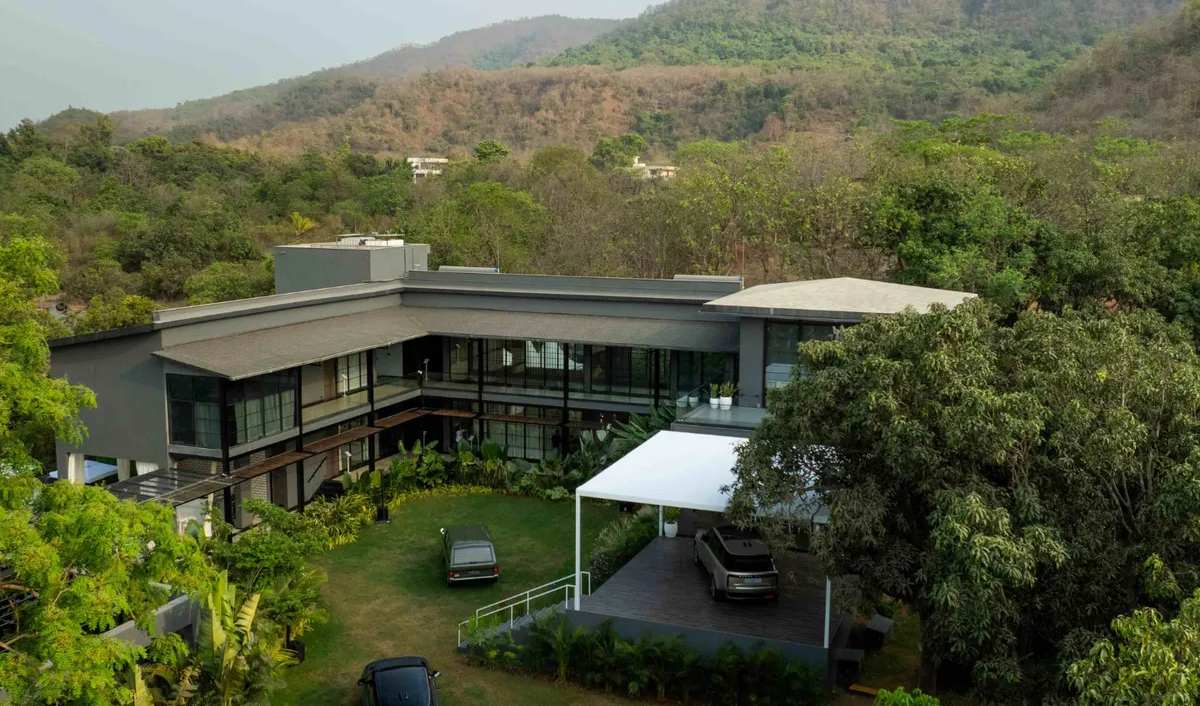
Goa’s position as India’s most sought-after coastal property market is facing fresh competitive pressure, as emerging destinations along the Konkan belt begin to attract investor and developer attention. While Goa coastal real estate continues to command premium pricing and strong demand, improving connectivity and lower entry costs in neighbouring regions are prompting a reassessment of long-term growth dynamics.
For over two decades, Goa has remained the benchmark for second homes, holiday rentals, and tourism-led real estate investment. Its established hospitality ecosystem, international visibility, and relatively mature infrastructure have enabled consistent price appreciation. However, rising land costs and increasing regulatory scrutiny have also made entry into Goa coastal real estate more expensive, particularly for mid-segment buyers. Market observers note that this pricing gap is now creating opportunities for alternative coastal markets within driving distance of Mumbai and Pune. Enhanced road networks, new expressway corridors, and improved regional access are gradually expanding the catchment for weekend and leisure-driven property demand. As a result, some buyers are exploring destinations that offer similar natural settings at lower price points.
That said, Goa coastal real estate retains several structural advantages. The state benefits from a well-developed tourism economy, established social infrastructure, and a track record of planned urban expansion in key areas. These factors continue to support both end-user demand and rental yields, particularly in prime micro-markets. Urban planners highlight that Goa’s future growth will depend on how it balances development with environmental sustainability. Coastal ecosystems in the state are already under pressure from tourism, construction activity, and climate-related risks such as sea-level rise and coastal erosion. Strengthening regulatory enforcement and investing in resilient infrastructure will be critical to sustaining long-term value in Goa coastal real estate.
At the same time, emerging competition from less-developed coastal regions underscores a broader shift in buyer behaviour. Investors are increasingly factoring in not just current returns, but also future accessibility, infrastructure pipelines, and environmental quality. In this context, newer destinations may offer early-stage growth potential, albeit with higher execution and regulatory risks. Hospitality expansion patterns also reflect this evolving landscape. While Goa continues to attract premium hotel investments, the gradual spread of branded developments into neighbouring coastal districts indicates a diversification of tourism flows. This could, over time, redistribute demand across multiple destinations rather than concentrating it within a single state.
For Goa, the challenge is not immediate displacement but long-term positioning. As alternative markets mature, maintaining competitiveness will require a sharper focus on sustainable planning, infrastructure upgrades, and preservation of ecological assets that underpin the state’s appeal.
The trajectory of Goa coastal real estate will likely remain strong in the near term, supported by its established market base. However, the rise of nearby coastal regions signals a more competitive future, where pricing, accessibility, and sustainability will collectively shape investor decisions and urban development outcomes.
Goa Property Market Sees Pressure From Konkan