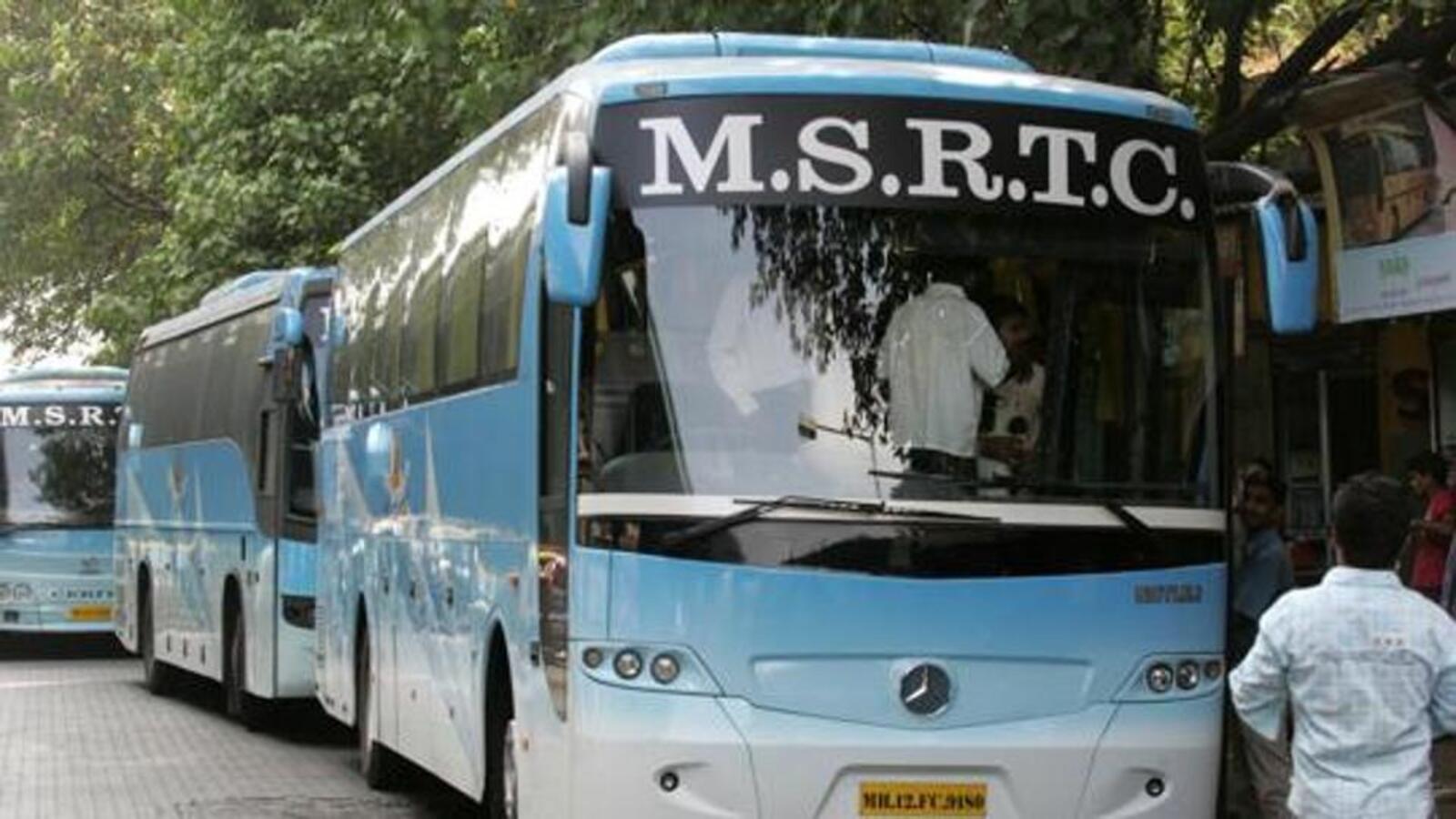
MSRTC Diesel Reform Cuts Costs For Public Transport
A remote tribal hamlet in Gadchiroli has received its first-ever public transport connection nearly eight decades after Independence, with a service by the Maharashtra State Road Transport Corporation (MSRTC) marking a turning point in last-mile connectivity for one of India’s most historically isolated regions.
The new MSRTC bus service now links Tumarkothi with nearby centres such as Bhamragad and Aheri, integrating the hamlet into the formal transport network. For decades, the settlement remained cut off due to dense forests, poor road access, and security challenges, limiting mobility and access to essential services.The launch of the MSRTC route follows sustained infrastructure efforts in the region, including road construction and improved administrative outreach. These interventions have gradually made it possible to extend public transport into areas that were previously inaccessible, both geographically and institutionally.
For local residents, the impact is immediate. The village and surrounding habitations, home to roughly 500 people, have long depended on walking or informal transport to reach markets, schools, and healthcare facilities. The introduction of a regular MSRTC service is expected to significantly reduce travel time and improve reliability of access.From a regional planning perspective, the development underscores the role of transport connectivity in enabling inclusive growth. In remote districts like Gadchiroli, mobility infrastructure is not just about movement—it is a critical link to education, healthcare, and livelihood opportunities. The presence of a state-run service also enhances administrative reach and service delivery.
Experts in rural and urban development note that such interventions can help bridge longstanding disparities between core urban areas and peripheral regions. By connecting isolated settlements to larger economic and service networks, public transport acts as a catalyst for integration and local development.The expansion of MSRTC operations into difficult terrains also reflects a broader policy focus on strengthening state-led mobility systems. Public transport remains the most accessible and affordable option for low-density regions, particularly where private mobility solutions are limited or unviable.
However, sustaining operations on such routes presents challenges. Low passenger volumes, difficult terrain, and higher operational costs require continued institutional support. Ensuring reliability and safety will be key to building trust and encouraging regular use among residents.Beyond its functional role, the arrival of the bus carries symbolic weight. For the community, it represents a step towards inclusion in mainstream development processes and improved quality of life. It also signals a shift in how infrastructure is being extended into regions once defined by isolation.
As India continues to focus on last-mile connectivity, the Gadchiroli experience highlights the transformative potential of targeted transport interventions. The priority now will be to ensure that such connectivity is sustained and complemented by parallel investments in social and economic infrastructure.