A large-scale public gathering in Mumbai’s Dadar area for Gudi Padwa celebrations has led authorities to impose extensive traffic restrictions, highlighting the growing need for event-responsive urban mobility planning in dense city zones.The traffic advisory, issued for March 19, covers key roads surrounding Shivaji Park, where a major cultural and political gathering is expected to draw significant crowds. Restrictions are in force from early afternoon until midnight, a period during which vehicular movement in the area is likely to remain heavily regulated.
Several arterial roads in Dadar have been designated as no-parking zones, including stretches of Swatantryaveer Savarkar Road, Keluskar Road (North and South), MB Raut Marg, Pandurang Naik Marg, Dadasaheb Rege Marg, and NC Kelkar Marg. These routes form a critical part of the neighbourhood’s circulation network, connecting residential areas with commercial and transit hubs.In addition to parking restrictions, traffic diversions have been put in place to manage congestion. Vehicles approaching the area are being redirected through alternate corridors such as SK Bole Road, Gokhale Road, and LJ Road, depending on direction of travel. The measures aim to maintain traffic flow while accommodating the surge in pedestrian and vehicular movement associated with the event.Authorities have also identified designated drop-off and parking zones for attendees arriving from across the Mumbai Metropolitan Region. These include locations in Matunga, Mahim, and other nearby areas, intended to reduce pressure on roads immediately surrounding the venue.
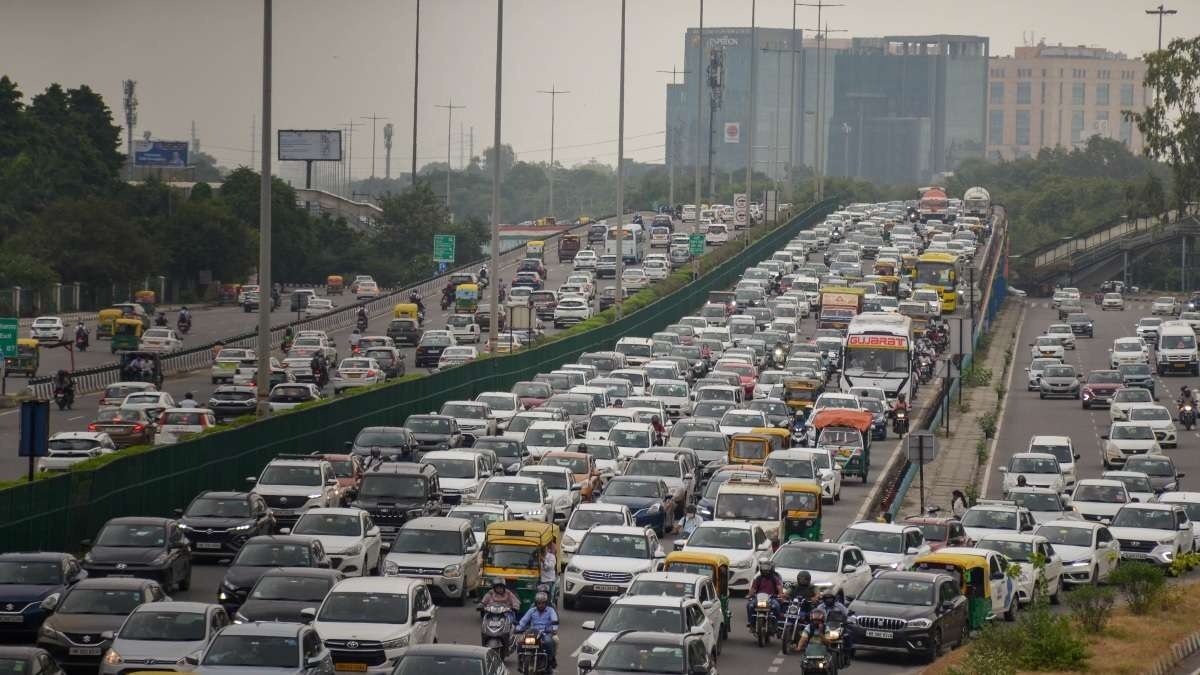
The scale of the advisory reflects the intensity of demand placed on Mumbai’s road infrastructure during large public events. With participants expected to travel via both the Western and Eastern Express Highways, traffic volumes are likely to increase significantly, particularly in the central suburbs. Urban mobility experts note that such episodic disruptions are becoming more frequent as cities host large cultural, political, and religious gatherings within dense urban cores. Managing these events requires not only real-time traffic control but also longer-term planning strategies that integrate event management into urban transport systems.For residents and daily commuters, the advisory underscores the importance of adaptive travel behaviour. Authorities have urged citizens to use public transport, plan journeys in advance, and avoid affected routes where possible to minimise delays.
From a broader urban development perspective, the situation highlights the need for more flexible and resilient transport systems. As cities like Mumbai continue to grow, balancing routine mobility with periodic large-scale events will be critical to maintaining efficiency and reducing congestion-related disruptions.The current traffic curbs around Dadar serve as a reminder that infrastructure planning must increasingly account for dynamic urban usage patterns—where mobility is influenced not only by daily commuting needs but also by cultural and civic gatherings.
Looking ahead, integrating smart traffic management systems and decentralised event spaces could help reduce pressure on key urban nodes, ensuring smoother movement even during peak activity periods.