Mumbai Residents Raise Construction Pollution Concerns
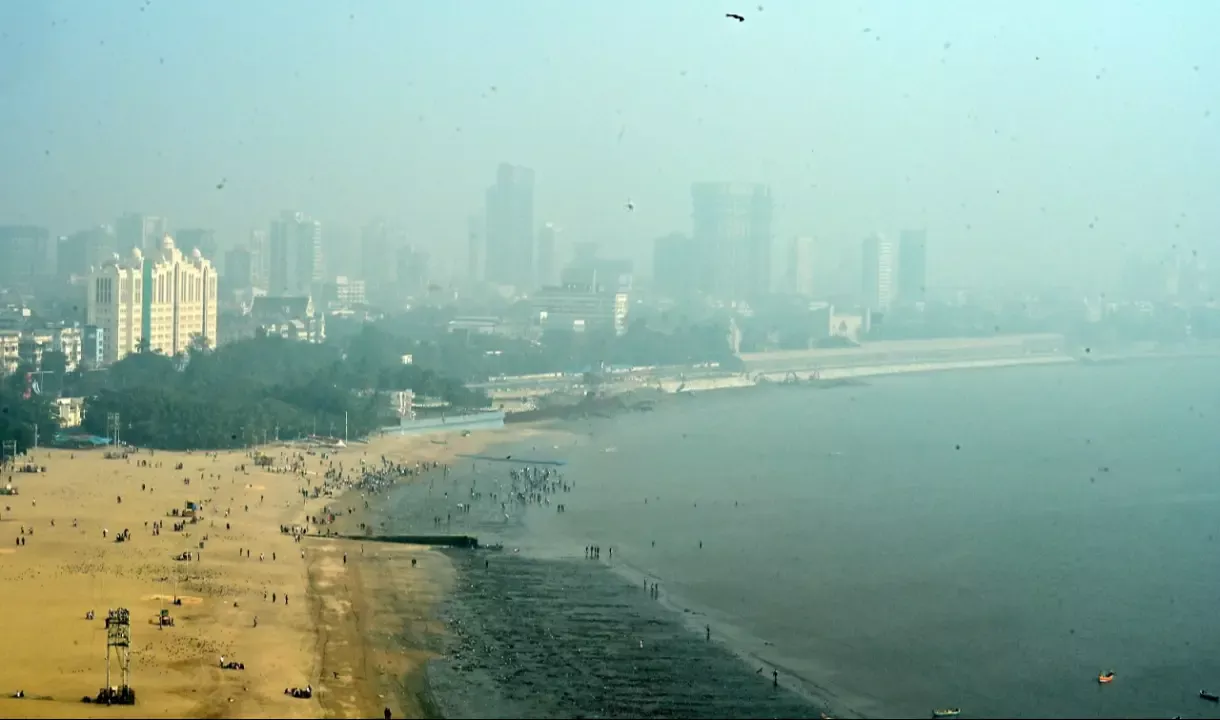
Citizen groups from several neighbourhoods in Mumbai’s western suburbs have raised concerns about dust and noise pollution from building projects, prompting a meeting with city officials to discuss enforcement and mitigation measures. The discussions highlight increasing pressure on urban authorities to balance rapid redevelopment with environmental safeguards in one of India’s most densely built cities.
Representatives of resident associations from areas including Santacruz, Juhu and Bandra recently met Mumbai’s mayor to highlight the health and quality-of-life impact of ongoing construction activity. Residents said that dust emissions, early-morning work schedules and heavy construction traffic have become persistent concerns in residential districts experiencing intensive redevelopment. Many of these neighbourhoods are witnessing a wave of real estate projects as ageing housing stock is replaced by taller residential buildings. While redevelopment is a critical component of Mumbai’s housing supply and urban renewal, local communities say the pace of construction has intensified environmental pressures in already dense areas.
During the meeting, citizen groups urged authorities to strengthen monitoring of construction sites and ensure stricter adherence to dust-control guidelines. Measures discussed included regular water spraying at sites, covering debris and transport vehicles, and limiting activities that generate excessive dust during peak hours in residential zones. Urban governance specialists say construction-related dust has become a significant contributor to particulate pollution in rapidly expanding Indian cities. As redevelopment accelerates in metropolitan regions like Mumbai, building sites can release large amounts of fine particulate matter through excavation, demolition and material transport.
Environmental experts also emphasise that unmanaged construction activity affects public health, particularly for children, elderly residents and outdoor workers. Prolonged exposure to dust and noise pollution can lead to respiratory issues and reduced urban liveability, prompting growing civic engagement around environmental monitoring.The issue is particularly visible in Mumbai, where redevelopment projects are reshaping neighbourhood skylines and adding thousands of new housing units. With limited land availability, much of the city’s growth occurs through vertical construction and rebuilding of older structures. This transformation has intensified the need for stricter environmental compliance at construction sites.
The civic administration acknowledged the concerns raised by resident groups and indicated that inspections and enforcement could be strengthened to ensure compliance with existing regulations governing construction practices. These rules typically require developers to implement dust-suppression systems, maintain protective barriers around work sites and manage construction debris responsibly.Urban planners note that managing construction pollution is becoming central to sustainable city development. Integrating environmental safeguards into redevelopment projects can help ensure that the drive for new housing and infrastructure does not compromise air quality and neighbourhood health.
As Mumbai continues to redevelop ageing housing and expand infrastructure, the dialogue between citizen groups and municipal authorities reflects a broader challenge facing rapidly urbanising cities: how to deliver growth while maintaining environmental accountability and liveable urban neighbourhoods.