Maharashtra Expressways Show Contrasting Road Safety Trends
Two of Maharashtra’s most important high-speed corridors—the Mumbai–Nagpur Samruddhi Expressway and the Mumbai–Pune Expressway—are showing sharply different road safety trends, with accident fatalities rising on the newer corridor even as the older route records improvements in safety outcomes.
Recent traffic data highlights a worrying increase in crashes and fatalities along the 701-kilometre Samruddhi corridor, which connects Mumbai with Nagpur and passes through several districts across central Maharashtra. Between January and November of the most recent reporting period, authorities recorded around 168 accidents on the highway, including 117 fatal incidents that resulted in 138 deaths.The figures represent a notable rise compared with the same period in the previous year, when the corridor reported 87 fatal crashes leading to 114 deaths. The growing number of severe accidents has raised concerns among traffic authorities and road safety experts about the risks associated with high-speed travel on long, relatively uninterrupted expressways.
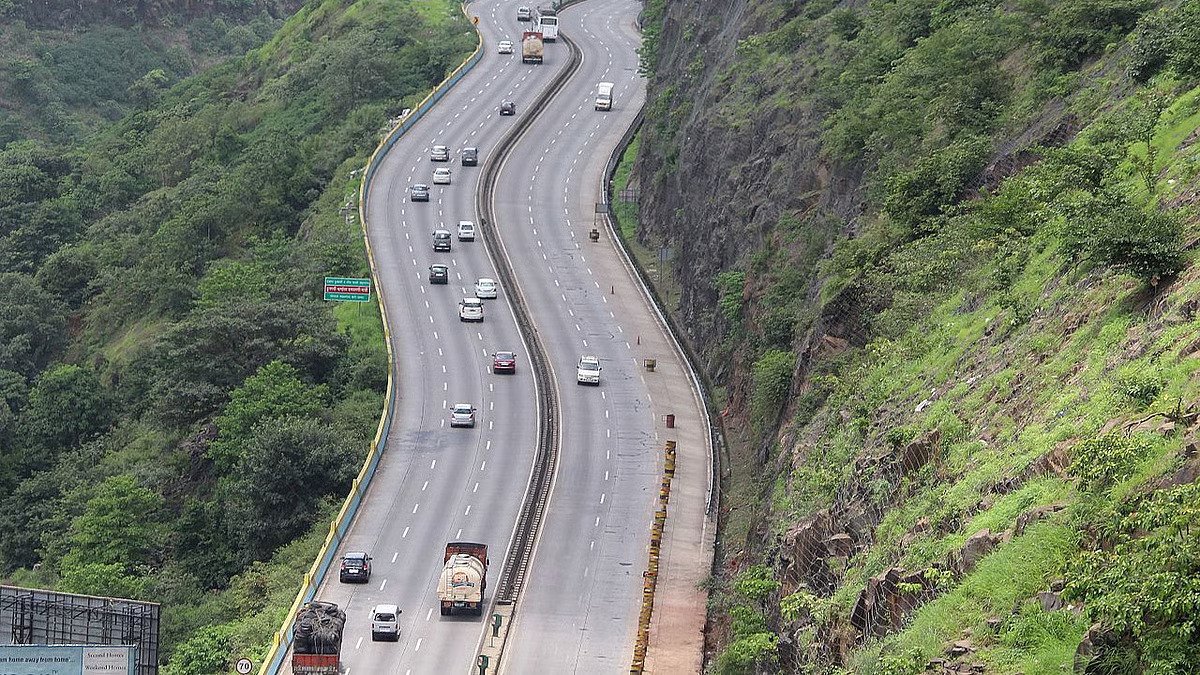
By contrast, the Mumbai Pune Expressway, one of India’s earliest access-controlled highways, has seen a decline in fatal accidents during the same period. While a total of about 172 crashes were recorded on the route, only 54 of them were fatal, resulting in 61 deaths. This marks an improvement from the previous year when 82 people lost their lives in 66 fatal accidents on the corridor.Transport officials attribute the relative improvement on the Mumbai–Pune route to stronger traffic monitoring systems and stricter enforcement measures. Advanced traffic management technologies, including speed monitoring and violation detection, have played a role in curbing dangerous driving behaviour on the corridor.
The Samruddhi Expressway, inaugurated in phases beginning in 2022, was designed as a transformative infrastructure project aimed at boosting connectivity and economic activity between Maharashtra’s eastern and western regions. The expressway significantly reduces travel time between Nagpur and Mumbai and has been envisioned as a backbone for logistics hubs, industrial zones and regional economic development.However, safety experts say high-speed expressways also require rigorous traffic discipline and consistent monitoring to minimise crash risks. Overspeeding, driver fatigue and lane indiscipline are among the most frequently cited factors behind accidents on long-distance highways.
The scale and design of the corridor can sometimes create conditions where drivers maintain sustained high speeds for extended periods, increasing the severity of crashes when they occur. Road safety analysts note that even a small lapse in driver attention on such roads can lead to fatal consequences.In response to rising concerns, state authorities have begun exploring measures to strengthen safety infrastructure along the corridor. These include improved trauma care facilities, enhanced emergency response systems and stricter traffic enforcement mechanisms across the route.Urban and transport planners say the contrasting safety outcomes on the two expressways underline an important lesson: infrastructure expansion must be accompanied by equally strong investments in road safety management, enforcement and driver awareness.
As India continues to build high-speed expressway networks to support economic growth and regional connectivity, ensuring safer mobility will remain a central challenge for policymakers and transport authorities alike.