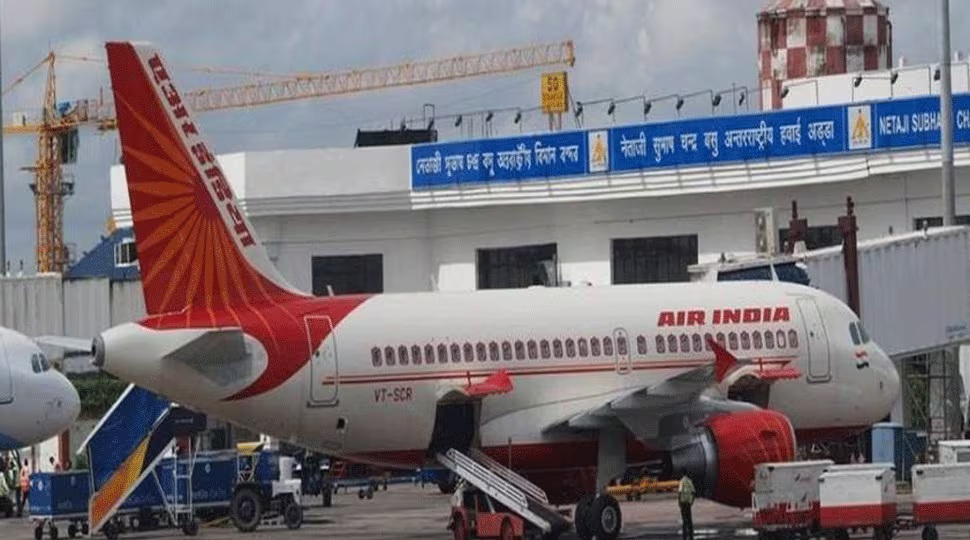
Kolkata Airport Braces For Surge In Helicopter Traffic
As political activity intensifies ahead of the upcoming state elections, aviation authorities in Kolkata are reorganising airport infrastructure to manage a sharp rise in helicopter traffic linked to campaign travel by senior political leaders and party delegations. Officials at the city’s primary aviation gateway say preparations are underway to establish a separate operational zone dedicated to helicopters and chartered aircraft. The move is intended to prevent disruption to commercial flight schedules while accommodating the growing number of non-scheduled movements expected during the election period.
Airport authorities report that helicopter traffic has already increased significantly in recent weeks, driven by campaign tours across districts that are often accessible more efficiently by air than by road. Under normal conditions, the airport handles a limited number of such movements each day, but election periods historically bring a steep increase as political teams shuttle between multiple rally locations. To handle the surge, planners are working to isolate helicopter operations from passenger terminals and commercial aircraft parking areas. Aviation officials say the dedicated space will streamline arrivals and departures for charter flights while reducing congestion within the main airside operations zone. This approach is also expected to enhance safety and coordination between air traffic controllers and ground staff. Industry observers note that election cycles routinely transform key metropolitan airports into logistical hubs for political travel. Campaign schedules often involve multiple stops across large states in a single day, making helicopters and small charter aircraft critical tools for rapid movement. However, the resulting helicopter traffic can strain airport resources if not managed through separate operational planning.
Security considerations are also shaping preparations. Aviation authorities typically coordinate closely with national aviation security agencies, airport security units, and state law-enforcement teams to ensure high-profile passengers can move through controlled areas without affecting public passenger flows. Dedicated lounges and secure screening areas are often used to process such travellers efficiently. Urban planners point out that managing these temporary spikes in air movements reflects a broader challenge for rapidly growing metropolitan airports. As cities expand and political, business, and emergency aviation demands increase, airport infrastructure must adapt to accommodate both scheduled airline operations and specialised air mobility.
Kolkata’s airport has experienced steady growth in passenger and cargo traffic in recent years, making operational efficiency increasingly important. Creating a segregated space for charter aircraft during periods of intense activity could help maintain smooth airport functioning while minimising disruption for regular travellers. Experts suggest that lessons from election-period aviation management may also inform long-term planning. With the gradual rise of regional air connectivity, medical evacuation flights, disaster-response helicopters, and private aviation, airports across India are likely to see more diversified air traffic patterns. How effectively Kolkata manages this surge in helicopter traffic may therefore serve as a practical case study in balancing operational efficiency, security requirements, and the broader evolution of urban aviation infrastructure.