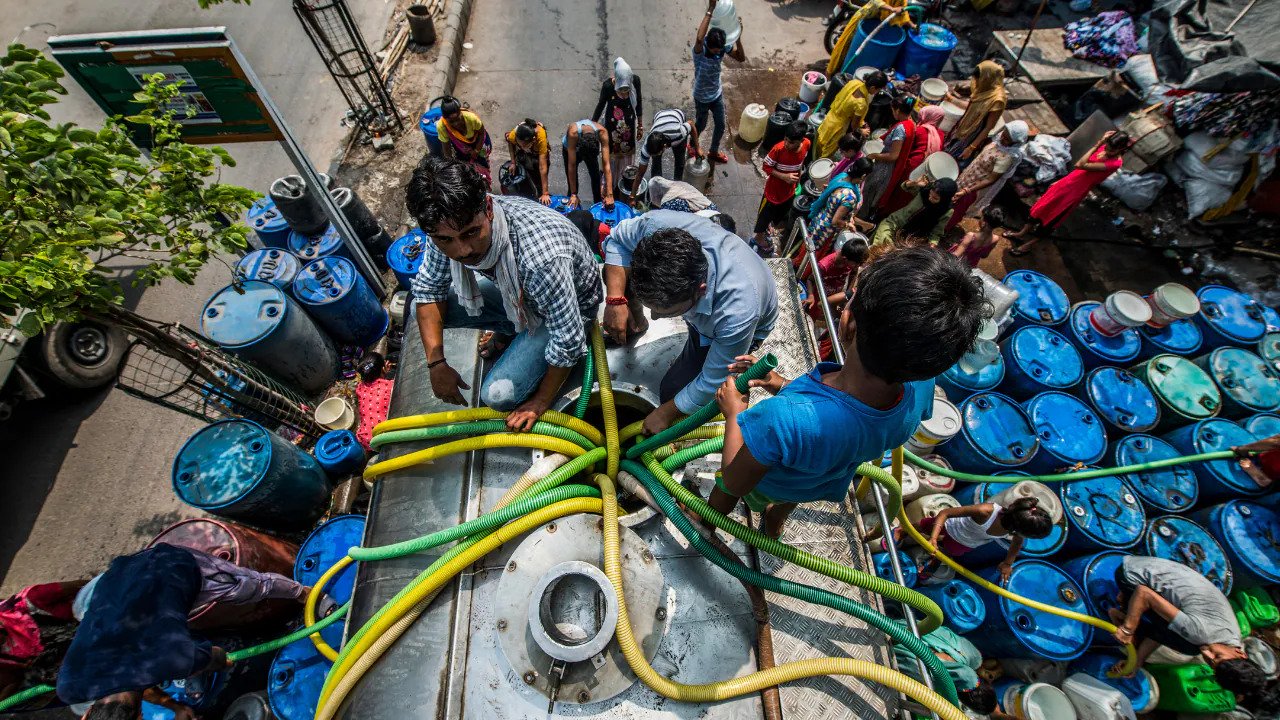
Chennai is confronting mounting pressure on its water resources as rapid, largely unplanned urbanisation erodes traditional storage systems that once safeguarded the city against seasonal variability. Urban planners warn that the disappearance of historic tanks and ponds within and beyond the city limits could intensify water shortages and challenge the resilience of Chennai’s broader river basin.
A recent assessment conducted by a state-backed climate agency in collaboration with a national energy and water think tank mapped the extent of tank loss across the Chennai basin. The study shows that decades of unregulated construction and land-use change have dramatically reduced the city’s capacity to capture and store rainwater. Tanks that historically functioned as natural buffers against drought are vanishing, undermining both groundwater recharge and the availability of surface water during dry spells. Experts emphasise that the issue extends beyond Chennai’s municipal boundaries. Satellite and field data indicate that urbanisation in neighbouring districts is encroaching on large-scale tank networks, which traditionally acted as reservoirs for agricultural and domestic use. The gradual disappearance of these structures threatens the stability of water supply systems, even in years of normal monsoon rainfall, and could force higher dependence on expensive water imports from distant river systems.
From a civic and economic perspective, the loss of water storage affects not just households but also urban infrastructure, real estate development, and industrial activity. Planners note that areas with diminished tank coverage face increased flood risk during heavy rains, while local markets encounter higher water tariffs due to the reliance on treated or transported water. Sustainable urban development models, incorporating the conservation of existing water bodies and integration of new rainwater harvesting structures, are being flagged as essential to maintain long-term water security.
Industry insiders highlight that incorporating water-sensitive planning into new developments is increasingly linked to property value and insurance considerations. Cities that preserve or restore traditional storage systems are better positioned to meet regulatory standards and climate-resilience benchmarks, attracting investment while reducing long-term operational costs. Urban policy experts suggest a multifaceted approach: mapping remaining water bodies, incentivising restoration of lost tanks, enforcing land-use regulations, and integrating decentralised storage solutions within urban design. Such measures could safeguard Chennai’s water resilience, support equitable access to resources, and align new development with zero-carbon, climate-adaptive objectives. Without proactive intervention, the city risks deeper water stress, rising costs, and diminished urban livability in the decades ahead.