Chennai Urban Climate Survey Highlights Heat Risks
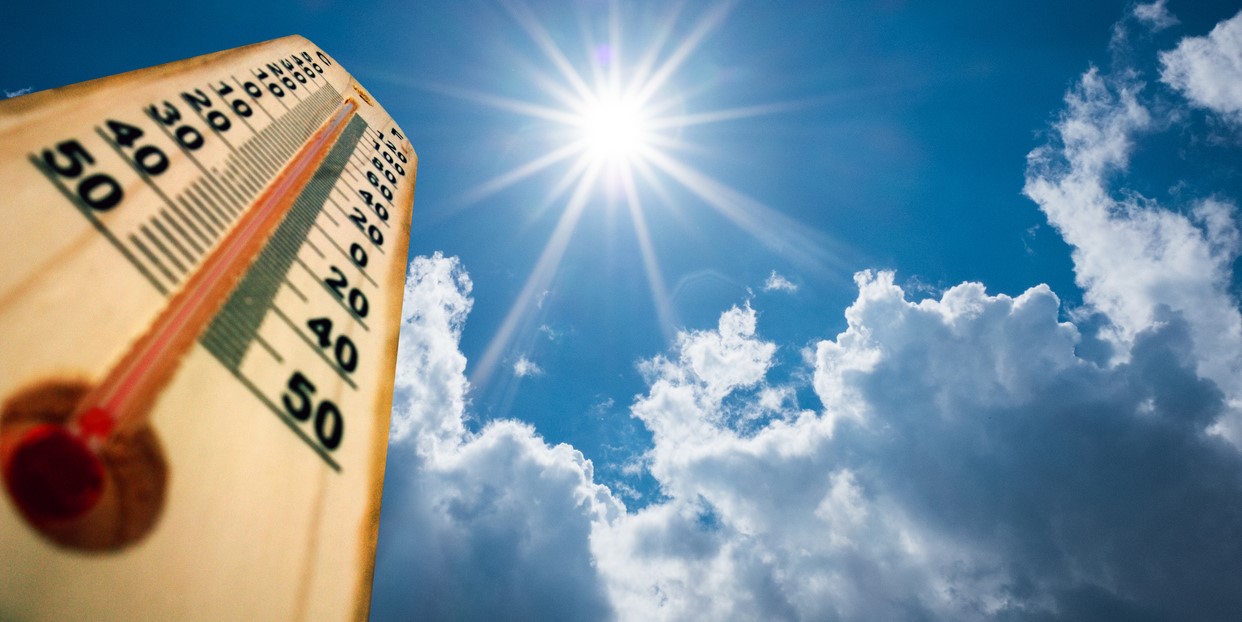
Chennai is confronting intensifying urban climate pressures as a recent city-wide survey reveals extreme heat as the most immediate and widespread hazard affecting residents. Conducted among 2,000 city dwellers, the survey identifies heat stress as the dominant climate-related challenge, ahead of water shortages, flooding, and power interruptions, highlighting the tangible human impact of a warming urban environment.
The findings underline a growing disconnect between scientific narratives of climate change and citizens’ lived experience. Respondents largely associate environmental shifts with worsening air quality, erratic rainfall, and rising temperatures, rather than global climate science frameworks. Urban planners note that this experiential lens shapes public expectations for timely interventions in infrastructure, water supply, and energy systems. Geographically, the survey indicates differentiated vulnerabilities across Chennai’s districts. North Chennai bears the brunt of extreme heat and water scarcity, compounded by industrial activity and ageing infrastructure. Central areas report heat combined with intermittent power outages, while the eastern coastal zone faces recurrent flooding and energy disruptions. Rapidly expanding southern suburbs show mounting water stress as population density rises faster than supply networks. Experts point out that the intersection of heat and water scarcity creates compounded risks, particularly for outdoor workers, informal settlements, and households without reliable piped water.
Economic and civic implications are significant. Prolonged heatwaves can strain electricity demand, depress productivity, and intensify healthcare costs. Water shortages threaten domestic supply and commercial operations, with potential ripple effects on real estate and industrial sectors. Urban analysts argue that city-level adaptation measures, including decentralised water storage, green cover expansion, and resilient cooling infrastructure, are essential to mitigate these cascading effects. Despite awareness of the risks, survey responses highlight gaps in public communication. Over half of residents reported no exposure to climate awareness initiatives in the past six months, even though government departments and scientific bodies remain the most trusted information sources. Analysts suggest that bridging this gap is critical to ensure citizens can engage with adaptive behaviours and demand accountable urban governance.
The survey also indicates strong public support for climate-responsive policies. A significant majority favour restrictions on high-emission vehicles and incentives for electric mobility, reflecting a willingness to adopt sustainable practices even when trade-offs in other municipal priorities are required. Urban resilience experts emphasise that such citizen engagement is key for Chennai’s transition to a climate-resilient, zero-carbon future, with equitable infrastructure expansion across all districts. As Chennai faces consecutive heatwave episodes, these findings offer policymakers evidence-based guidance for prioritising interventions in water management, urban cooling, and energy reliability, while aligning with long-term climate resilience goals.