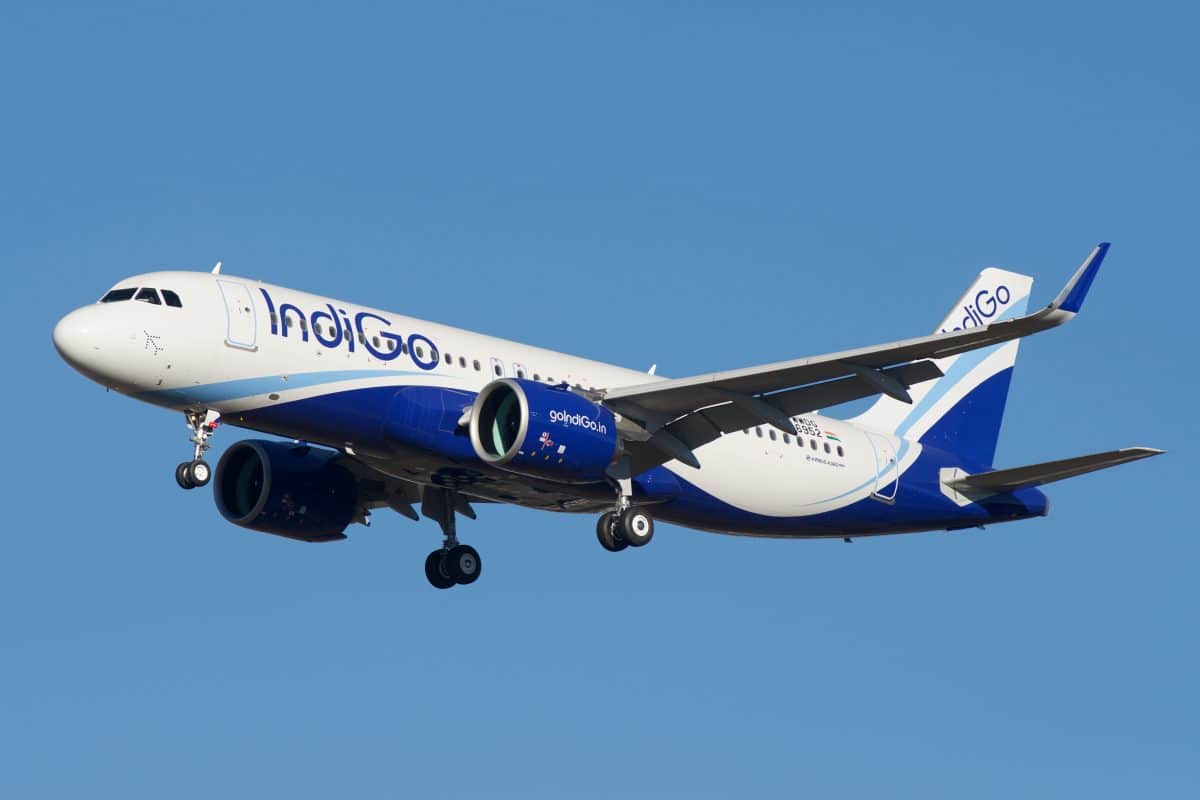
India’s largest carrier by market share has unveiled a new non-stop international connection linking Chennai with Réunion Island, marking a strategic expansion of southern India’s long-haul leisure and business aviation footprint. The thrice-weekly service, scheduled to begin on 29 April 2026 using Airbus A320 aircraft, positions Chennai as a growing gateway to the western Indian Ocean region. With this launch, the airline’s international network deepens while reinforcing Chennai’s status as a critical aviation hub in South India. Industry observers say the Chennai Reunion Island flights represent more than a tourism addition they signal a recalibration of regional air corridors that are increasingly bypassing traditional metro hubs in favour of decentralised connectivity.
Réunion Island, a French overseas department located east of Madagascar, has been cultivating inbound markets across Asia. Direct air access from India reduces travel time significantly and may stimulate demand from high-spending segments including experiential travellers, wedding groups, small business delegations and MICE traffic. Aviation analysts note that such point-to-point routes strengthen economic ties between secondary global regions without routing through congested Gulf hubs. For Chennai, the move adds another layer to its aviation-led urban growth strategy. The city’s airport, which has undergone phased infrastructure upgrades in recent years, is steadily expanding its international footprint. Improved direct connectivity often has multiplier effects across hospitality, logistics, tourism real estate and convention infrastructure sectors closely linked to urban employment and service economies.
Aviation sector experts point out that narrow-body aircraft deployment on medium-haul international sectors reflects operational efficiency and calibrated capacity management. Such aircraft consume less fuel per seat compared to older models, aligning with the broader shift towards lower-emission fleet utilisation. While aviation remains carbon-intensive, route optimisation and newer generation aircraft help moderate environmental impact per passenger kilometre. Urban planners also view the Chennai Reunion Island flights within a wider mobility narrative. As Indian cities pursue diversified global partnerships spanning education, renewable energy collaboration and marine economy initiatives air connectivity becomes foundational infrastructure. Direct links can support knowledge exchange and sustainable tourism frameworks that prioritise ecological conservation, especially in environmentally sensitive island destinations.
The development also reinforces Chennai’s competitive positioning against other southern gateways such as Bengaluru and Hyderabad, which have aggressively expanded international capacity over the past decade. As regional aviation demand continues to rebound and diversify, further route announcements from non-metro global destinations are expected. For cities like Chennai, calibrated connectivity growth could shape not just passenger numbers, but the character of urban economic integration in the decade ahead.