Bengaluru Startups Confront Limited HSR Office Space
Bengaluru’s HSR Layout, long known for its modest startup-friendly spaces, is rapidly emerging as a high-demand micro-market for office rentals, driven by the shortage of quality commercial space across the city. The surge in occupancy and rental rates reflects not just market dynamics but also the broader challenges of equitable and sustainable urban growth in India’s tech capital.
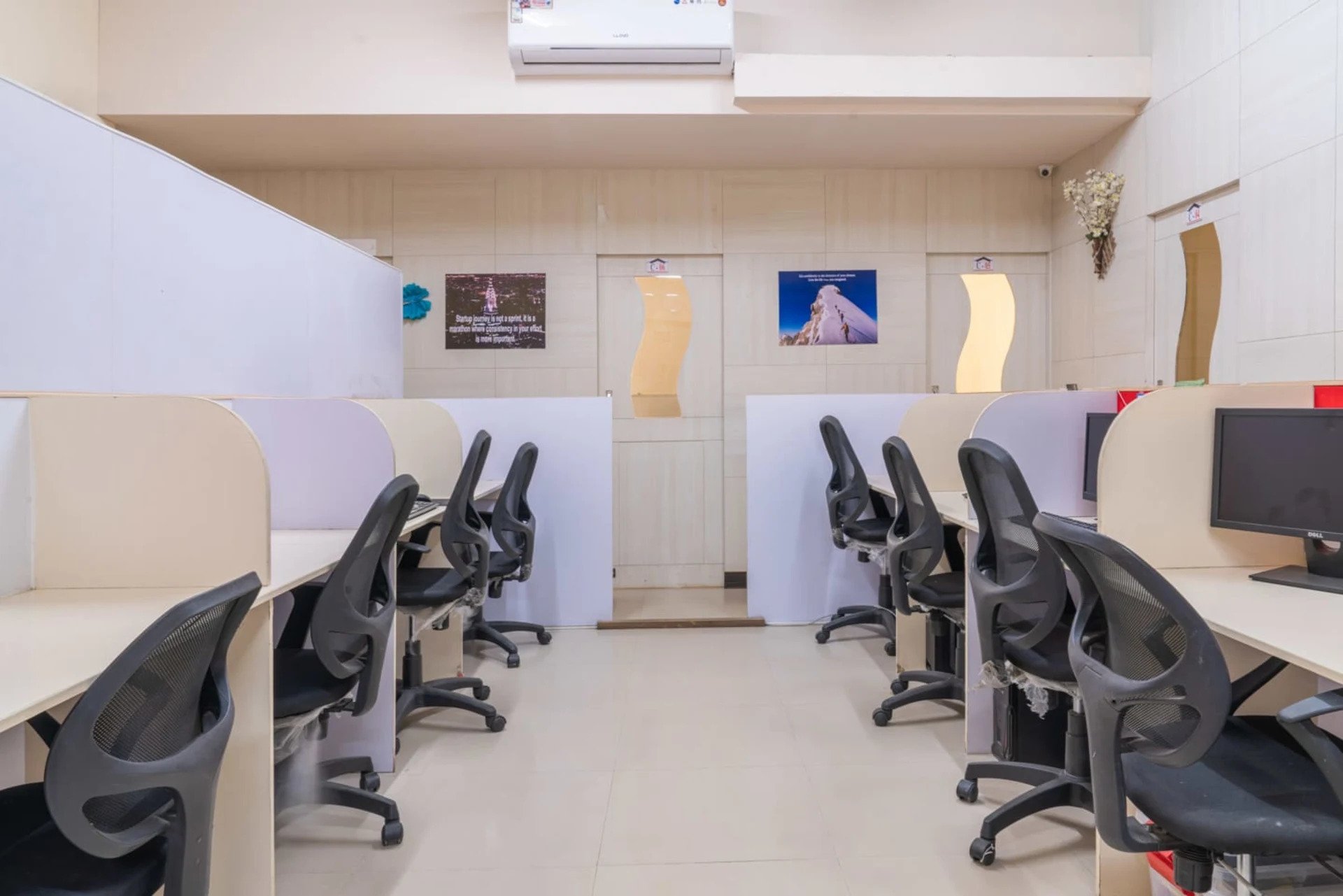
Historically, HSR Layout attracted early-stage companies due to its affordability, flexible office formats, and proximity to a dense pool of engineering talent. Small teams often adapted residential units or cafés into functional workspaces, allowing bootstrapped firms to scale efficiently. Today, the area hosts a growing number of Grade-A offices and flexible co-working setups, a shift underscored by a notable increase in rental values. Industry experts attribute the area’s sustained appeal to its ability to provide contiguous office space a scarce commodity along Bengaluru’s traditional IT corridors like Whitefield and Outer Ring Road, where high rents and fragmented layouts often deter smaller operators. Flex-managed operators have played a significant role in formalising this ecosystem, converting erstwhile informal setups into structured, compliant office environments.
Despite these advantages, HSR Layout now faces a critical supply bottleneck. Tighter municipal regulations on residential-to-commercial conversions and a limited pipeline of new large-format developments mean that companies seeking larger contiguous spaces often need to split operations across multiple buildings or relocate to other business districts. Urban planners caution that without careful zoning and infrastructure upgrades, such concentration could exacerbate traffic congestion, environmental pressure, and inequitable access to urban amenities.
The rise in HSR rental rates also reflects the broader urban trend where commercial micro-markets are shaped by talent density rather than purely land costs. Companies are willing to absorb higher rents to remain within vibrant innovation clusters, creating a feedback loop that drives further commercialisation. This phenomenon illustrates the importance of integrating inclusive city planning with private-sector growth, ensuring that emerging hubs retain affordability while maintaining liveability and climate resilience. Looking ahead, the sustainability of HSR Layout as a startup corridor will depend on balancing supply-demand pressures with forward-looking urban design. Experts suggest leveraging mixed-use development, incentivising green office spaces, and streamlining compliance for adaptive reuse of existing buildings. Such measures could maintain the area’s entrepreneurial energy while supporting zero-carbon, inclusive growth strategies.