Jaipur Walkathon Advocates Safer Streets And Walking
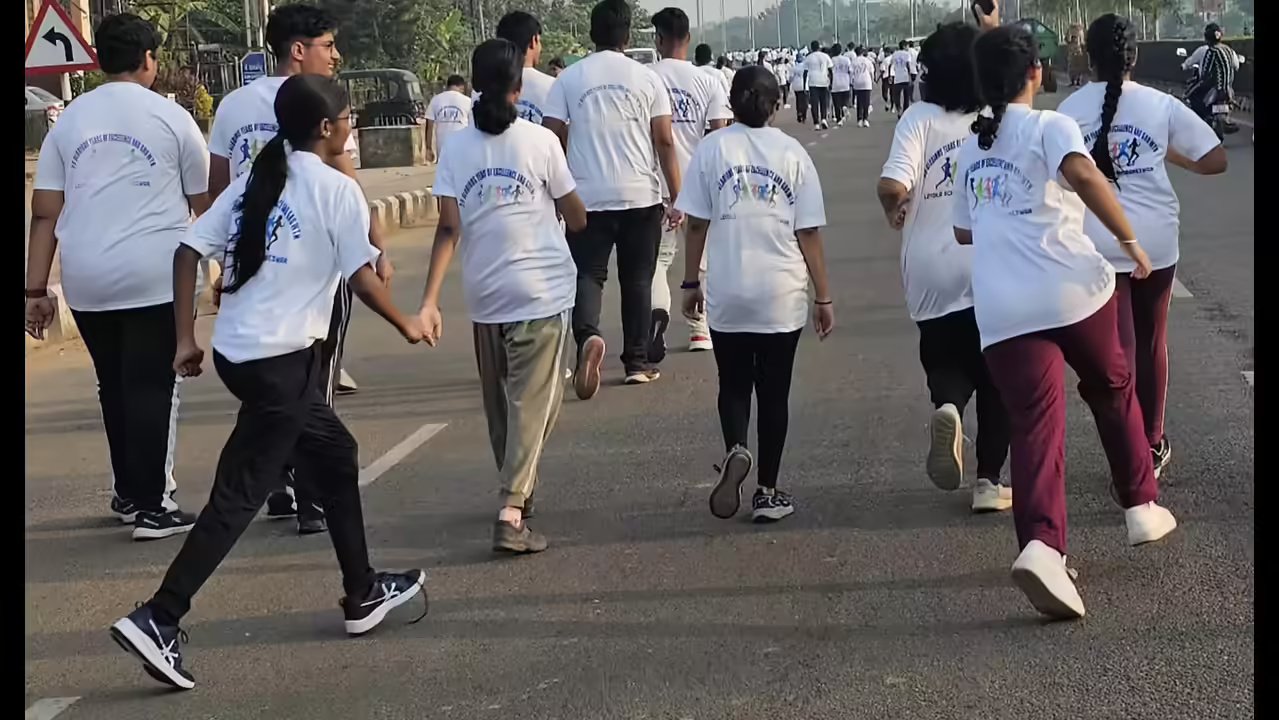
Jaipur — More than 1,000 residents took to the streets this weekend in a spirited walkathon promoting pedestrian safety, highlighting growing public concern over the safety of walkers and the need for better urban mobility infrastructure in one of India’s fastest expanding cities.
The 5-kilometre event, organised by a road safety foundation in partnership with the Rajasthan Police, underscored the vital role of safe footpaths, crossings and street design in supporting inclusive and climate-resilient urban transport. The walk began on Mahal Road and concluded at Akshaya Patra Chauraha, drawing students, police academy trainees and community volunteers to raise awareness under the slogan #StreetsForAll — a call for streets that prioritise pedestrians over vehicular dominance. Officials noted that Jaipur’s growing population, rapid motorisation and evolving travel patterns have placed walkers at rising risk of accidents, pointing to documented incidents over the past decade that include fatal collisions involving pedestrians.
Flagging off the event, the Director General of Police emphasised that pedestrian safety must be treated as a core pillar of road safety policy, not just an awareness initiative. “Traffic planning must ensure safe spaces for everyone — children, elderly residents, and everyday commuters who walk,” senior police representatives told participants. Organisers and civic leaders stressed that regular events are necessary to embed pedestrian safety into public consciousness and policy agendas. Urban planners note that Jaipur’s challenge reflects broader trends in many Indian cities where rapid urban growth has outpaced investments in pedestrian infrastructure. Footpaths, crossings and accessible public spaces are essential to people-centred urban design — not only for
safety but also for equitable access to jobs, education and public services. A thriving pedestrian environment is also linked to lower carbon emissions and healthier communities, aligning with national goals to encourage non-motorised transport and reduce reliance on private vehicles. Despite its historic legacy as a walkable city core in areas like old markets and palace precincts, contemporary Jaipur has seen uneven development of footpaths and safe street crossings — a gap that local resident groups have frequently highlighted. Community advocates say that many arterial roads lack continuous sidewalks, forcing walkers into motorists’ paths and contributing to collision risk, particularly near schools and transit hubs. Effective planning is needed to integrate pedestrian infrastructure within the broader mobility network.
The walkathon also served as a platform for crossing discussions with traffic officials about infrastructure priorities — including better signage, pedestrian islands and dedicated crossings at key bottlenecks. Experts argue that these measures are crucial to supporting modal shifts from private cars to walking and cycling, particularly for short trips, which can ease congestion and improve urban liveability. City authorities have flagged that the insights from public events could be factored into long-term transport planning, including proposals under the emerging Comprehensive Mobility Plan that emphasises non-motorised transport infrastructure alongside mass transit and electric vehicles. Such plans envision expanded footpaths and safer crossing points, particularly in high-footfall zones, aligning policy with community needs.
While Jaipur’s walkathon reflects growing advocacy for safer walking environments, its long-term impact will depend on sustained investment, enforcement of street safety standards and participatory planning that places pedestrians at the centre of urban mobility decisions.