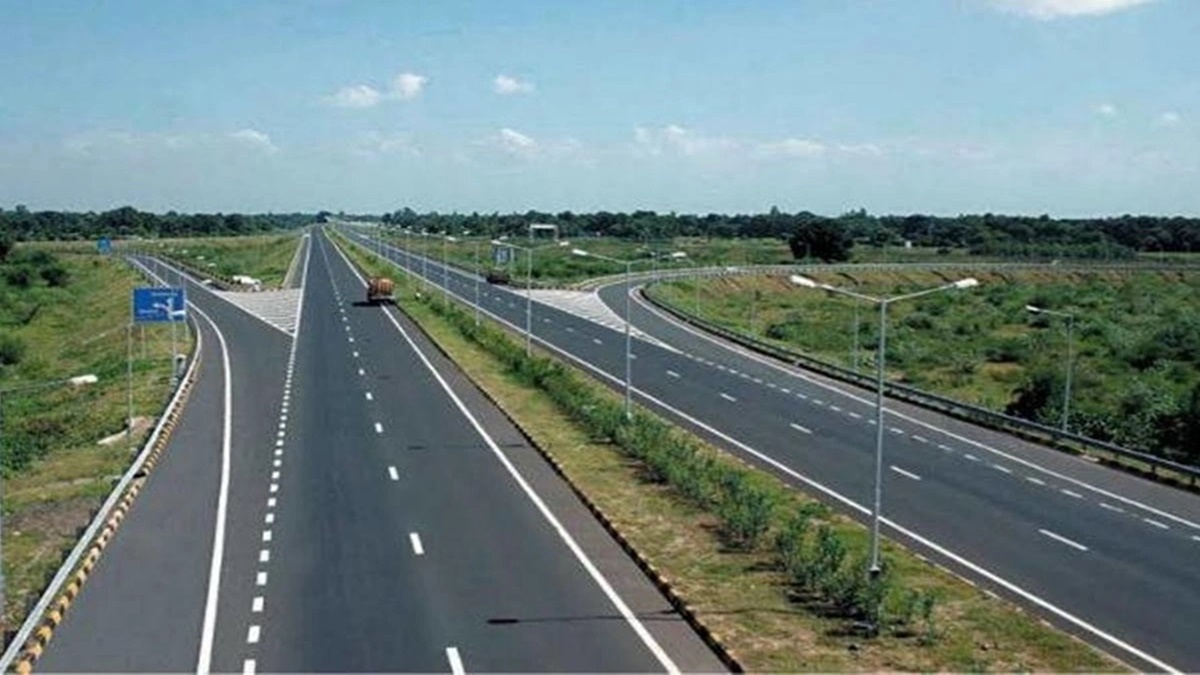
Zaheerabad named priority node on Hyderabad–Nagpur corridor, launching Rs 2,360 cr industrial smart city
Hyderabad’s strategic growth is taking a definitive shape with the Centre officially designating the Zaheerabad Industrial Area (ZIA) as a priority node within the ambitious Hyderabad-Nagpur Industrial Corridor (HNIC). This pivotal announcement, made in the Lok Sabha, underscores a significant commitment to bolstering industrial development in Telangana. The ZIA project, encompassing an activation area of 3,245 acres and a total outlay of ₹2,360 crore, represents a concerted effort to create a world-class industrial hub. The Union government, through the National Industrial Corridor Development and Implementation Trust (NICDIT), is contributing substantially with equity of ₹596 crore and debt of ₹655 crore, signalling a robust public investment in this critical economic artery.
Hyderabad’s Future Forged: Zaheerabad Node Powers Industrial Corridor
Hyderabad, a burgeoning economic powerhouse, is set to further consolidate its position as an industrial hub with the formal recognition of the Zaheerabad Industrial Area (ZIA) as a priority node under the Hyderabad-Nagpur Industrial Corridor (HNIC). This landmark declaration by the Union Minister of State for Commerce & Industry in the Lok Sabha confirms the Centre’s strategic intent to drive industrial growth and connectivity in the region. The ZIA project, located in the Sangareddy district, is slated to encompass an impressive 3,245 acres, with a substantial total project cost estimated at ₹2,360 crore.
The financial architecture of this ambitious undertaking demonstrates a significant commitment from the Union government. A substantial portion of the funding, amounting to ₹596 crore as equity and ₹655 crore towards debt, will be channelled through the National Industrial Corridor Development and Implementation Trust (NICDIT). This robust public investment is designed to catalyse private sector participation and accelerate the development of world-class infrastructure, fostering an environment conducive to industrial growth and job creation, vital for sustainable and equitable urban development.
To ensure the efficient execution of this large-scale project, a Special Purpose Vehicle (SPV) named “NICDIT Zaheerabad Industrial Smart City Ltd” has been formally incorporated. This dedicated entity will spearhead the implementation, with tendering processes for the selection of Project Management for New Cities (PMNC) currently underway. The development of industrial corridors like HNIC is central to India’s National Industrial Corridor Development Programme (NICDP), which aims to establish futuristic industrial cities capable of competing on a global scale, attracting significant investments, and generating widespread employment opportunities. The Zaheerabad node is specifically targeting sectors such as automotive, electrical equipment, food processing, and machinery.
Concurrently, the pressing issue of urban mobility in Hyderabad has also taken centre stage. In a separate but equally critical development, a Member of Parliament has passionately urged the Centre to expedite the approval for the Hyderabad Metro Rail Phase-II project. Citing Hyderabad’s explosive growth and the escalating traffic congestion and pollution levels, the plea in the Lok Sabha highlighted the urgent need for expanded public transportation infrastructure. The current reliance on private vehicles is unsustainable, hindering economic efficiency and compromising the quality of urban life for its citizens.
The proposed Phase-II of the Hyderabad Metro project envisions an expansion spanning 76.4 km across five new corridors, with an estimated total cost of ₹24,269 crore. This significant investment is proposed as a joint venture between the Centre and the state government, with a detailed funding structure outlining contributions from both, supplemented by debt financing and a Public-Private Partnership (PPP) component. While Phase-I of the metro project, covering 69 km at an approximate cost of ₹22,000 crore, has demonstrably improved urban mobility, its expansion is deemed essential to meet the burgeoning transportation demands of this dynamic city. The urgency to approve this phase is underscored by the fact that similar joint venture metro projects have been sanctioned in over 20 smaller cities, raising questions about the delay in Hyderabad’s case, a city crucial to India’s economic fabric. The synergy between robust industrial corridors and efficient urban transit systems is paramount for fostering truly sustainable, zero-net carbon, and gender-neutral cities.