


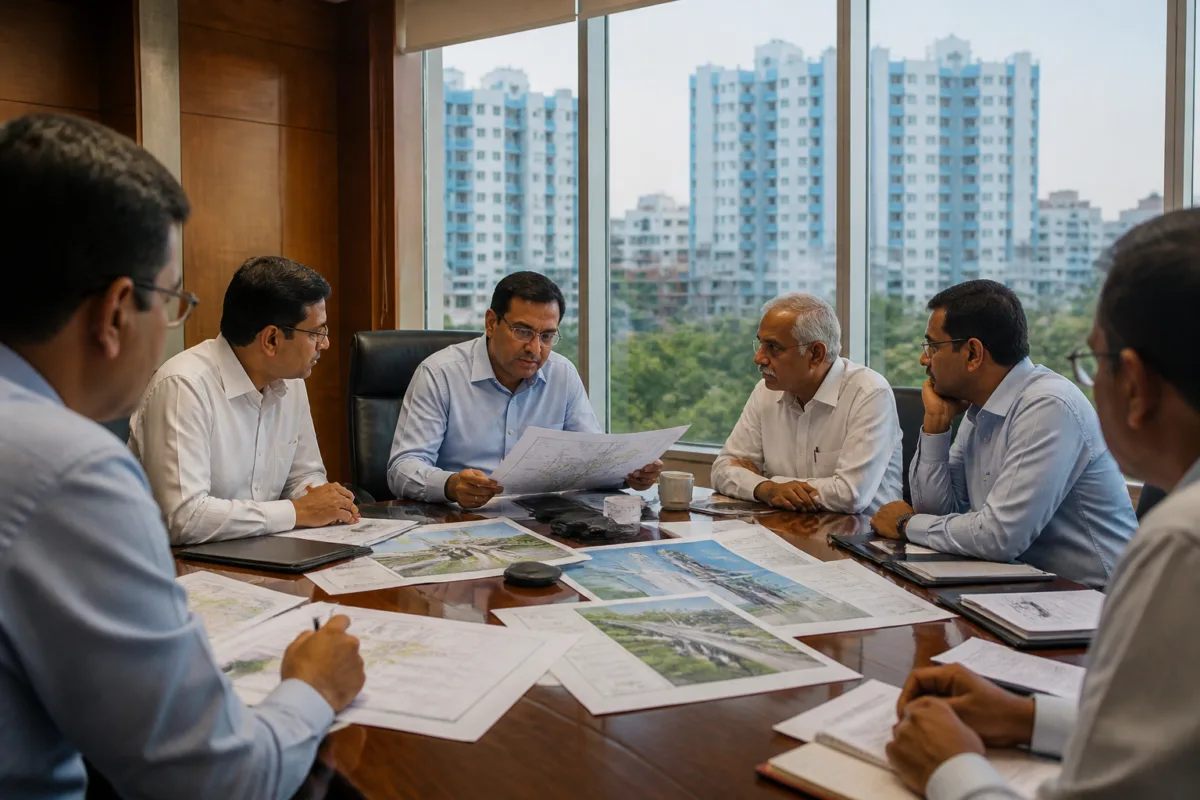
West Bengal has directed secretaries handling central government projects to travel to Delhi at least once a month to resolve approval, funding and technical-clearance hurdles that have slowed implementation, according to a report by Sangbad Pratidin.
The directive from Nabanna requires officials to meet their counterparts in the relevant Union ministries and directly pursue issues affecting projects being implemented through central or joint Centre-state initiatives. Secretaries have also been asked to carry progress reports and monitor projects in Delhi where necessary.
The move is aimed at improving coordination between the West Bengal government and the central government, particularly for projects where approvals, fund allocations or technical permissions remain pending. The report said administrative complications on these fronts had held up several projects, citing views within the state administration.
Under the new arrangement, departments associated with central projects will be expected to maintain regular contact with the relevant ministries. Officials must identify the specific point at which a project is delayed, whether it involves an approval, allocation of funds or a technical clearance, and pursue a resolution through direct discussions.
A senior administrative official quoted in the report said officials could no longer treat the submission of letters or emails as the end of their responsibility. Where required, they would have to speak directly with the concerned officers to address problems affecting implementation.
The directive also places responsibility on the state departments to follow projects through to completion and ensure that their benefits reach residents. The report said the chief minister had instructed officials to work jointly with the Centre on central projects and matters involving central agencies, rather than allowing disputes over responsibility to stall execution.
The approach marks a shift from correspondence-led coordination towards regular in-person engagement between state secretaries and Union ministry officials. For infrastructure and other public projects, such administrative coordination can influence the pace at which approvals, funding decisions and technical permissions move through government systems.
The report did not identify the individual projects covered by the directive, provide a list of pending approvals or specify a deadline for resolving existing bottlenecks. It said the monthly visits would focus on projects already under way in the state and on matters requiring intervention by central ministries.
Officials handling the relevant projects are now expected to maintain regular updates with the concerned ministries and take forward pending issues during their visits to Delhi. The immediate administrative milestone will be the identification and review of project-specific obstacles under the new coordination mechanism.

