


SpaceX is seeking to expand its computing capacity, with Elon Musk saying Google is interested in renting more capacity from the company, according to a Reuters report published on November 29. Musk did not provide further details in a post on X, and SpaceX and Google did not immediately respond to Reuters requests for comment.
The proposed arrangement would add to an existing multi-year cloud services agreement between SpaceX and Google. Under terms announced in June, Google is due to pay SpaceX $920 million monthly from October 2026 through June 2029, according to the report. The computing capacity includes about 110,000 Nvidia graphics processing units, along with central processing units, memory and related components.
The scale of the reported agreements highlights the growing physical infrastructure required to support generative artificial intelligence services. Technology companies are investing heavily in data centres equipped with advanced chips, creating demand for large computing campuses and the associated power, connectivity and building systems.
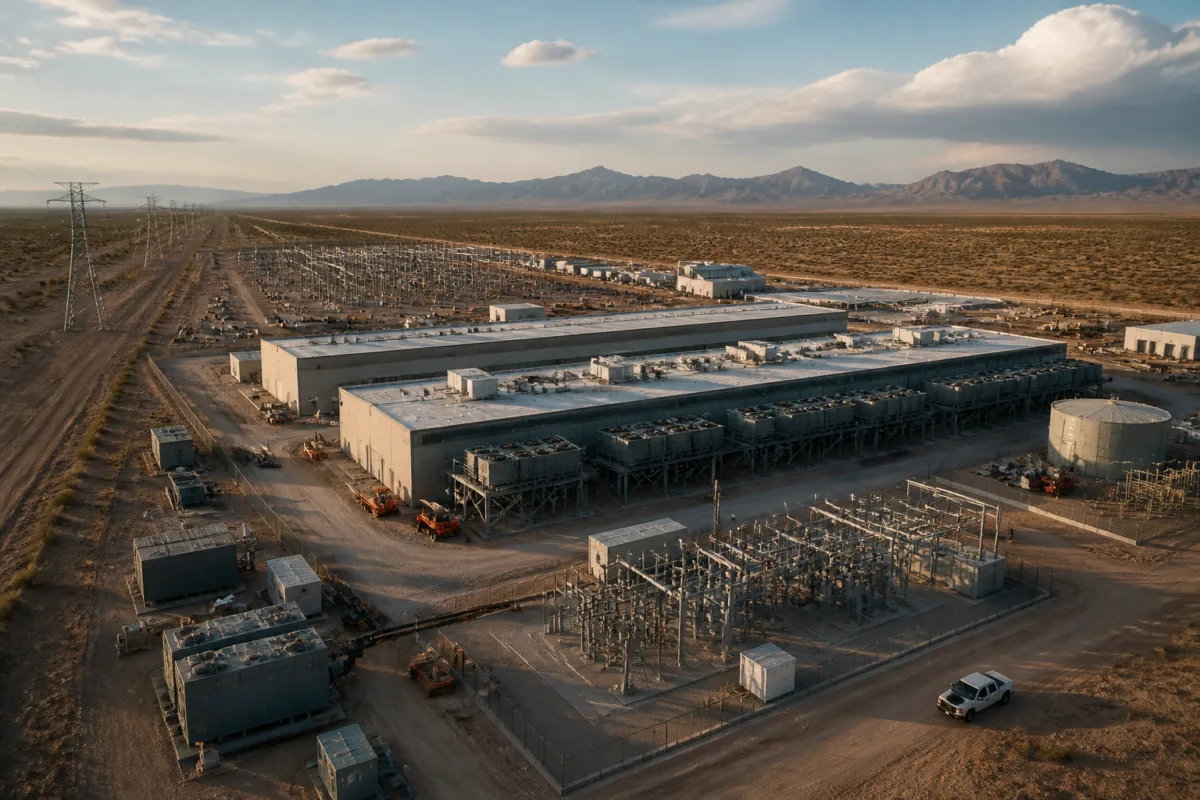
SpaceX already operates a computing hub in the Memphis area and is planning further expansion. The company said this month that it would spend more than $74 billion on a new supercomputer facility at Starbase in Texas’s Rio Grande Valley and a second campus in Cochise County, Arizona.
The company disclosed in a June regulatory filing that its computing-capacity agreements with Google and Anthropic were worth more than $70 billion in aggregate. Anthropic said in May that it had reached a deal to use SpaceX’s computing resources.
For cities and regional authorities, the developments place data-centre infrastructure alongside more established forms of industrial and technology-led development. The available report does not provide details on the campuses’ planning approvals, construction schedules, energy sources, water requirements, workforce needs or local infrastructure commitments. It therefore confirms the scale and direction of SpaceX’s expansion, but not its eventual effects on the surrounding communities.

